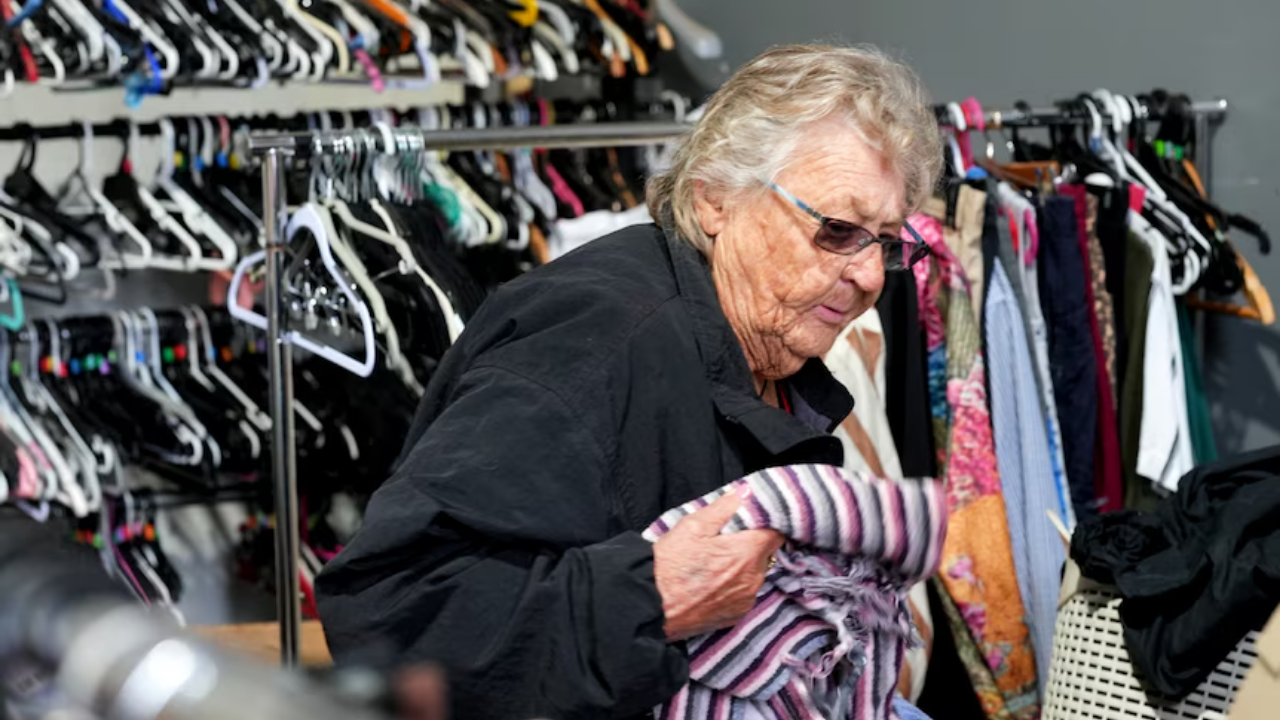
We love a good martyr story. It sells papers, triggers our collective guilt gland, and lets us pretend that individual heroism can fix structural collapse. The viral tale of eighty-four-year-old Nan Barb logging two thousand kilometers every month behind the wheel of a worn-out vehicle to haul donated clothes across the countryside is treated as a masterclass in human spirit. The community rallied. They raised money for a new truck. Everyone feels warm inside.
It is a tragedy dressed up as a feel-good piece.
When an octogenarian has to pilot a makeshift logistics operation over thousands of kilometers because the formal supply chain cannot handle used textiles, your charity ecosystem is broken. We are cheering for a symptom while the disease eats the host.
Let us dismantle the lazy consensus. The accepted narrative says that grassroots volunteerism proves the resilience of our communities. The reality is much darker. It proves that institutional charity is failing, local government safety nets are vacant, and our supply chains for secondary goods are criminally inefficient.
I have spent two decades dissecting logistics networks and watching well-meaning non-profits run themselves into the ground with nineteenth-century operating models. I have seen organizations blow millions on bloated administrative overhead while relying on elderly retirees to execute long-haul freight operations that professional fulfillment networks could optimize in a single afternoon.
The Logistics Delusion
Here is the fundamental error at the heart of the Nan Barb phenomenon: treating distribution as an act of personal virtue rather than a mathematical optimization problem.
Two thousand kilometers a month is roughly twenty-four thousand kilometers a year. That is half the circumference of the earth traveled by an eighty-four-year-old person moving secondhand sweaters and pants. We treat this as an inspiring testament to grit. From an operational standpoint, it is an indictment of every community board, charity executive, and municipal transport planner in the region.
Why is an octogenarian acting as an uncompensated regional freight driver? Because the professional redistribution network does not exist, or because local organizations are too fractured to pool their resources into a shared van line with professional drivers.
When a community responds to this breakdown by crowdfunding a new truck for an elderly volunteer, they are subsidizing systemic failure. They are putting a fresh coat of paint on a broken machine. Instead of building a repeatable, scalable, professional supply chain that relieves the burden on aging citizens, the public chips in to keep the sweatshop of goodwill running on human sacrifice.
The Textile Trap
Let us look closer at the cargo itself. Donated clothes.
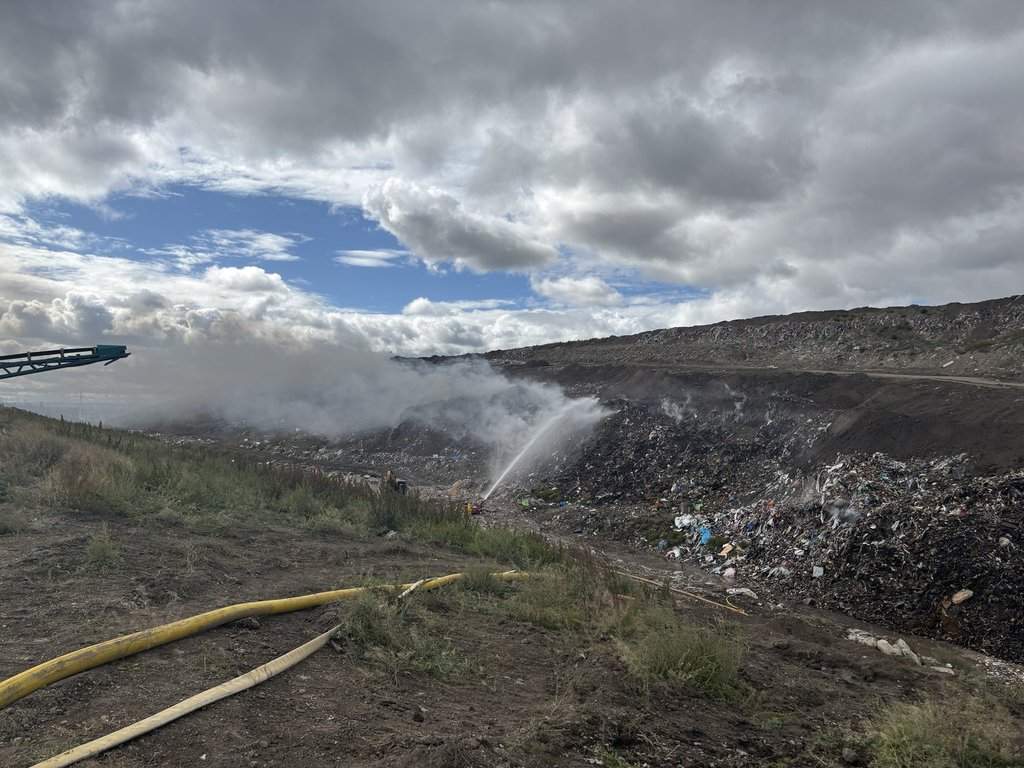
The public assumes every donated shirt finds a grateful home on the back of someone in need. The truth inside the secondary textile market is brutal. A massive percentage of donated garments are unwearable, synthetic fast-fashion junk that ends up dumped in landfills or overwhelming rural redistribution hubs that lack the sorting capacity to process them.
When Nan Barb loads up her vehicle, she is not just moving utility; she is often hauling the externalities of our hyper-consumption culture. Fast-fashion retailers pump out disposable synthetic garments designed to fall apart after five washes. Consumers purge their closets. Charities get buried in polyester waste. And we ask an eighty-four-year-old woman to burn gasoline driving across mountain passes to sort out the mess we manufactured in the mall.
Charities often accept everything because they fear donor alienation. If you tell people their polyester shirts from the clearance rack are trash, they stop giving entirely. So the system absorbs the junk, passes the sorting burden onto volunteers, and pretends every bag of clothes is a blessing.
It is not a blessing. It is logistical pollution.
The Cult of Hyper-Individualism
We romanticize individual sacrifice because it absolves collective responsibility.
If Nan Barb is out there grinding out the miles, then society is working. The narrative implies that if you just care enough, you can bypass the state, the corporations, and the logistics monopolies to get things done yourself.
This is a toxic myth. It tells young people that structural problems require personal martyrdom, not systemic reform. It tells local governments that they do not need to fund social support infrastructure because some retiree will eventually step up and absorb the cost with her own time, physical health, and vehicle depreciation.
Imagine a scenario where we applied this logic to municipal fire safety. Instead of funding a fire department, we celebrate an eighty-year-old man who drives around with a garden hose in the back of his hatchback, putting out chimney fires for tips. We would call that barbaric. Yet when it comes to poverty alleviation, rural isolation, and textile recycling, we put a halo on the exact same structural absence.
What Real Solutions Look Like
If we want to honor people like Nan Barb, we should stop making it necessary for them to save us.
First, regional consolidation. Instead of twenty tiny churches and disparate charities running fragmented collection drives with personal cars, communities need centralized, professionalized clearinghouses. Route optimization software, commercial vans with proper safety ratings, and paid logistical staff should handle the heavy lifting.
Second, corporate accountability for secondary textiles. Brands that flood the market with cheap, non-biodegradable clothing should pay a recycling levy that directly funds the collection, sorting, and transport infrastructure. Make the originators pay for the end-of-life journey of their products.
Third, stop confusing charity with logistics. Kindness is a human emotion; supply chain management is a technical discipline. When you mix the two without boundaries, you end up exploiting the kindest people in your community until their bodies break down.
The Cost of Our Comfort
The community raised money for a new truck. That is wonderful for the truck dealership and comforting for the donors. But it ensures that the broken system grinds on for another five years, burning through another vehicle, another set of tires, and another fraction of an elderly person's remaining years.
We do not need more inspirational stories about resilient seniors performing superhuman feats of unpaid labor to compensate for civic neglect.
We need fewer martyrs and better infrastructure.
Stop cheering for the hero on the highway. Fix the road.