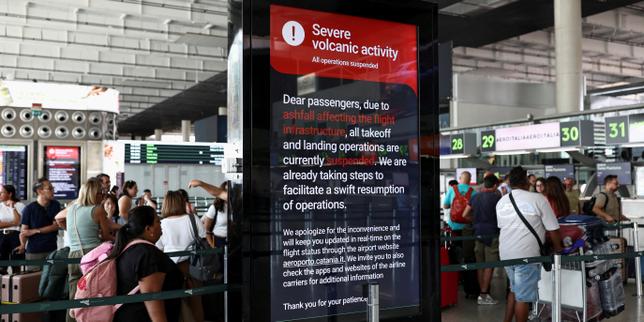
Summer on Nantucket used to mean fog rolling off the Atlantic, expensive lobster rolls, and billionaires quietly hiding behind manicured privet hedges. Locals could actually cross Main Street without dodging a ring light. That quiet equilibrium is dead. The historic Massachusetts island has transformed into an open-air production stage for social media influencers chasing viral views, leaving merchants and permanent residents to deal with the economic fallout of the Nantucket creator crisis.
This is not just about annoying tourists taking up space on cobblestones. This is an economic collision between traditional coastal commerce and attention economy algorithms. The current dynamic on the island exposes how digital platforms dictate physical reality. Entire storefronts now optimize for aesthetic backdrops rather than actual transactions. Meanwhile, locals watch their community get turned into disposable content.
The Economics of the Algorithm
Every business model on Nantucket relies on a short, brutal season. Memorial Day to Labor Day dictates whether a shop survives the brutal winter. Historically, this meant catering to multi-generational wealth that valued discretion above all else.
Enter the modern content creator economy. The math changed overnight. When a lifestyle creator with a million followers posts a geotagged video from a local boutique, the shop experiences a strange phenomenon. Traffic spikes, but revenue does not always follow.
Crowds swarm the doorway, phone cameras out, blocking actual paying customers. They take up space inside the shop, film the merchandise, ask for freebies in exchange for exposure, and leave without buying a single item. Merchants find themselves trapped in a terrible bind. Refuse the creators and face online backlash from armies of digital followers. Embrace them and alienate the quiet spenders who fund the island year-round.
The traditional shopkeeper values a customer who buys three cashmere sweaters without checking the price. The digital creator values a shot of the storefront for a three-second montage set to a trending audio track. These two worldviews cannot occupy the same physical space without friction.
When Content Creation Becomes Harassment
Public spaces on the island have turned hostile. Sidewalks are narrow. Wharves are crowded. When a production crew sets up ring lights and tripods outside a historic bakery during the morning rush, pedestrian traffic halts.
Locals are fighting back, but not always politely. Verbal altercations between permanent residents and out-of-town influencers have spiked over the past two summers. Islanders report having cameras shoved in their faces while walking their dogs or buying groceries. Privacy has vanished.
The platforms reward outrage and spectacle. If a local snaps at a creator for blocking a driveway, that interaction becomes content itself. The creator films the confrontation, frames themselves as the victim of mean islanders, and generates millions of views, turning local frustration into algorithmic fuel.
Merchants carry the physical burden of this digital chaos. Trash cans overflow with single-use coffee cups bought solely for the branded logo. Restrooms get mobbed by people changing outfits for different photo shoots. Store owners now spend money on extra security staff just to keep doorways clear of influencer block parties.
The Erosion of Local Identity
Communities survive through shared norms and mutual respect. When an entire ecosystem bends to accommodate people whose only goal is performing happiness for strangers online, the underlying culture rots.
Long-term residents are cashing out. The housing market, already distorted by hyper-wealthy vacation homeowners, faces a new kind of pressure. Short-term rentals are booked not by families looking for a quiet beach vacation, but by talent agencies housing multiple creators under one roof to pump out daily content loops.
The island is turning into a theme park version of itself. A curated stage set where nothing is authentic, everything is monetized, and the people who actually keep the plumbing running, the boats fueled, and the houses painted are priced out and pushed aside.
Fixing this requires more than complaining on local Facebook groups. Some boutique owners have started banning professional cameras during peak hours. Others implement strict door policies, requiring minimum purchases before anyone can enter the sales floor.
It is a risky strategy in an economy addicted to visibility. But for many on the island, the exposure is no longer worth the price. Nantucket is finding out that when you let the algorithm run your town, you stop owning your home.