When a family heirloom vanishes into the modern municipal waste stream, the odds of recovery sit somewhere between winning the lottery and walking unscathed through a lightning storm. Municipal solid waste processing plants are not designed for archaeology. They are industrial slaughterhouses for refuse, massive facilities engineered to crush, tear, sort, and bury thousands of tons of urban discarded material every single day.
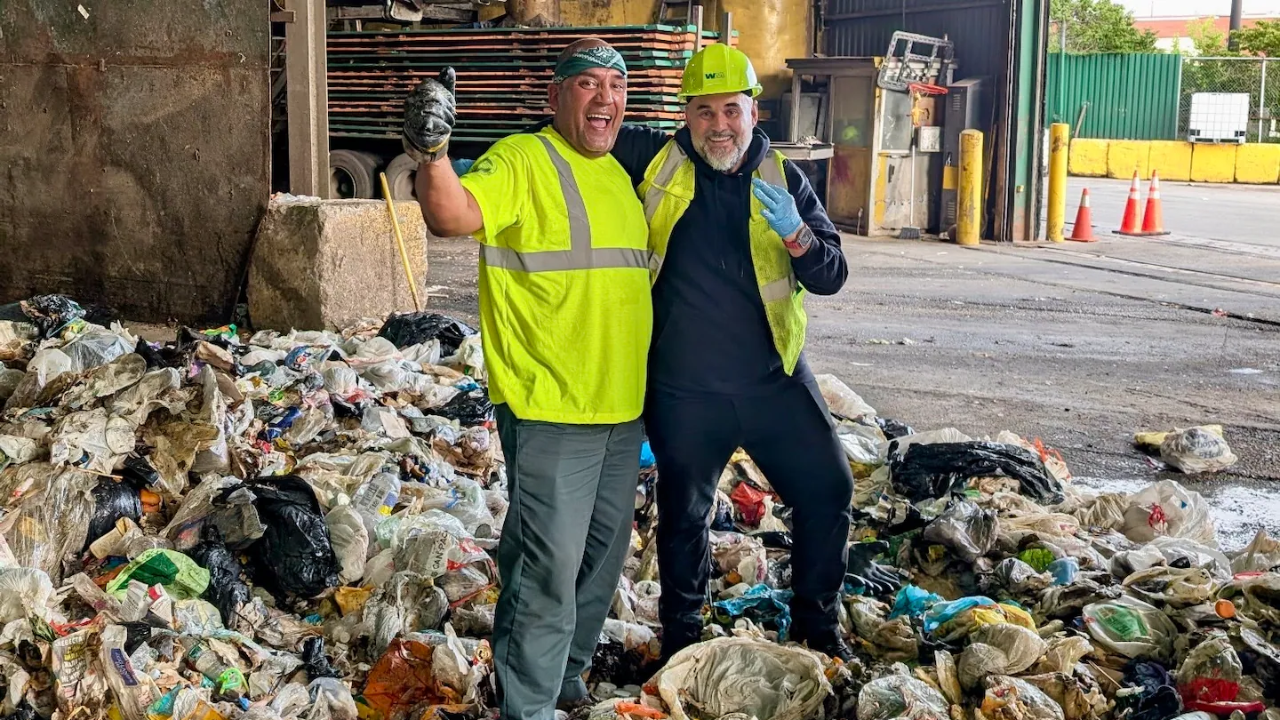
Yet last week, a homeowner achieved the impossible. After accidentally throwing away a priceless 100-year-old family ring, her husband tracked down the exact parcel, waded through twenty thousand pounds of municipal garbage, and emerged victorious with the antique jewelry intact. It sounds like a miraculous Hollywood script. It is actually a terrifying lesson in urban logistics, trash routing, and the fragile science of modern municipal waste management.
Let us look past the heartwarming headline. How does a single microscopic piece of metal get isolated from an ocean of decaying food, broken glass, industrial polymers, and biohazards? The answer requires understanding the hidden mechanics of your local trash disposal system, the economics of landfill operations, and the rare convergence of human persistence and municipal cooperation that makes the modern miracle of lost property recovery possible.
The Anatomy Of A Municipal Trash Route
Most people throw an item into a household bin, push the container to the curb, and forget it exists. Once the collection truck compresses that bin into its belly, the contents enter an opaque, highly optimized supply chain designed for one purpose only. Speed.
Garbage trucks do not visit a landfill after every single neighborhood stop. They run dense, multi-ton collection loops, packing their loads under extreme hydraulic pressure before heading to a transfer station. At the transfer station, contents from dozens of different vehicles get dumped onto a massive tipping floor, consolidated into semi-trailer floor loads, and hauled away to regional landfills or material recovery facilities.
If you lose an item in the trash, time is your absolute enemy. Every minute that passes pushes your item further down a cascading conveyor of industrial consolidation. By the time the average person realizes a family heirloom is missing, the trash has likely moved from a residential bin to a transfer truck, and potentially onto an open-air tipping face alongside fifty other heavy haulers.
The couple who found their century-old ring beat the clock through pure luck and immediate, aggressive action. They realized the mistake within hours, before the residential truck had dumped its load at the county facility. That single factor saved the ring from the permanent anonymity of a sanitary landfill cell.
Inside The Tipping Floor Madness
Stepping onto a commercial waste transfer floor is an assault on every human sense. The air carries the heavy, ammonia-rich scent of compressed organic decomposition. Diesel exhaust mixes with airborne dust from pulverized drywall and crushed cardboard. Heavy machinery dominates the field. Front-end loaders move with terrifying speed, pushing mountainous piles of domestic waste across concrete floors while spotters direct multi-ton transport trucks.
When a private citizen calls a waste management facility claiming a valuable item is buried somewhere in their recent trash, facility managers face a severe liability and operational dilemma. Standard safety protocols strictly forbid untrained civilians from entering active tipping areas. The risk of injury from falling debris, hidden medical waste, hazardous chemicals, or heavy industrial vehicles is astronomical.
Why did this specific search succeed when thousands of similar pleas fail daily?
First, the geography of the route was narrow. The sanitation department could pinpoint the exact truck and the specific zone of collection based on the homeowner's immediate phone call. Second, the facility managers possessed the operational flexibility to isolate the load before it entered the primary processing shredders. Third, and perhaps most importantly, the husband was willing to endure physical misery. He did not send a surrogate. He suited up in protective gear, climbed directly onto the mountain of refuse, and began the brutal process of manual sorting.
The Hidden Engineering Of Landfills And Sorting
We rarely consider where our discarded possessions go until we desperately want them back. Modern landfills are not simple open dumps. They are heavily engineered environmental containment systems.
When waste arrives at a permanent disposal site, it gets spread in thin layers and compacted by massive steel-wheeled compactors weighing upwards of forty tons. These machines feature spiked metal cleats designed to rupture garbage bags, smash cardboard boxes, and achieve maximum density so the landfill does not settle unevenly over the coming decades.
A 100-year-old ring caught beneath the teeth of a landfill compactor faces immediate destruction. The pressure exerted by a steel compactor wheel exceeds several thousand pounds per square inch. Gold and platinum possess high malleability, meaning an antique ring might survive the crushing force by flattening out, but smaller gemstones like diamonds or sapphires would likely fracture under that weight.
Furthermore, modern Material Recovery Facilities (MRFs) utilize advanced technologies to sort recyclables, but they are blind to individual valuables mixed in with general municipal waste. Eddy current separators fling away non-ferrous metals, optical sorters read plastic polymer types using infrared light, and giant magnets pull steel cans from the line. Precious metal jewelry mixed into general municipal trash streams bypasses these recycling systems entirely if it is wrapped in paper towels, hidden inside food containers, or buried deep within a garbage bag. It heads straight to the burial phase.
The Cost Of Negligence In The Modern Household
This incident serves as a brutal wake-up call regarding how we handle high-value items in domestic environments. Most lost-in-trash scenarios do not happen because a burglar steals a ring from a jewelry box. They happen because of casual domestic carelessness.
Jewelry wrappers are the primary culprit. People frequently wrap rings or earrings in loose tissues, paper napkins, or paper towels while cleaning up the kitchen, washing dishes, or prepping for bed. Hours later, clearing the table or emptying the bathroom counter, the folded tissue looks like trash. It gets swept into one hand and dropped directly into the bin.
To prevent this nightmare scenario, certain basic hygiene rules must govern how we treat domestic valuables:
- Never place paper napkins or tissues containing loose jewelry near a garbage receptacle or sink drain.
- Install a designated small ceramic dish or secure lockbox in every major room where jewelry is regularly removed.
- If a valuable item disappears and the trash has already left the curb, contact your local municipality or private waste hauler immediately while the truck is still on its route.
- Understand that waste management workers are public servants operating under tight schedules; polite urgency and precise timing yield better cooperation than demands.
The couple who retrieved their century-old heirloom from twenty thousand pounds of refuse got extraordinarily lucky. They beat a statistical nightmare through rapid response, a sympathetic municipal crew, and a stomach for absolute filth. But reliance on luck is a terrible strategy for protecting generational wealth. Most rings that take this journey do not return. They remain buried beneath layers of municipal waste, silent testaments to human error, crushed into the bottom of a modern landfill, lost forever to the grinding gears of progress.


.jpg?width=1200&auto=webp&trim=3%2C0%2C2%2C0)