The air in North York usually smells of pine, exhaust, and the quiet, damp chill of a Canadian autumn. Mornings arrive softly here. School buses rumble down residential streets. Neighbors wave over manicured hedges. Mail carriers drop envelopes onto porches without a second glance.
For years, a former Iranian official walked these exact suburban sidewalks. He bought groceries. He breathed the same crisp air. To anyone passing by, he was just another face in the mosaic of a bustling multicultural city. He was unremarkable. Safe. In similar developments, read about: Why Visual Storytelling Still Shapes How We Understand the World.
That was the illusion.
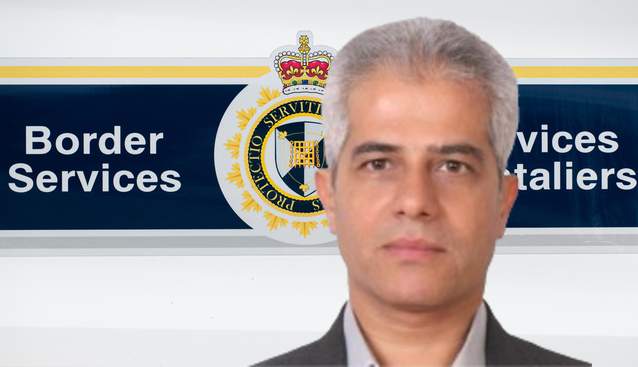
Beneath the veneer of an ordinary suburban life lay a different reality—one stitched together by wire transfers, shell companies, and the invisible architecture of global terror finance. When the Canada Border Services Agency alleges that someone was critical to moving money for a state sponsor of terrorism, our collective sense of security shifts. We look at our neighbors differently. We wonder what passes right under our noses while we are busy living our lives. The Guardian has provided coverage on this important subject in extensive detail.
Money does not shout. It whispers.
To understand how millions of dollars find their way from dark channels into clean jurisdictions, we have to look past the dramatic explosions and the political rhetoric. We have to look at ledgers. We have to look at the boring, mechanical plumbing of international finance.
Terrorism is expensive. Ideology inspires soldiers, but logistics keep them armed, trained, and mobile. Safehouses require rent. Couriers require flights. Encrypted communication networks require servers and maintenance. Someone has to pay the bills.
Enter the financial facilitator.
Imagine a man sitting behind a polished wooden desk in a quiet office. On his monitor, columns of numbers scroll past. To an untrained eye, it looks like mundane import-export data. Containers of textiles. Electronic components. Consulting fees. But every invoice is a distortion. Every transaction is a digital sleight of hand designed to bypass sanctions, evade international oversight, and bleed legitimacy into illicit funds.
When state actors seek to project power far beyond their borders, they rely heavily on operatives who understand how to navigate Western legal systems. They exploit the very openness that defines free societies. They set up businesses that look entirely legitimate on paper. They hire local accountants. They open bank accounts at reputable institutions. They become, for all intents and purposes, model corporate citizens.
Until the web snaps.
For the Canada Border Services Agency, building a case against an alleged terror financier is an exercise in immense patience. It is an intricate puzzle assembled from fragmented financial intelligence, intercepted communications, and cross-border cooperation. Investigators spend years connecting dots that suspects work tirelessly to blur.
Consider what happens when enforcement agencies finally close in. The suspect is not caught in a dark alley with a briefcase of cash. Instead, they are confronted with a wall of paperwork. Corporate registries. Tax filings. Bank statements dating back a decade. The weapon of choice is no longer a firearm; it is a forensic accountant's spreadsheet.
When allegations like these surface in Toronto, they send shockwaves through local diaspora communities and national security circles alike. For many Iranian Canadians who fled authoritarian rule seeking refuge, freedom, and peace, the presence of regime-linked operatives in their adopted home is deeply unsettling. It feels like a violation. It is a reminder that the long arms of oppressive governments can stretch across oceans, finding safe harbor in the quiet corners of democracies.
We often assume that national security threats arrive at our borders wearing uniforms or carrying false passports. We look for dramatic infiltrations. We expect cinematic drama.
The truth is much more mundane, and infinitely more dangerous. The threat wears a sweater from a local department store. It shovels snow from its driveway. It drives a modest sedan. It thrives in the spaces where we least expect to look, shielded by the assumption that if someone looks normal, they must be harmless.
As immigration and border enforcement hearings unfold, the public is offered a rare glimpse into the shadow economy that operates right beneath our feet. These proceedings force us to confront uncomfortable questions. How porous are our financial systems? How easily can foreign intelligence networks exploit immigration pathways? And what price do we pay for maintaining an open society?
There are no easy answers. Total security is an illusion, just as absolute privacy is. The challenge for modern democracies is to protect their borders and financial networks without eroding the trust and openness that make those societies worth protecting in the first place.
The man on the suburban sidewalk is gone now, replaced by court filings, media scrutiny, and the cold machinery of justice. But the questions he leaves behind linger in the cold air.
Next time you walk down your street, notice the quiet houses, the closed curtains, and the ordinary people going about their day. Somewhere among them, the machinery of the modern world keeps turning, fueled by secrets that few ever see, until the light finally breaks through the floorboards.