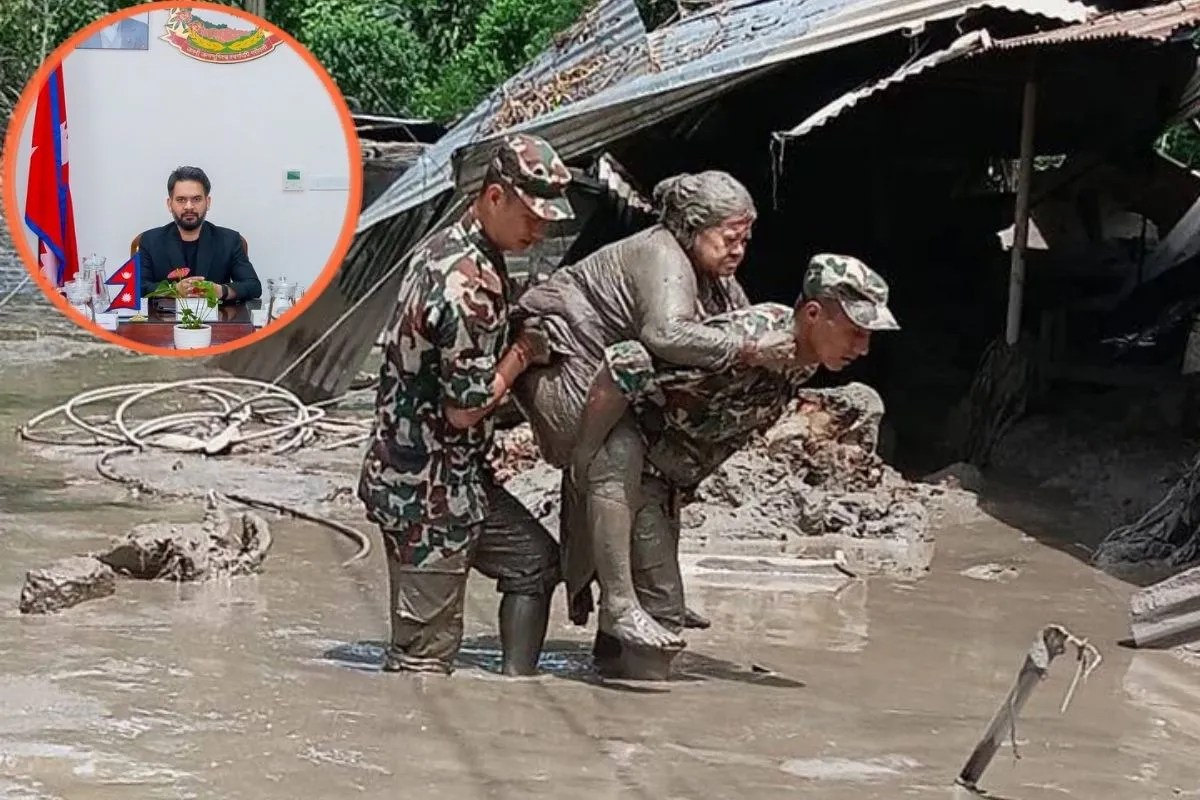
When catastrophic flash floods tore through Nepal, wiping out entire towns and leaving nearly 500 people dead, international offers to help poured in instantly. India, China, the United States, Britain, Japan, and South Korea all offered to deploy specialized search-and-rescue teams. Nepal said no.
If you're wondering why a country dealing with hundreds of missing citizens—including foreign nationals—would turn down boots on the ground, the reality comes down to a mix of logistical hard lessons, sovereignty concerns, and tactical pride.
Foreign Ministry spokesperson Lok Bahadur Chhetri made it clear that while international offers of assistance are natural, Nepal's own security agencies are handling the search-and-rescue operations independently. For now, Kathmandu maintains that domestic forces possess sufficient capacity to manage the crisis on the ground.
South Korea found itself in a particularly tense diplomatic spot. With nine of its citizens working at a local hydropower plant reported missing and ten others stranded, Seoul acted fast. South Korea dispatched an initial response team and pledged one million dollars in humanitarian aid through international organizations. Yet, Seoul admitted that Nepal signaled it wasn't quite ready to welcome foreign rescue personnel inside its borders. South Korean officials stated they would keep negotiating for access, highlighting the friction between foreign urgency and domestic control.
Geopolitics also quietly fueled speculation. Some analysts pointed out that many of the hardest-hit areas, including the Rasuwa district, sit right along the border with China's Tibet region. Former diplomats suggested that the location's high security sensitivity might have influenced the government's hesitation to let foreign military or specialized rescue units operate freely in the zone. Kathmandu firmly rejected that narrative, insisting that the choice had nothing to do with geopolitical maneuvering and everything to do with operational autonomy.
Past disasters offer a clearer lens on this decision. During massive earthquakes years prior, coordination bottlenecks involving dozens of overlapping foreign teams created severe operational friction on the ground. Local authorities learned the hard way that managing incoming foreign rescue units often drains administrative bandwidth rather than saving it. By keeping command strictly internal this time, Nepal aims to avoid logistical chaos while routing international goodwill where it is actually wanted—financial contributions through the Prime Minister Relief Fund.
Rebuilding the destroyed infrastructure, bridges, and ruined hydropower projects will cost billions. While rescue teams remain locked out at the border, financial aid and diplomatic coordination continue to evolve as foreign missions navigate Nepal's strict parameters for managing the aftermath.