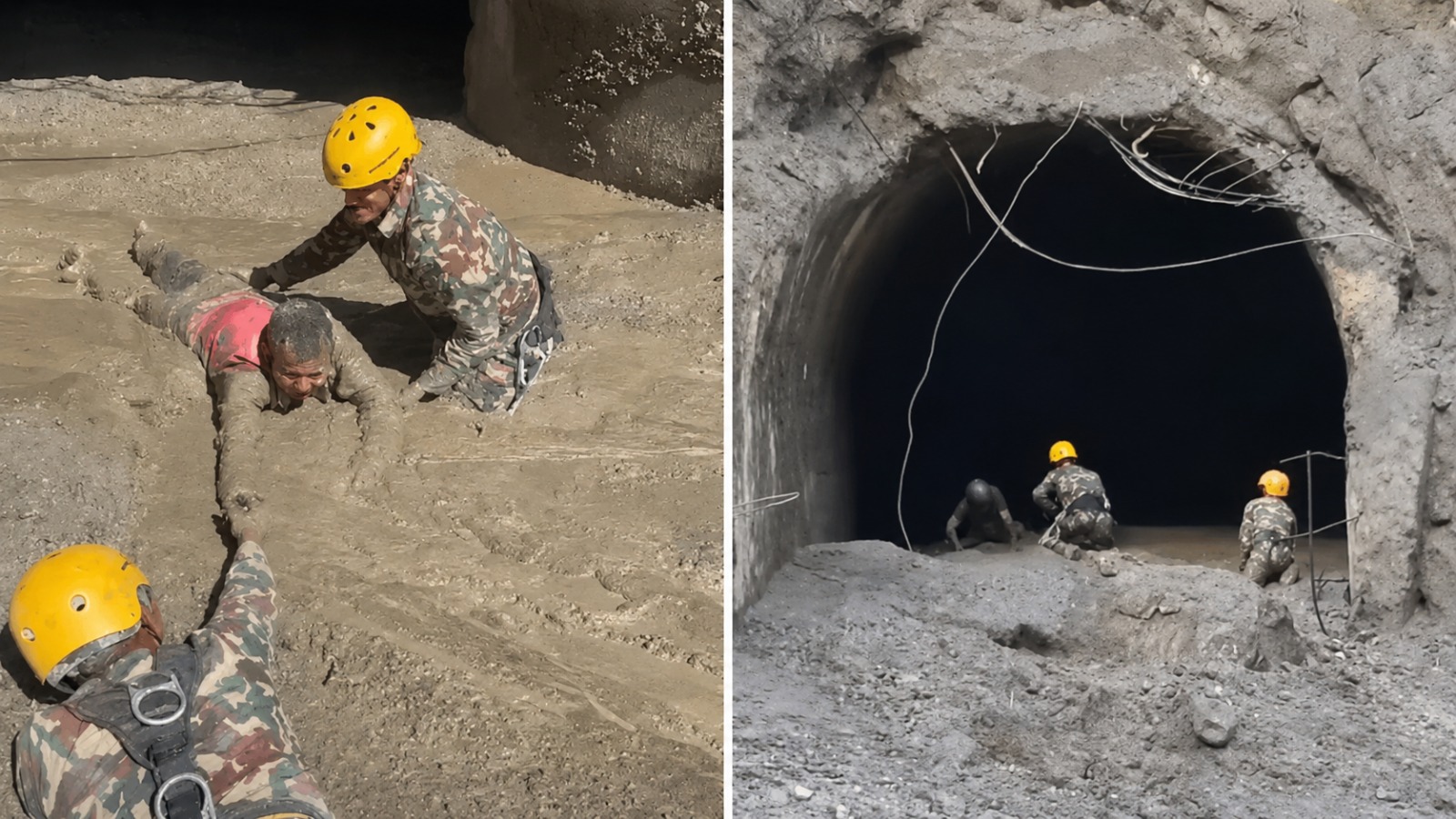
Disaster zones play tricks on your ears. Amid the mud, wreckage, and shattered concrete of the recent flash floods in Nepal, rescue teams from the Armed Police Force were combing through a devastated landscape near Syabrubesi in the Rasuwa district. Then, a faint sound cut through the silence. At first, workers thought it was just a stray animal. They figured it was a cat.
Instead, they pulled a five-year-old girl named Manisha alive from beneath deep layers of soil and heavy debris. She had been trapped there for two harrowing days.
Surviving the Unthinkable in Rasuwa
Flash floods don't leave much behind. They sweep away houses, bridges, and entire livelihoods in minutes. When the Bhote Koshi floods tore through the region, the official death toll climbed toward hundreds, with thousands still missing. Amid grim recovery operations, finding anyone alive felt statistically impossible.
Sanju Khatri, a police officer with Nepal's Armed Police Force, noted that crews were actively sweeping flattened sectors when they caught the faint noise. Expecting a trapped animal, the team investigated closer and realized the sound was human. It took roughly two hours of careful manual digging and clearing to reach the child.
When they finally uncovered her, Manisha was barely responsive. She had endured nearly 48 hours buried under dark, heavy rubble with no food, minimal air, and freezing moisture.
The Race Against Weather and Time
Pulling a survivor out of a disaster zone is only half the battle. Getting them advanced medical care when infrastructure is shattered is an entirely different nightmare.
Rescuers initially planned to airlift the young girl out via helicopter. Mountain weather had other plans. Heavy cloud cover and poor conditions grounded aircraft, forcing the team to pivot instantly. They carried her to a local rescue camp instead.
First responders gave her water and eventually small amounts of boiled rice water as she slowly regained consciousness. Once weather windows cleared up days later, she was flown directly to Kathmandu and admitted to the pediatric emergency department at the Teaching Hospital. Doctors confirmed her condition stabilized quickly, offering a tiny beacon of light for a nation grappling with widespread tragedy.
Ground Realities of the Nepal Disaster Response
Stories like Manisha's go viral instantly because they offer hope when numbers become too heavy to process. The disaster ministry reported hundreds of recovered bodies across affected districts, forcing authorities to take painful steps like temporary burials backed by DNA profiling to help families identify missing loved ones.
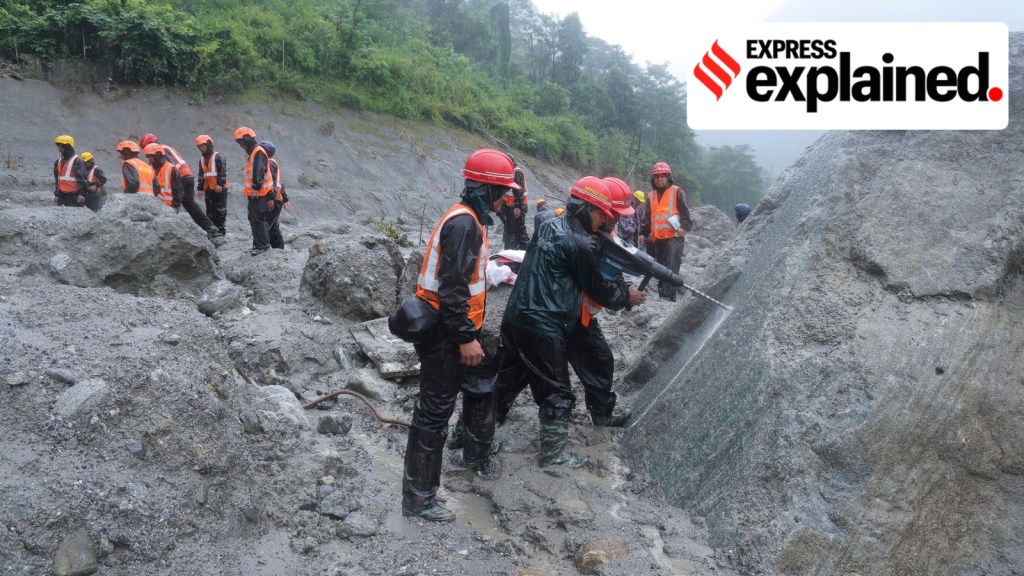
Search and rescue units face brutal conditions. Mudslides destabilize entire mountainsides, and secondary collapses threaten crews every time they use heavy machinery. That's why meticulous manual work—the kind that lets you hear a faint cry or mistake a child's voice for a feline's—remains the most vital tool in emergency zones.
Human resilience defies standard odds. Manisha is back with her parents, recovering away from the rubble, but her story leaves an imprint on how fragile survival really is when nature strikes without warning.