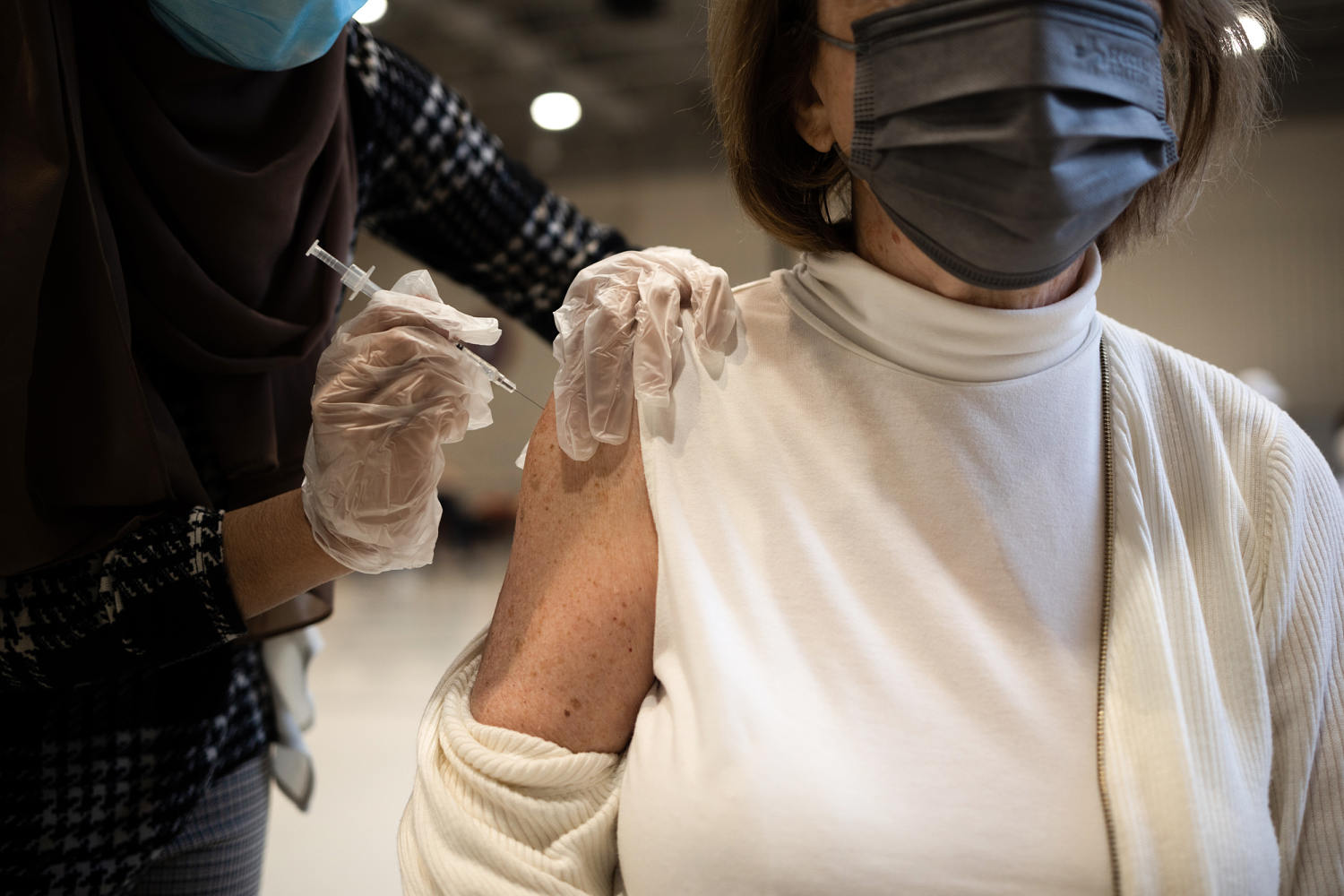
Public health officials are quietly sweating over H5N1. For months, the headlines tracking avian influenza have felt like a slow-motion car crash. It moved from birds to dairy cows, then to milk cartons on grocery shelves, and eventually to farmworkers. Now, the response is finally shifting gears. A major bird flu vaccine trial is officially underway, aiming to test how well a new generation of shots can protect humans against a potential pandemic strain.
This isn't just another routine clinical study. It's a race against an unpredictable virus that has already proven it can jump species with alarming ease.
If you think your annual flu shot has you covered, think again. Seasonal vaccines protect against the boring, predictable influenza strains that circulate every winter. They won't do a thing against a highly pathogenic avian influenza strain like H5N1. The human immune system is essentially blind to it. That's why scientists are rushing to get ahead of the curve before a crisis hits.
The Reality of the Current Bird Flu Threat
We need to talk honestly about the numbers. Avian influenza has killed hundreds of millions of birds globally. It wiped out entire flocks. Then it did something scientists hoped it wouldn't. It adapted to mammals.
The virus exploded through US dairy herds, infecting cattle across multiple states. When a virus replicates in mammals, it gets more chances to mutate into something that can spread easily between humans. So far, the confirmed human cases have mostly been farmworkers who had direct, intense contact with infected animals. Most of them experienced mild symptoms like conjunctivitis or a mild cough.
That sounds reassuring. But it's a dangerous trap to assume the virus will stay mild.
Historically, H5N1 has a terrifying mortality rate in humans when it does manage to take hold. We aren't seeing that extreme severity in the current dairy cow outbreak, which suggests the current strain lacks some key genetic mutations needed to ravage human lungs. But viruses change fast. Every new infection is a roll of the genetic dice.
Public health agencies aren't waiting to see what happens next. The US Biomedical Advanced Research and Development Authority, known as BARDA, along with global partners, is pumping hundreds of millions of dollars into developing and testing targeted vaccines. This current bird flu vaccine trial is the first real line of defense.
Inside the Bird Flu Vaccine Trial Technology
The ongoing trials are testing a couple of different approaches. We aren't relying on the old-school technology used for your grandparents' flu shots.
Traditional flu vaccines require growing the virus inside millions of fertilized chicken eggs. It takes months. If a bird flu pandemic hits, using chicken eggs to make the vaccine is a terrible strategy. The virus itself kills the chickens supplying the eggs. The system collapses before it even starts.
Instead, the current trials focus heavily on two modern methods.
The mRNA Approach
Companies like Moderna and Pfizer are testing mRNA candidates specifically tailored to the H5 strain. You already know how this works from the pandemic days. The vaccine delivers a genetic blueprint that teaches your cells to create a harmless piece of the bird flu virus protein. Your immune system spots it, builds antibodies, and remembers how to fight it.
The biggest advantage here is speed. Scientists can tweak the mRNA sequence in days if the virus mutates. Clinical trials are currently evaluating safety, optimal dosage, and how strong of an immune response these shots trigger in healthy adults.
Cell-Based and Adjuvanted Vaccines
Other trials are looking at cell-based manufacturing, where the virus is grown in cultured mammalian cells rather than eggs. This process is much more reliable during an avian outbreak. Investigators are also pairing these vaccines with adjuvants. An adjuvant is an ingredient added to a vaccine to create a stronger immune response.
Think of an adjuvant as a megaphone for the vaccine. It wakes up the immune system, meaning you can use a smaller dose of the actual vaccine per person. That allows manufacturers to stretch a limited supply to cover millions more people.
Why Scaling Production is the Real Bottleneck
Developing a working vaccine in a lab is the easy part. Manufacturing hundreds of millions of doses and getting them into arms is where everything usually falls apart.
Right now, the global manufacturing capacity for cell-based and mRNA flu vaccines is nowhere near where it needs to be for a full-scale pandemic response. If the virus mutates tomorrow and begins spreading from person to person in schools and offices, the world will face an immediate, severe shortage.
Governments have stockpiles of bulk H5N1 antigens, but filling them into vials takes time. The current bird flu vaccine trial helps determine exactly how much antigen is needed per dose. If the trial shows that a low dose paired with an adjuvant works well, the existing stockpile instantly becomes much more valuable. If the trial shows we need a massive dose to see real immunity, we have a serious problem.
There is also the logistical nightmare of distribution. Cold-chain storage requirements for mRNA vaccines mean that getting shots to rural farming communities, where the risk of initial exposure is highest, requires careful planning. We learned these lessons a few years ago, yet many local health departments remain underfunded and unprepared for another mass vaccination campaign.
Common Misconceptions About the New Vaccine Trials
A lot of bad information is floating around about what these trials actually mean. Let's straighten out a few facts.
- The vaccine is not being rushed into public distribution tomorrow. This is a proactive safety and immunogenicity trial. It ensures that we have a vetted, proven design ready to manufacture if the situation worsens.
- This is not a live virus vaccine. You cannot catch bird flu from participating in the trial or from getting the shot.
- The goal isn't necessarily to eradicate the virus. The primary goal is to prevent severe illness, hospitalization, and death in the event of a human pandemic.
Some critics argue that spending money on these trials is alarmist. They point out that H5N1 has been around for decades without causing a human pandemic. That is true, but it ignores the unprecedented scale of the current mammal-to-mammal transmission. The risk profile has fundamentally shifted. Ignoring it would be a catastrophic mistake.
What You Should Actually Do Right Now
You don't need to panic, and you don't need to go hunting for a bird flu shot today. They aren't available to the general public anyway. Instead, focus on practical actions that reduce your risk and keep you informed.
Avoid Direct Contact with Sick Animals
If you see a dead or clearly sick bird, do not touch it. Report it to local wildlife authorities. If you work around livestock, wear appropriate personal protective equipment like masks and eye protection.
Cook Your Food Properly
The FDA has consistently verified that pasteurized milk sold in grocery stores is safe, as the pasteurization process inactivates the virus. However, avoid raw milk entirely right now. It is an unnecessary risk. Cook poultry and eggs to safe internal temperatures to eliminate any potential pathogens.
Keep a Pragmatic Eye on the Data
Watch the results of these vaccine trials as they emerge over the coming months. Pay attention to data regarding safety profiles and antibody levels. Understanding the progress of these medical countermeasures gives you a clear, hype-free picture of how prepared we actually are. Stockpiles and supply chain agreements will matter far more than panic-driven headlines. Stay informed, protect your household from raw vectors, and let the clinical researchers do their work.