When you don't have a family doctor, a virtual health care app isn't a convenience. It's your only way to get heart medication, birth control, or asthma inhalers without waiting twelve hours in an emergency room.
For years, thousands of New Brunswickers relied on a service called eVisitNB to bridge that gap. It wasn't perfect, but it worked. Then, on June 30, the provincial government decided to switch things up. They traded the local platform for Virtual Care NB, run by a massive Luxembourg-based multinational corporation called Foundever.
The province promised a seamless handoff. Instead, patients got a lesson in administrative failure.
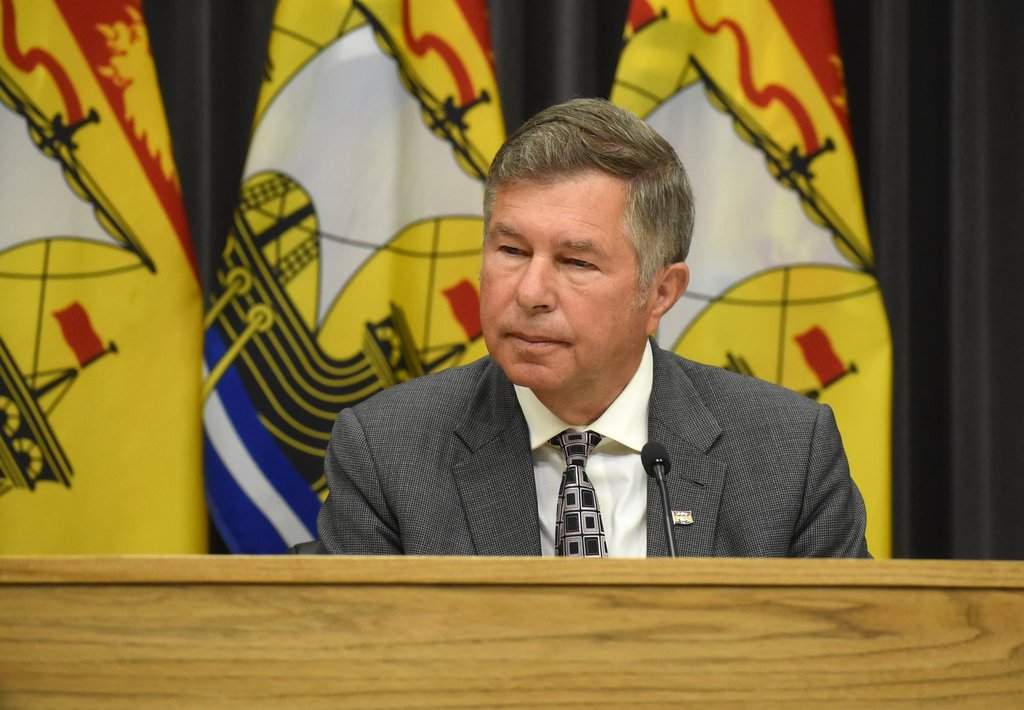
People couldn't get their prescriptions renewed. Phone lines jammed. Wait times ballooned from minutes to hours. Within weeks, the system was in such a state of friction that Health Minister Dr. John Dornan had to hold a press conference to take the blame and walk back major parts of the rollout.
Here is what went wrong, why the government failed to see it coming, and what they are actually doing to fix the mess.
The Underestimated Crisis of Routine Refills
If you want to know why Virtual Care NB stalled out of the gate, you have to look at prescription renewals.
When the province designed the new system, they expected patients to use it for acute, minor issues. Think rashes, ear infections, or mild coughs. What they completely missed—or chose to ignore—was that virtual care in New Brunswick has become a permanent surrogate for primary care.
With an estimated 200,000 residents living without a family doctor, thousands of people use these apps simply to keep their maintenance medications active.
Under the old provider, eVisitNB, getting a routine refill was relatively straightforward through their Maple app platform. But the new service, operated by Foundever, routed patients through a rigid, multi-step symptom-checker online or forced them to call Tele-Care 811.
Patients who just needed a quick inhaler refill suddenly found themselves trapped in a digital triage loop. The online symptom checker was confusing, repeatedly kicking people out or directing them to emergency rooms for minor issues.
If they tried to call 811 instead, they faced hours on hold, only to have their calls drop entirely. The system bottlenecked immediately.
Dr. Dornan defended the oversight by claiming the previous provider, eVisitNB, did not share historical prescription data with the province. Because of this, the health department claimed they had no idea how many people were using virtual care strictly for refills.
It is an explanation that sits poorly with patients. In a province where nearly a quarter of the population lacks a dedicated primary care provider, assuming people wouldn't use virtual care for basic renewals defies basic logic.
How Local Pharmacy Networks Were Ignored
The rollout didn't just alienate patients; it completely sidelined the local medical community.
As the virtual system ground to a halt, panicked patients did what anyone would do: they walked down to their local pharmacy. Over the first two weeks of July, drugstores across New Brunswick saw a massive surge of frustrated people looking for emergency refills.
But pharmacists had their hands tied. While New Brunswick pharmacists have the authority to extend some prescriptions, their powers are legally limited. They cannot simply take over long-term management for complex conditions without a practitioner's sign-off.
Worse, the New Brunswick Pharmacists’ Association revealed that the provincial government had zero meaningful discussions with them before launching the new system. A network of 1,000 highly trained professionals across the province was left entirely in the dark, unable to prepare for the wave of patients heading their way.
It was a classic case of top-down planning that ignored the reality on the ground. Had the province coordinated with pharmacies beforehand, they could have used local drugstores to absorb the prescription renewal load while the new virtual platform found its footing.
The Province Backtracks on the Rollout
Faced with mounting public anger, political pressure, and viral stories of patients waiting four hours online only to get nothing, the province had to act.
Dr. Dornan admitted that the transition was far from the "seamless" experience he had spent months promising. To patch the holes in the leaking ship, the government announced several immediate adjustments:
- A dedicated bypass for renewals: Virtual Care NB will introduce a direct, online prescription renewal tool. Patients will no longer have to navigate the lengthy, frustrating symptom-checker just to ask for a refill.
- A direct 811 phone menu: For those who prefer or need to use the phone, Tele-Care 811 is adding a specific menu option just for prescription renewals. This is designed to route those callers quickly and keep the main lines free for urgent nurse triage.
- Belated collaboration with pharmacists: The health department is finally sitting down with the New Brunswick College of Pharmacists and the New Brunswick Pharmacists' Association to find ways to break down barriers, potentially expanding what pharmacists can renew locally to take the pressure off the virtual queue.
- Hiring surge: Foundever has reportedly scaled up its contracted clinical staff, growing from 27 nurse practitioners at launch to 52 in an effort to handle the backlog.
These changes should help, but they are reactionary fixes to problems that could have been avoided with proper planning and communication.
What You Should Do Right Now
If you are a New Brunswick resident caught in this transition, waiting around for the system to fully stabilize isn't an option when your medication is running low. You need to protect your access to care today.
First, check your medication supply immediately. The health minister’s advice to "not wait until Sunday night" to request a refill is actually solid guidance. Start the renewal process at least a week before your pills run out to account for potential multi-day delays.
Second, if you have a family doctor or nurse practitioner, do not use the virtual care system. It is tempting to use an app for convenience, but the province is actively trying to push rostered patients back to their primary clinics to free up virtual slots for the 200,000 people who have no other choice.
Third, talk to your local pharmacist before you log on to Virtual Care NB. Walk into your regular drugstore and ask if they can perform a pharmacist-led renewal for your specific medication. If they can, you will bypass the entire virtual queue. If they can't, they can at least advise you on the quickest path to getting the clinical sign-off you need.