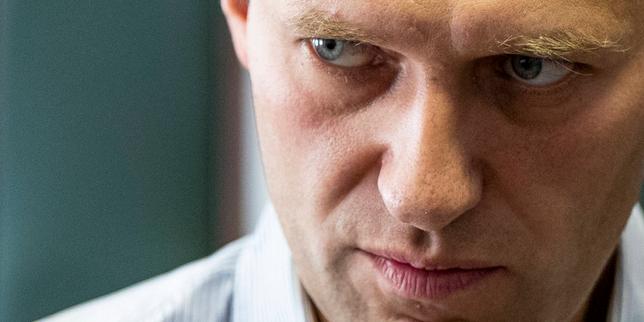
The British government isn't letting the Kremlin off the hook for state-sponsored assassinations. In a coordinated diplomatic strike right before the crucial NATO summit in Ankara, London blacklisted seven Russian scientists and two highly secretive military research institutes. The UK Foreign Office holds these specific actors responsible for developing the deadly toxins used to poison Russian opposition leader Alexei Navalny and British national Dawn Sturgess.
If you think asset freezes and travel bans on obscure scientists are just symbolic paperwork, you're missing the bigger picture. This move pulls back the curtain on Russia's active, illegal chemical weapons programme. Western intelligence isn't just watching the front lines in Ukraine anymore. They're targeting the labs producing the poisons.
Unmasking the Labs Behind Novichok and Epibatidine
Western nations have continually accused Moscow of using banned substances, but this latest round of British sanctions names the exact operations hiding behind academic credentials.
The two targeted institutions are SC Signal and the State Scientific Research and Testing Institute for Military Medicine (GNIII VM). These aren't standard medical labs. The UK government explicitly ties them to the development of Novichok, the notorious Soviet-era nerve agent, and Epibatidine, a highly toxic chemical compound linked directly to the lethal poisoning of Navalny in an Arctic penal colony.
The specific scientists now facing the heat include:
- Vladimir Kondratyev: A researcher who co-authored scientific papers on the toxic qualities of Epibatidine.
- Andrei Antokhin: Accused by British intelligence of conducting direct research on Novichok nerve agents.
- Viktor Taranchenko: Another specialist deeply embedded in the Kremlin's prohibited chemical programmes.
By naming these individuals, the UK is telling the Russian scientific community that hiding behind state orders won't shield them from international isolation.
The Broader Context of Rising Arctic Tensions
Don't look at these sanctions in isolation. The timing matches an increasingly dangerous game of chicken happening right now in the Arctic. On the exact same day the Foreign Office announced these measures, a Russian Bear-F maritime patrol aircraft flew dangerously low and close to the British aircraft carrier HMS Prince of Wales in the Norwegian Sea.
The Russian plane dropped a large number of sonobuoys right next to the carrier. That's a direct, provocative move meant to track Western naval movements. British F-35 fighter jets had to scramble to intercept and escort the Russian aircraft away.
Basically, the Kremlin is flexing its muscles in the North while London hits back where it hurts: exposing the state's clandestine assassination infrastructure. Foreign Secretary Yvette Cooper didn't mince words, calling Russia's repeated chemical weapon use a sickening violation of international law and a direct threat to global security.
Why Traditional Sanctions Target Scientists
A common criticism of Western foreign policy is that economic sanctions rarely change Vladimir Putin's behavior. Dictators don't care about economic downgrades. But targeting specialized personnel cuts deeper than a standard trade ban.
Developing nerve agents requires highly specialized, rare human capital. When the UK freezes the assets of top-tier toxicologists and bars them from international travel, it severely disrupts their ability to collaborate, source foreign laboratory equipment, or attend global forums under assumed covers. It tells every other researcher in the Russian military complex that working on offensive chemical programs carries a massive personal cost.
The UK has now sanctioned more than 3,400 individuals and organisations since the escalation of the Russia-Ukraine conflict. This specific focus on the creators of Epibatidine and Novichok reinforces the international consensus reached at the Munich Security Conference: only the Russian state had the means, motive, and opportunity to deploy these lethal toxins against political dissidents.
For geopolitical analysts and compliance officers tracking global risks, the path forward is clear. Expect Western allies to mirror these UK sanctions in the coming weeks, expanding the compliance burden for any international entity dealing with Russian academic or biochemical exports. Tracking the secondary supply chains that feed institutes like SC Signal will be the next major battleground for sanctions enforcement teams worldwide.