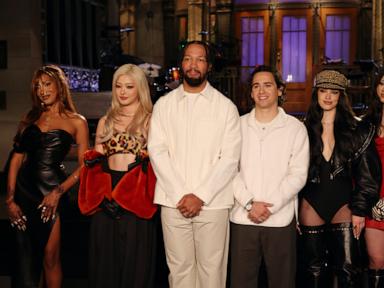
The intersection of professional sports and entertainment in New York City has always operated under a unique gravitational pull. When a franchise with the historical weight of the Knicks intersects with iconic cultural institutions like Saturday Night Live, the moment transcends mere promotion. It becomes a litmus test for cultural resonance, public perception, and the modern athlete's ability to shoulder dual burdens on and off the court. Jalen Brunson stepping into the cultural zeitgeist via late-night television represents a distinct shift in how sports stardom is curated, consumed, and weaponized in the media capital of the world.
For decades, New York athletes lived in a compartmentalized ecosystem. They practiced in suburban facilities, played in historic arenas, and maintained a polite distance from the city's chaotic media apparatus. Today's environment demands something entirely different. Athletes are no longer just competitors executing plays under stadium lights; they are cultural avatars operating in an unfiltered 24-hour news cycle. The transition from hardwood dominance to sketch comedy and media appearances is not a distraction from the primary mission of winning a championship. Instead, it is an extension of the modern basketball ecosystem where brand equity and team chemistry intertwine.
The Weight of the Big Apple Stage
Carrying the expectations of Madison Square Garden requires a psychological armor that very few players possess. For years, the franchise drifted through cycles of instability, coaching carousels, and front-office missteps that wore down even the most optimistic supporters. When a leader arrives who stabilizes the culture, the city responds with an intensity that can overwhelm normal human beings. Jalen Brunson did not just inherit a point guard position; he inherited the emotional custody of millions of passionate followers who have spent decades starving for sustained relevance.
The scrutiny in Manhattan is relentless. Every post-game press conference is parsed for signs of frustration, every shooting slump is treated as a crisis, and every public appearance is magnified through a cinematic lens. When an athlete steps onto a national stage outside of sports, they expose themselves to an entirely different kind of critique. Traditional sports analysts might debate true shooting percentages and pick-and-roll coverages, but late-night audiences and pop culture commentators evaluate charisma, timing, and authenticity. Surviving both arenas requires a rare combination of self-awareness and unyielding competitive drive.
History offers numerous examples of athletes attempting to bridge the gap between athletics and entertainment with varying degrees of success. Some stumble under the weight of forced humor or awkward timing, looking visibly out of place away from the familiarity of a locker room. Others lean into their natural personalities, using self-deprecating wit to disarm critics and build deeper connections with the public. The difference usually boils down to whether the athlete is playing a character or simply amplifying their genuine self. In a media market as cynical as New York, artifice is detected instantly and punished mercilessly.
Cultural Crossover and Athlete Branding
The modern sports economy rewards visibility in ways that previous generations could scarcely imagine. Endorsement deals, social media impressions, and podcast appearances form a continuous loop of influence that runs parallel to athletic performance. Yet, true cultural penetration cannot be manufactured by an agency public relations team. It requires organic moments that capture the imagination of demographics who might not watch a full four-quarter basketball game on a Tuesday night.
When athletes participate in major television events, they tap into a broader cultural conversation that elevates their personal profile and the collective standing of their organization. The economic implications are profound. Franchises are multi-billion dollar entertainment conglomerates, and their star players function as primary revenue drivers. When a team leader demonstrates the poise to handle national television with charm and composure, corporate partners take notice. Sponsors look for stability, likability, and cultural relevance. A successful media crossover validates the investment made in building a championship-caliber roster.
However, this commercial reality creates a delicate tightrope walk. The primary obligation remains inside the arena lines. Fans do not care about late-night television cameos if the team drops three consecutive games due to a lack of focus. Every off-court venture is judged by its proximity to the ultimate goal of winning. If the narrative shifts from athletic excellence to celebrity lifestyle, the backlash can be swift and unforgiving. Maintaining that balance demands ruthless discipline. The best competitors know how to compartmentalize their schedules, ensuring that external obligations never interfere with film study, recovery, and preparation.
The Architecture of Modern Leadership
Leadership in professional sports has evolved far beyond the screaming veteran barking orders in a locker room. Today's effective leaders act more like organizational architects, building trust, accountability, and emotional resilience across an entire roster. Jalen Brunson's emergence as the undisputed leader of the Knicks rests on a foundation of quiet confidence and consistent execution. He commands respect not through loud proclamations, but through his willingness to take the toughest shots, absorb contact in the paint, and shoulder the blame when things go sideways.
This leadership style translates remarkably well to environments outside the comfort of the team facility. When a leader is genuinely trusted by his peers, public appearances feel cohesive rather than disjointed. Teammates can share in the spotlight, knowing that the collective identity of the group remains intact. The presence of supporting players at high-profile events signals a unified front. It demonstrates that the camaraderie built during grueling training camp sessions and cross-country road trips extends far beyond the hardwood floor.
Building that kind of institutional trust takes years of shared struggle. New York basketball has seen its share of talented rosters implode because individual egos outweighed collective goals. Preventing that outcome requires constant communication and an unselfish approach to the game. When the star player willingly defers credit to his teammates and includes them in milestones, the entire locker room buys into the vision. That internal cohesion is the invisible thread holding a championship contender together through the inevitable turbulence of an eighty-two-game schedule.
Navigating the Media Fishbowl
Living and working in the New York media ecosystem is an endurance sport. Tabloids, radio talk shows, and digital content creators form an endless churn of opinion and speculation. Every practice snippet, every body language cue on the sideline, and every casual comment is analyzed by an army of commentators looking for an angle. For a player who values privacy, this fishbowl existence can feel suffocating.
The strategy for survival in this environment is emotional insulation. Successful athletes learn to tune out the noise, focusing exclusively on internal metrics of success rather than external validation or criticism. They understand that the same people praising them after a dominant victory will be sharpening their knives after a narrow defeat. Maintaining an even keel through these emotional swings is essential for long-term survival.
Furthermore, engaging with the media on one's own terms changes the dynamic entirely. Instead of reacting defensively to sensationalized headlines, savvy players use media opportunities to shape the narrative themselves. By showing wit, intelligence, and humility, they disarm hostile interviewers and build a reservoir of goodwill that cushions the blow when athletic performance inevitably dips. This mastery of public relations is not taught in playbooks; it is forged through trial and error under the bright lights of the nation's biggest city.
Beyond the Studio Lights
As the television cameras fade and the studio lights power down, the reality of the grueling NBA season rushes back into focus. A late-night cameo or a celebratory appearance is merely a brief pause in a relentless marathon. The ultimate measure of this era in Knicks history will not be determined by applause from studio audiences or mentions in morning talk shows. It will be decided in the crucible of the postseason, where physical exhaustion, tactical adjustments, and mental toughness dictate survival.
The ambition driving this franchise goes beyond regular-season milestones or cultural moments. The ultimate standard for New York basketball remains championship gold. Every practice drill, every film session, and every tactical adjustment points toward that single objective. The ability to balance the growing demands of modern celebrity with the unyielding physical requirements of professional sports separates good players from historic figures.
Ultimately, the crossover between sports and entertainment highlights the changing nature of modern fandom. Supporters today demand access, authenticity, and personality from their heroes. They want to see the human being behind the jersey. By embracing these moments with poise and authenticity, modern athletes redefine what it means to lead a franchise in the twenty-first century. The journey continues on the court, where the real verdict is rendered night after night.