Democracy is remarkably heavy. We tend to picture it as weightless—a splash of ink on a ballot, a blue checkmark glowing on a screen, the polite murmur of a city council meeting echoing off marble floors. We forget the skeleton holding it together. We forget the ordinary people who sit behind desks with nameplates, answering phones, walking to their cars in the dark, trusting that the social contract is strong enough to shield them from the storm.
Then the phone rings.
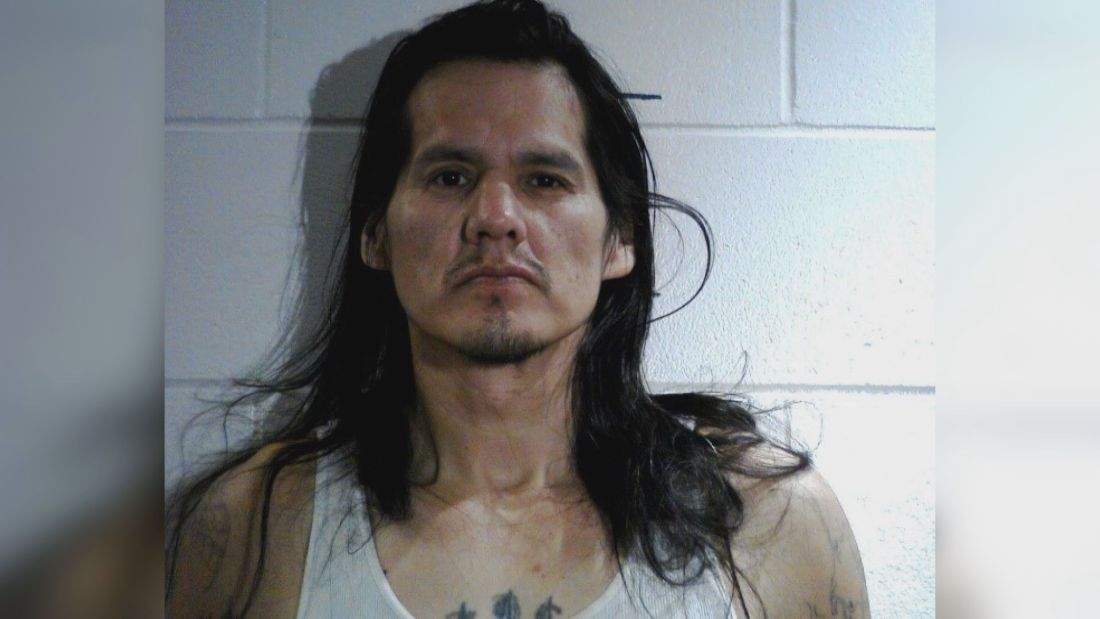
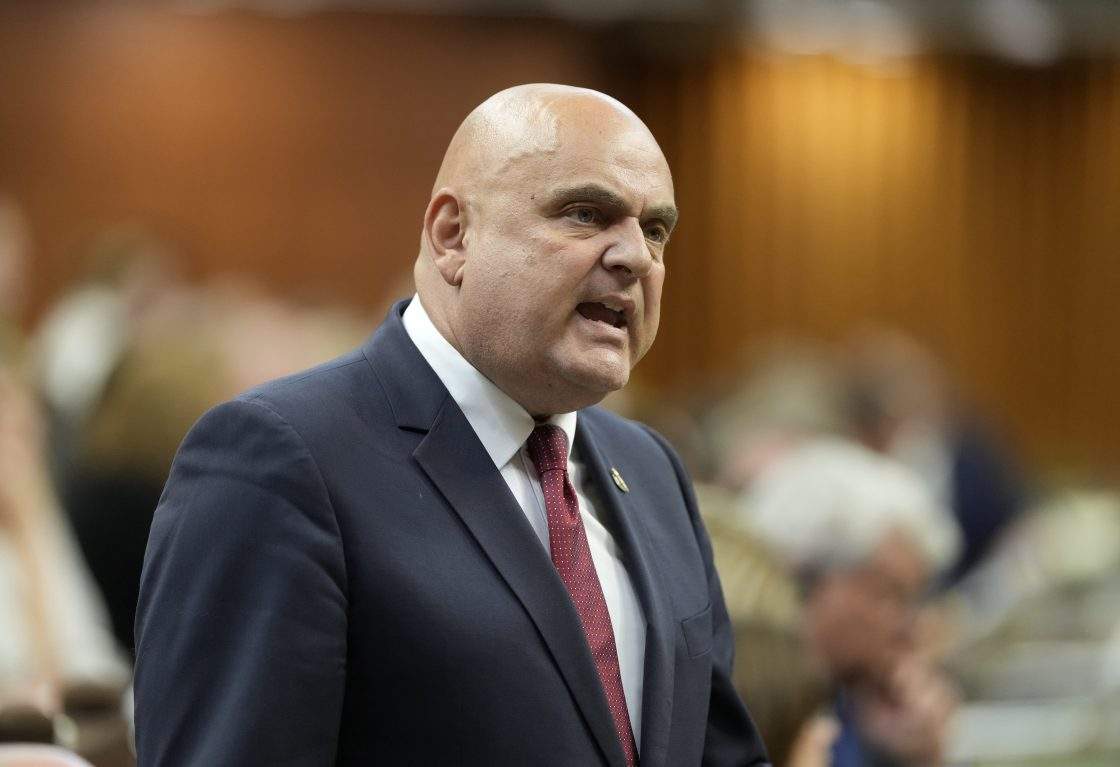
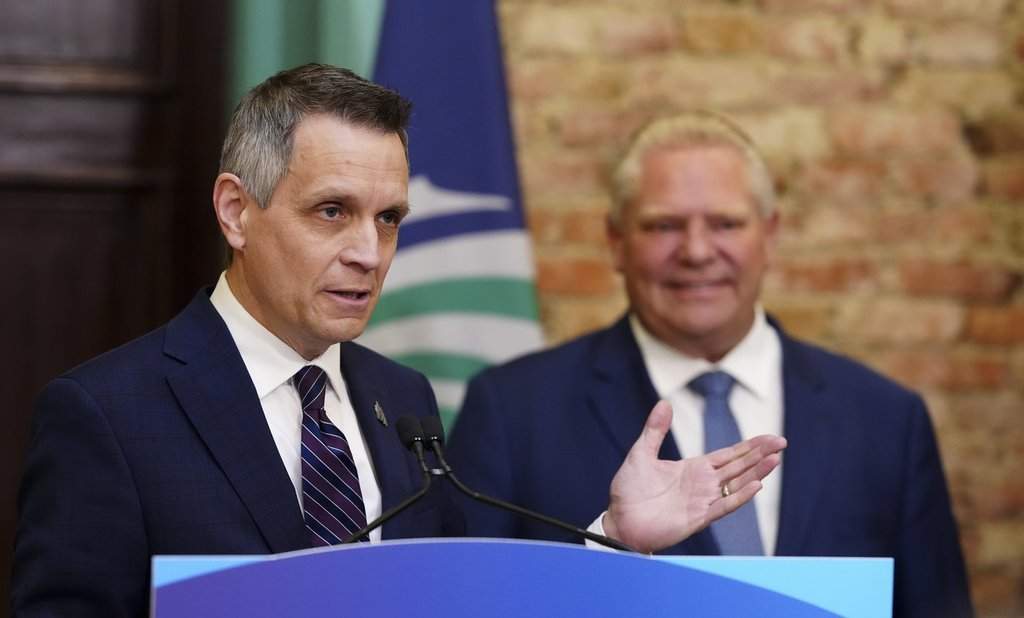
It was an ordinary evening in Ottawa when the machinery of local politics ground to a halt against a terrifying human wall. The news broke with the sterile precision of police reports: an Ottawa mayoral candidate, a man whose name had recently appeared on the very same debate stages as the city's leaders, stood accused of something dark. Death threats. Not abstract political fury shouted into the digital void, but direct, menacing warnings leveled against Mayor Mark Sutcliffe and Ontario Premier Doug Ford.
Consider what happens next.
The sirens fade, the press releases are filed, and the journalists move on to the next headline. But the people behind the names remain in the crosshairs. Politics has always been a contact sport, a collision of egos and ideologies. Yet, a terrifying line has been crossed. When the arena of civic debate turns into a hunting ground, the entire structure shudders.
To understand why this matters, you have to step away from the cable news chyrons and walk down the quiet residential streets of the capital.
Imagine a Tuesday night in a suburban kitchen. The coffee pot is gurgling. A briefcase sits by the door. For most of us, public service is an abstraction—a line item on property tax forms or a distant face on the evening news. For a mayor or a premier, it is an existence lived in perpetual visibility. Every grocery store trip, every little league game, every walk to the podium is an exercise in vulnerability.
When someone steps forward to run for municipal office, they sign up for criticism. They expect the angry emails, the hostile op-eds, the hecklers in the back of the auditorium. That is the friction of a free society. It is the abrasive process by which we grind down bad ideas to find workable compromises. But vitriol is not violence. Disagreement is not destruction.
When a candidate—someone who presumably sought office to shape the community—pivots to terrorizing the people actually holding the steering wheel, something fundamental breaks in the civic soul.
History teaches us that democratic institutions do not usually collapse in a single, cinematic revolution. They rot from the edges inward, beginning the moment we stop seeing our political opponents as neighbors with bad ideas and start seeing them as mortal enemies requiring elimination.
We have watched this fever spread across the globe. The language of public life has grown jagged. Social media algorithms reward the most venomous scream in the room, turning elections into gladiator matches where nuance is a liability and rage is currency. We laughed it off as internet culture for years. We told ourselves it was just digital noise.
It is no longer digital. It is standing in the driveway.
The arrest in Ottawa was not merely a local crime blotter item; it was a symptom of a much deeper cultural infection. It forces us to ask an uncomfortable question: Who is going to be willing to serve?
If the cost of running for city council or provincial office is the constant, low-grade terror of physical harm—if your family has to look over their shoulders every time the doorbell rings—then good people will simply stop running. The field will be cleared of anyone with empathy, caution, or a desire for quiet competence. Left behind will be the zealots, the adrenaline junkies, and those immune to the basic warmth of human community.
And that is a terrifying prospect.
We need to talk about the invisible emotional tax paid by public figures and their families. Behind every high-profile politician is a spouse who holds their breath when the phone rings late at night. There are children who learn early that their parent's face on a television screen makes them a target. When we normalize hostility, we are taxing the most fundamental resource a democracy possesses: the willingness of citizens to step into the light and say, Let me try to help.
The legal system will process the charges against the Ottawa candidate. There will be court dates, legal briefs, motions, and eventually a verdict. That is the mechanical function of justice. But the legal system cannot fix the cultural rot. Courts can punish a threat, but they cannot restore a sense of safety. They cannot force us to remember how to disagree without malice.
That work belongs to us.
It requires a conscious, daily rebellion against the outrage machine. It means refusing to share the viral post that dehumanizes a political rival. It means checking our own language when frustration threatens to curdle into hatred.
The ballot box is only as safe as the community surrounding it. If we allow the public square to become a place of terror, we will soon find ourselves living in the ruins of our own apathy.
The lights in City Hall are still on. Inside, beneath the portraits of past mayors and the quiet hum of fluorescent bulbs, decisions are waiting to be made about snow removal, transit lines, and community budgets. Outside, the autumn wind rustles the fallen leaves along the canal. The city moves on, seemingly unchanged. But beneath the surface, the ground has shifted.
The choice before us is stark. We can continue down the path of escalating hostility until public service becomes impossible, or we can draw a hard line in the dirt and remember that behind every title, every speech, and every policy debate, there is simply another human being trying to navigate the dark.