The coffee in the plastic cup was cold, but the man holding it didn't notice. He was staring at a bank of monitors in a windowless room, miles away from the heat of the Persian Gulf, watching a series of infrared dots move across a screen. To the untrained eye, they were just pixels. To anyone who has ever worn a uniform, those pixels represented human lives, heavy machinery, and the fragile thread holding a region back from total chaos.
Then, the screens blinked.
The headlines that flashed across global news feeds hours later were sanitized. They spoke of "kinetic actions," "strategic deterrence," and "proportional responses." They told a story of steel and geometry—US bombs hitting Iranian military infrastructure, followed by retaliatory strikes aimed at American installations in Kuwait. It sounds clean on paper. It sounds like a chess match played by faceless grandmasters.
It isn't.
When ordnance meets the earth, the ground vibrates for miles. The shockwave travels through the soles of your boots before the sound even registers in your ears. It is a violent, visceral reminder that geopolitical posturing has a body count, and that the distance between a "contained incident" and a raging regional wildfire is terrifyingly thin.
The Calculus of Steel and Shadow
To understand how a single night of violence reshapes the geopolitical landscape, we have to move past the sterile press releases. We need to understand the underlying tension that makes the Middle East a perennial powder keg.
For years, the relationship between Washington and Tehran has been defined by a shadow war. It is a game of chicken played with drones, proxies, and economic sanctions. But shadow wars have a nasty habit of bleeding into the daylight. When the US decided to launch direct airstrikes against Iranian military sites, it wasn't just destroying concrete and radar dishes. It was sending a message wrapped in high explosives: the old rules of engagement are officially dead.
Consider the immediate aftermath. Within hours of the American strikes, sirens wailed across US bases in Kuwait. Rockets, suspected to be launched by Iranian-backed factions, tore through the night sky, targeting the very places where young American men and women sleep, eat, and write letters home.
This wasn't a random act of aggression. It was a calculated, asymmetrical reply. Tehran was signaling that if its homeland or strategic assets are touched, every Western footprint in the region becomes a target.
The math is brutal. One side uses precision-guided munitions from thousands of feet in the air; the other uses localized, unpredictable rocket fire to disrupt the sense of security on the ground. It is a cycle of escalation where neither side can afford to back down without looking weak, yet neither side truly wants the total war that lies at the end of this path.
The Invisible Stakes in the Sand
We often view these conflicts through the lens of national pride or abstract foreign policy objectives. But the real stakes are much more intimate, and much more fragile.
Imagine a twenty-year-old soldier from Ohio, stationed at a dusty outpost in Kuwait. She didn't join the military to become a pawn in a multi-generational feud between Western democracy and Persian regional ambition. She joined to pay for college, or to see the world, or to follow in her father's footsteps. Tonight, she is huddled in a concrete bunker, listening to the thud of incoming artillery, wondering if the roof will hold.
On the other side of the ledger, think of a family in an Iranian city near a targeted military facility. They aren't IRGC commanders. They are teachers, shopkeepers, and children who stay awake listening to the roar of jet engines, praying that a pilot's coordinate calculations are accurate to the millimeter.
When these two worlds collide, the ripple effects extend far beyond the blast radius.
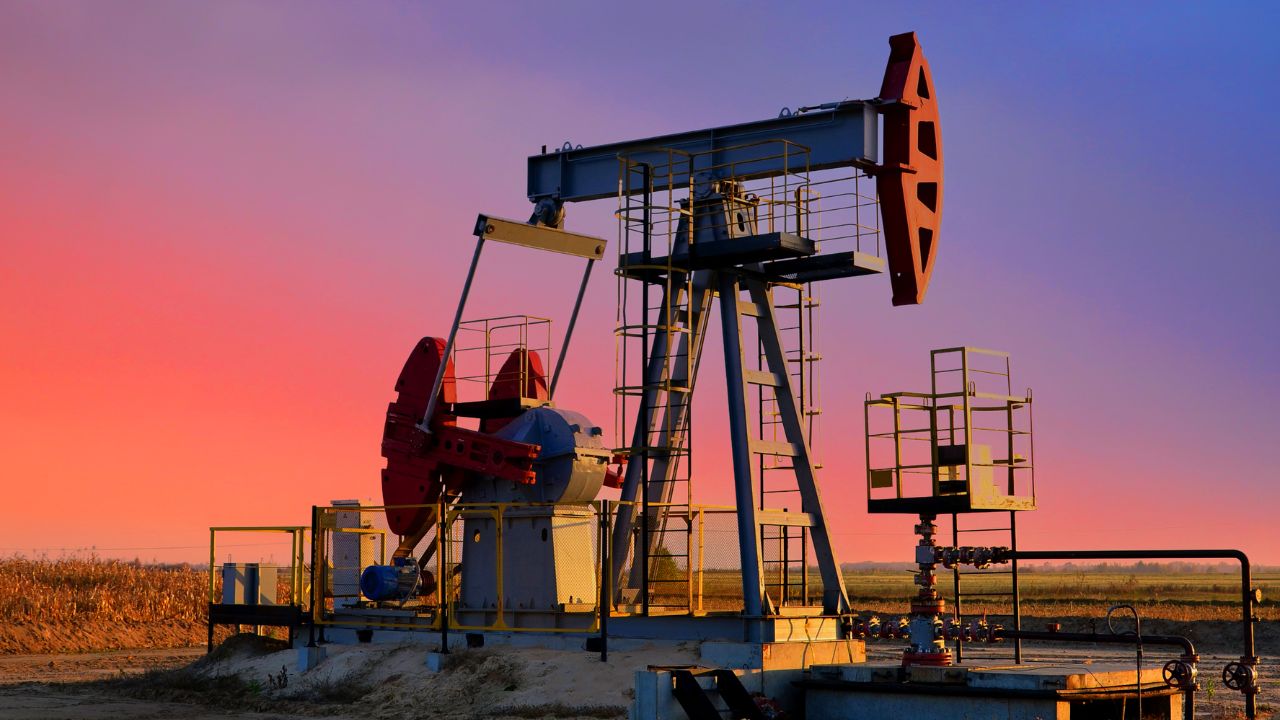
- Global Energy Security: The Strait of Hormuz and the shipping lanes around the Arabian Peninsula are the literal arteries of the global economy. A single stray missile hitting a commercial tanker could send oil prices skyrocketing, impacting everything from the price of milk in London to the cost of heating a home in Chicago.
- Regional Stability: Countries like Kuwait, Iraq, and Jordan find themselves caught in a geographical vice. They are forced to balance their alliance with the United States against the reality of living next door to a heavily armed, deeply resentful Iranian state.
- The Human Toll: Beyond the immediate casualties, the psychological weight of perpetual anxiety erodes the fabric of daily life for millions of people across the region.
The real danger isn't just the destruction of property; it is the destruction of predictability. When the unpredictable becomes the norm, miscalculation becomes inevitable.
The Friction of Miscalculation
The history of the modern world is a history of accidents. Wars rarely start because everyone decides it is a good day to fight. They start because one side misinterprets a signal, overplays their hand, or assumes the other side is bluffing.
The current standoff between the US and Iran is a masterclass in this kind of dangerous ambiguity. The US claims its strikes are defensive, aimed at preventing future attacks on its personnel. Iran claims its retaliation is a legitimate act of self-defense against Western imperialism. Both sides believe they are the aggrieved party. Both sides believe they are acting with restraint.
But restraint is a subjective term.
What Washington views as a measured, limited strike, Tehran may perceive as an existential threat to its regime. What Iran views as a minor symbolic rocket attack on a base in Kuwait, the US may see as a casus belli demanding an even harsher response.
This is the friction of conflict. It is the fog that descends when the shooting starts, making it impossible to see where the exit ramps are. The longer this cycle continues, the more likely it is that a single mistake—a missile hitting a crowded barracks instead of an empty field, a drone straying into the wrong airspace—will trigger a chain reaction that nobody can stop.
The Long Shadow of the Night
The smoke eventually clears, the sirens fall silent, and the analysts return to their charts. But the world shifted on its axis during those few hours of violence.
We are no longer living in an era where conflicts can be easily contained to a single valley or a specific border. In our interconnected reality, a detonation in the deserts of the Middle East sends shockwaves through global financial markets, reshapes domestic political debates in Washington, and alters the security posture of nations thousands of miles away.
The tragedy of the situation is that there are no easy answers. There is no magic diplomatic formula that can instantly erase decades of mistrust, grievance, and bloodshed. The path forward is murky, fraught with peril, and requires a level of statecraft that seems increasingly rare in the modern age.
As the sun rises over the Persian Gulf, burning away the morning mist, the physical damage of the strikes can be measured in twisted metal and cratered runways. But the true cost is measured in the quiet, agonizing realization that the next night could be worse. The region holds its breath, waiting to see who will make the next move, while the rest of the world watches the monitors, hoping the pixels don't start moving again.