The coffee in the Knesset cafeteria tastes like wet cardboard when the sun goes down, but nobody is drinking it for the flavor anymore. It is past midnight. Outside, the Jerusalem air carries the scent of exhaust and burnt asphalt from the tires smoldering on the highway a few miles away. Inside, under the harsh fluorescent lights, men in dark suits are rewriting the rules of a nation on a stack of printer paper.
To understand how a country splits down the middle, you have to look past the television screens and the roaring crowds. You have to look at a small room where a single word is being erased from the legal code.
That word is reasonableness.
It sounds boring. It sounds like something a graying bureaucrat would mutter during a zoning board meeting. But in a country without a formal, written constitution, that single word was the only thread holding the ceiling up.
Let us look at a hypothetical citizen to understand how this abstract concept touches actual skin and bone. We will call her Tamar. She runs a small bakery in Tel Aviv. She pays her taxes, she served her time in the military, and she watches her water bills rise every year. For decades, Tamar lived with a quiet, unexamined confidence that if the government suddenly decided to seize her street to build a private villa for a politician’s cousin, a judge somewhere would look at the decree, frown, and strike it down. The judge would call the government’s action unreasonable.
Now, that shield is gone.
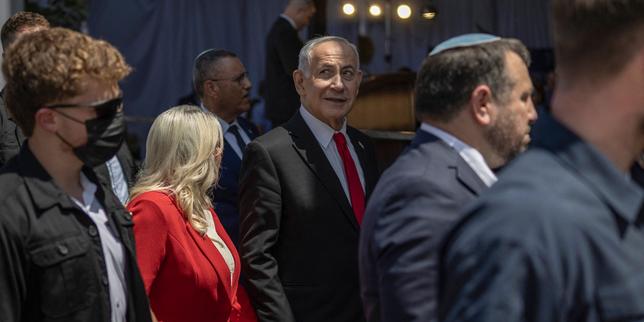
The battle that paralyzed Israel for months was not just a political spat between a wounded prime minister and a stubborn chief justice. It was a fundamental argument about who gets the final word when a society begins to tear at the seams. On one side stood Benjamin Netanyahu’s coalition, arguing that the voters gave them the right to rule without judges looking over their shoulders. On the other side stood millions of people who felt that without those judges, the ballot box was just a trapdoor.
The tension did not build overnight. It simmered for years in the backrooms of think tanks and the bitter grievances of a political class that felt elite jurists were blocking the will of the majority. When the government finally moved its massive legislative package forward, the reaction was immediate, visceral, and loud.
Imagine the sound of one hundred thousand people blowing plastic horns simultaneously under a concrete overpass. The noise vibrates in your teeth. Week after week, the main thoroughfares of Tel Aviv transformed into rivers of blue and white flags. Doctors walked out of hospitals. Tech executives threatens to move billions of dollars out of the country. High-ranking military reservists—the very pilots who protect the skies—quietly signed letters stating they would no longer report for voluntary duty if the soul of their democracy was compromised.
Think about the weight of that decision. A fighter pilot, trained at the expense of millions, deciding that the threat inside the parliament building was more dangerous to his home than the missiles across the border. That is not a policy disagreement. That is a collective nervous breakdown.
The government argued that the courts had overstepped their boundaries for decades, turning themselves into an activist body that answered to no one. They pointed out that in any standard democracy, parliament makes the laws. If the people do not like the laws, they vote the lawmakers out. It sounds logical on paper. It sounds clean.
But the real problem lies elsewhere. Israel does not have a standard democracy setup. There is no Senate. There is no regional representation. There is no separation of powers between the executive and the legislative branches; the prime minister controls both by definition through a majority coalition. The only check on absolute power was the Supreme Court.
When you remove the only brake on a speeding car, the passengers tend to scream.
Consider what happens next when the guardrails come down. The fight moved from the streets into the very machinery of daily life. Families stopped talking at Sabbath dinners. Old friends blocked each other on messaging apps. The line between "us" and "them" became a canyon, and the bridge was burning.
The night the first major piece of the reform passed, the Knesset chamber was a theater of exhaustion. Opposition lawmakers shouted "Shame!" until their voices cracked into whispers. Some sat on the floor in protest, their backs against the wooden desks, looking like castaways on a sinking ship. The coalition members sat rigid, staring straight ahead, casting their votes with the grim determination of soldiers taking a hill.
When the tally was announced, there were no cheers. Just a heavy, suffocating silence that followed everyone out into the night air.
The legal language was dry, but the human cost was immediately visible. The currency tumbled. International credit agencies issued warnings that read like autopsies of economic stability. Yet the true damage was psychological. The unspoken contract between the state and its citizens—the belief that the rules are fair, even when you lose—had been rewritten without a consensus.
It is easy to get lost in the talk of clauses, amendments, and judicial appointments. It is harder to look at a society and realize that the trust holding it together has evaporated. A nation can survive economic downturns, and it can survive foreign threats. It cannot easily survive the moment its people look at their own government and see an existential danger.
The streets are quieter now, but the silence is deceptive. It is the quiet of a house after a terrible argument, where everyone is sitting in separate rooms, listening to the clock tick, wondering who will be the first to pack a bag. The gavel may have cracked, but the echo of that break is still traveling across the country, shaking the foundations of everything that built it.