The coffee in Tariq’s cup had gone cold hours ago, a dark, bitter pool reflecting the sterile fluorescent glare of the control room. Outside, beyond the reinforced glass and miles of empty, shifting sand, the Arabian night was quiet. Too quiet. It was the kind of silence that veterans of this industrial frontier learned to mistrust, a heavy pressure before a storm. Tariq, a mid-level safety inspector whose boots had walked these sprawling processing plants for over a decade, checked his watch for the fourth time in five minutes.
Then came the sound.
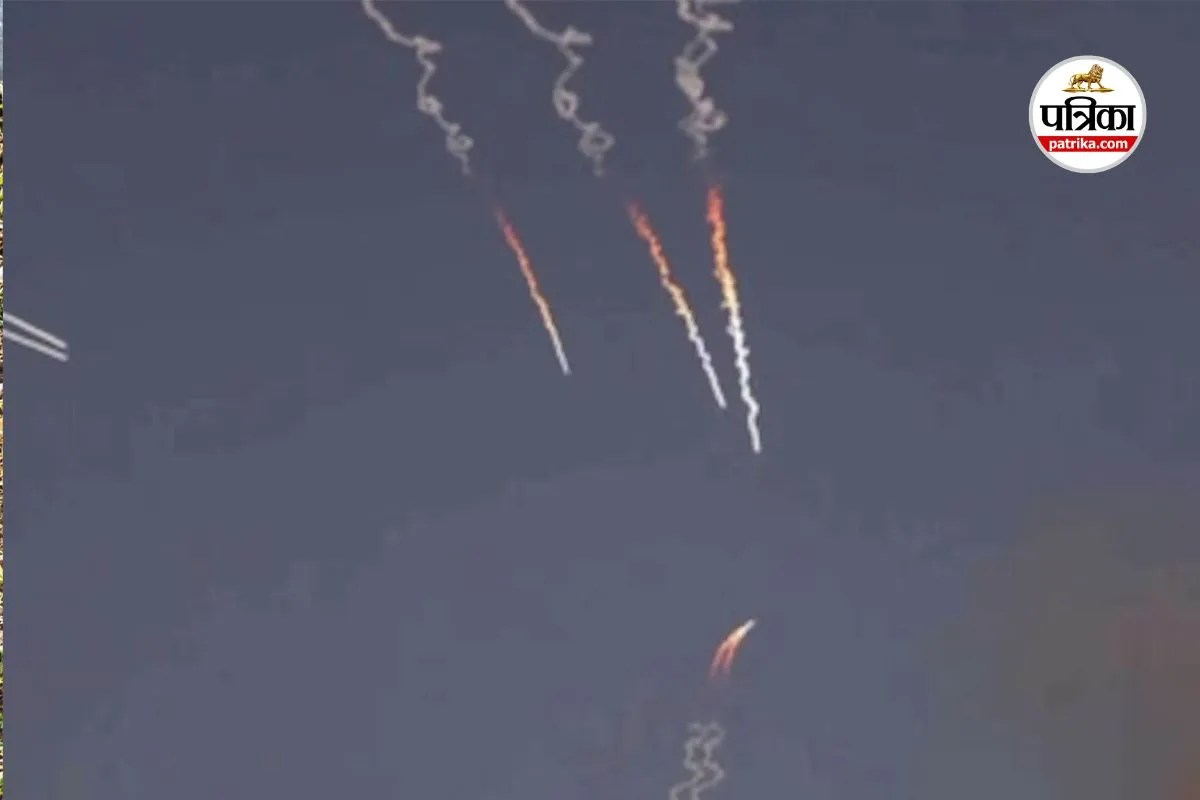
It was not a thunderclap. It was a sharp, tearing roar that seemed to rip the fabric of the night sky in half, followed almost instantly by a concussive shockwave that rattled the heavy steel doors on their hinges. Sirens began to wail, a rising wall of industrial panic that cut through the sterile quiet of the facility. Red emergency lights bathed the control panels in a bloody hue. Far across the horizon, a plume of thick, oily black smoke began to billow upward, blotting out the stars and turning the desert night into an artificial twilight of fire and ash.
Seventy-three civilians. That was the human toll tallied in the frantic hours that followed the missile and drone barrage unleashed by Houthi forces from across the southern border. Seventy-three ordinary men and women—welders, technicians, cooks, and engineers—caught in the fiery crossfire of a regional proxy war that treats critical energy infrastructure as a chessboard.
We talk about geopolitical conflicts in abstract terms. We speak of gross domestic product, barrel prices, supply chain vulnerabilities, and strategic deterrents. We draw lines on maps and analyze missile trajectories as if they were lines of code. But the reality on the ground is starkly human. It smells of sulfur, melting composite materials, and the metallic tang of fear. It looks like blood smeared on a concrete floor and workers running through a haze of smoke, desperately searching for colleagues in the chaotic dark.
Consider what happens when a precision strike hits the beating heart of global energy production. Saudi Aramco installations are not merely factories; they are the circulatory system of modern industrial civilization. When a drone slams into a stabilization unit, the ripple effect reaches a mother filling her gas tank in Chicago, a trucker hauling freight across the German autobahn, and a factory worker turning on a lathe in Mumbai. But those distant ripples are cold. They lack the searing heat of the explosion that rattled Tariq’s coffee cup.
The escalation was swift. For months, the borderlands had hummed with the low-grade friction of asymmetric warfare. Cheap, commercial-grade drones, cobbled together with off-the-shelf components and guided by encrypted satellite links, had become the weapon of choice for non-state actors. They slip beneath conventional radar umbrellas, hugging the contours of the desert terrain before diving toward their high-value targets with terrifying precision.
When the first projectile hit the processing facility, the initial reaction was disbelief. Modern industry operates on a premise of absolute control. Massive complexes of steel pipes, fractionation columns, and storage tanks are designed to withstand extreme pressure, corrosive chemicals, and accidental fires. They are marvels of modern engineering. Yet, they are fundamentally vulnerable to airborne weapons designed to exploit the very openness required to harvest resources from the earth.
Tariq did not have time to be philosophical. His training kicked in, a rigid muscle memory forged through countless safety drills. Alongside his team, he moved through the maze of evacuated units, accounting for personnel, checking for ruptured gas lines, and pulling injured colleagues away from secondary flare-ups. The air was heavy with particulate matter, making every breath feel like inhaling glass.
In the immediate aftermath of the attack, the international media flooded the airwaves with stock footage of burning oil fields and hurried statements from diplomats. Analysts debated the provenance of the guidance systems and the strategic calculus behind the timing of the strike. Was it a message to regional rivals? Was it a response to shifting diplomatic alignments in Sanaa and Riyadh?
These questions matter, of course. Statecraft requires understanding the motives of those who pull the trigger. Yet, the wider conversation frequently overlooks the sheer psychological weight borne by the workforce living in the shadow of these facilities. Every morning, these workers wake up, put on their high-visibility vests, and walk back into the danger zone. They do it because the machinery of the global economy demands fuel, and because, for them, life is a series of calculated risks taken to secure a future for their families back home in Kerala, Manila, or Cairo.
The attack on the Aramco facilities served as a brutal reminder of how fragile our interconnected world truly is. We build towering monuments to human ingenuity, complex networks of energy and commerce that span continents, yet we leave them exposed to the oldest tools of destruction known to humanity: fire and gravity, wielded with modern malice.
Dawn broke slowly over the desert, refusing to provide the comfort of a clean horizon. The smoke from the burning facility had spread out into a massive, dirty canopy, casting a long, mournful shadow across the sand dunes. Tariq stood outside the control room, his clothes smelling of soot, staring up at the bruised sky. The fire was out, contained by the relentless work of emergency crews, but the landscape had fundamentally shifted. The illusion of safety behind the perimeter fence was gone, replaced by the sober realization that the front lines of tomorrow's conflicts are no longer confined to distant trenches. They run right through the industrial powerhouses that keep our modern world turning.