Radar screens do not feel fear. They do not sweat under fluorescent lights, nor do they hold their collective breath when a blip shears across the glass at eight hundred miles an hour. They simply register geometry. A vector. A velocity. A question mark carved in green phosphorescence across the dark interior of Eastern Europe.
It was Tuesday. Over the amber-and-pine patchwork of Lithuania, the digital pulse of the continent skipped a beat.
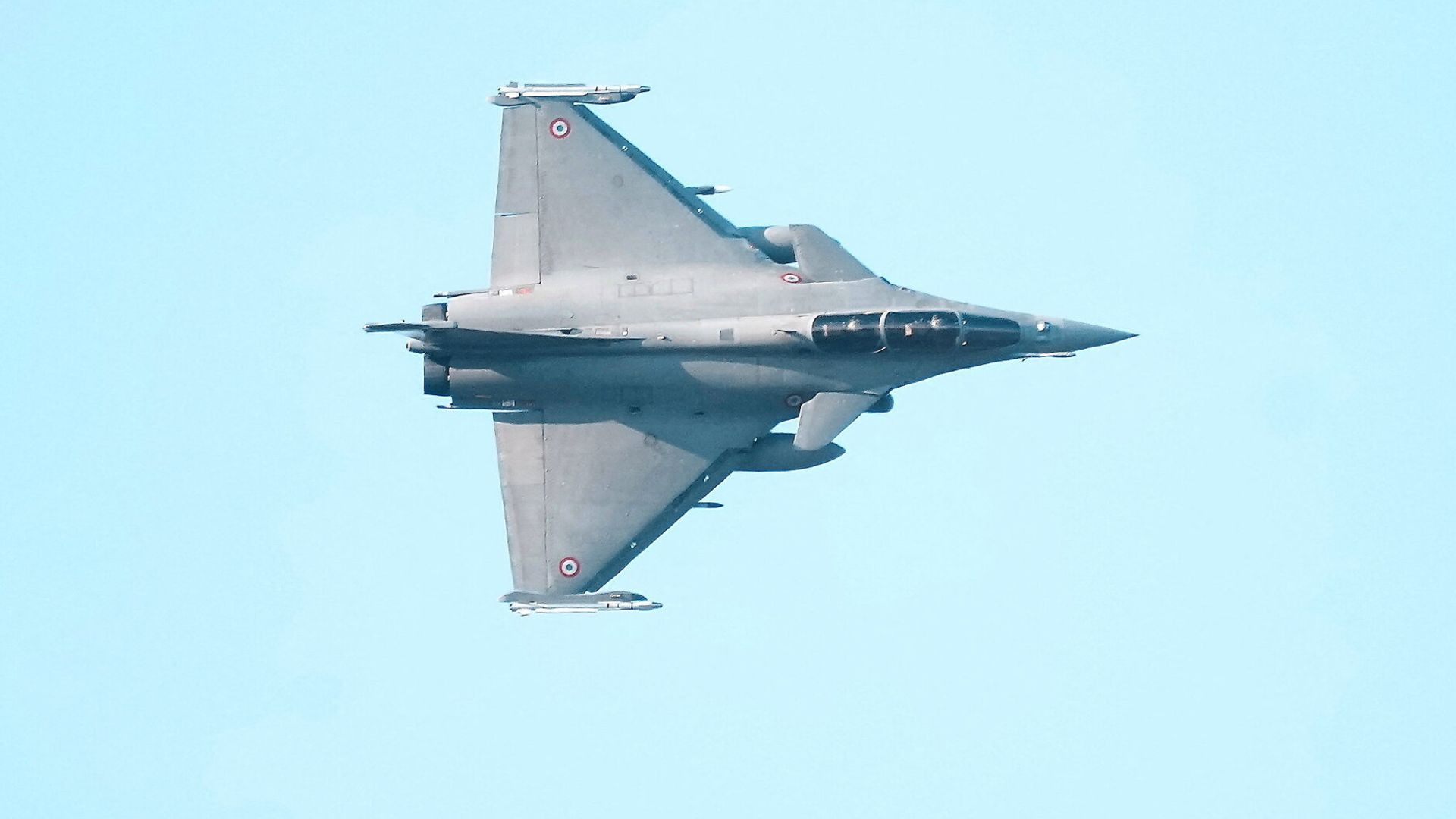
Somewhere in a fortified hangar near Siauliai, alarms did not merely ring; they detonated the silence. Mechanics dropped wrenches. Pilots who had been drinking lukewarm coffee out of heavy ceramic mugs found themselves strapped into multi-million-dollar carbon-fiber cockpits before their heart rates could catch up to the klaxon. Within minutes, NATO fighter jets—sleek, grey apex predators of the modern firmament—ripped upward through the low-slung Baltic cloud cover, burning aviation fuel at a terrifying rate to intercept an unidentified intruder.
The ground stations tracked it. The pilots looked for it. The geopolitical machinery of thirty allied nations braced for the worst possible interpretation of the night.
Then came the visual confirmation.
There was no titanium fuselage. No whirring turbine blades of an Iranian-designed kamikaze drone sent to probe Western resolve. No hostile payload waiting to detonate against a power substation or an army barracks.
Instead, the pilots found feathers. Thousands of them.
An enormous, swirling congregation of migratory birds, caught in the thermal updrafts of an autumn evening, had successfully mimicked the radar signature of an airborne assault. The high-stakes scramble, the diplomatic emergency rooms jolted awake in Brussels and Vilnius, the sudden tightening of sinew across an entire defense alliance—all of it triggered by a flock of thrushes and starlings minding their own ancient business.
We laugh, perhaps. We exhale the long, ragged breath of a crisis averted. But the laughter tastes like ash if you stay in the quiet room long enough to ask what that moment actually revealed.
To understand why a few ounces of hollow bone and hollow feather can paralyze the North Atlantic Treaty Organization, you have to understand the psychology of the modern watchman.
Imagine sitting in an air-defense command post at two in the morning. Your job is not to be right most of the time; your job is to be paranoid all of the time. The airspace above the Baltic states is not an empty blue room. It is a nervous system. Every square mile is monitored by phased-array radars, ground-based interceptors, and electronic intelligence collectors that listen to the electromagnetic whisper of every domestic airliner and military transponder within three hundred miles.
Since the war in Ukraine fractured the European security architecture, that nervous system has been rubbed raw.
When a drone crosses a border—whether it crashes in Poland, explodes in Romania, or loiters ominously over Romanian silos—it changes the physics of reaction. Hesitation is no longer an administrative error; it is a fatal vulnerability