The key in the lock does not belong to you.
That is the first thing you notice when midnight bleeds into the narrow residential alleys of Shinjuku. The metal clicks too loudly against the doorframe, a sharp, metallic intrusion in a neighborhood where footsteps are normally muffled by tatami mats and unspoken social contracts. In other news, we also covered: What Most Brits Get Wrong About the Latest Thailand Travel Warnings.
Behind that door is not a welcoming host, but a lockbox bolted to a utility pipe. Inside rests a plastic card, earned through an online booking platform three continents away.
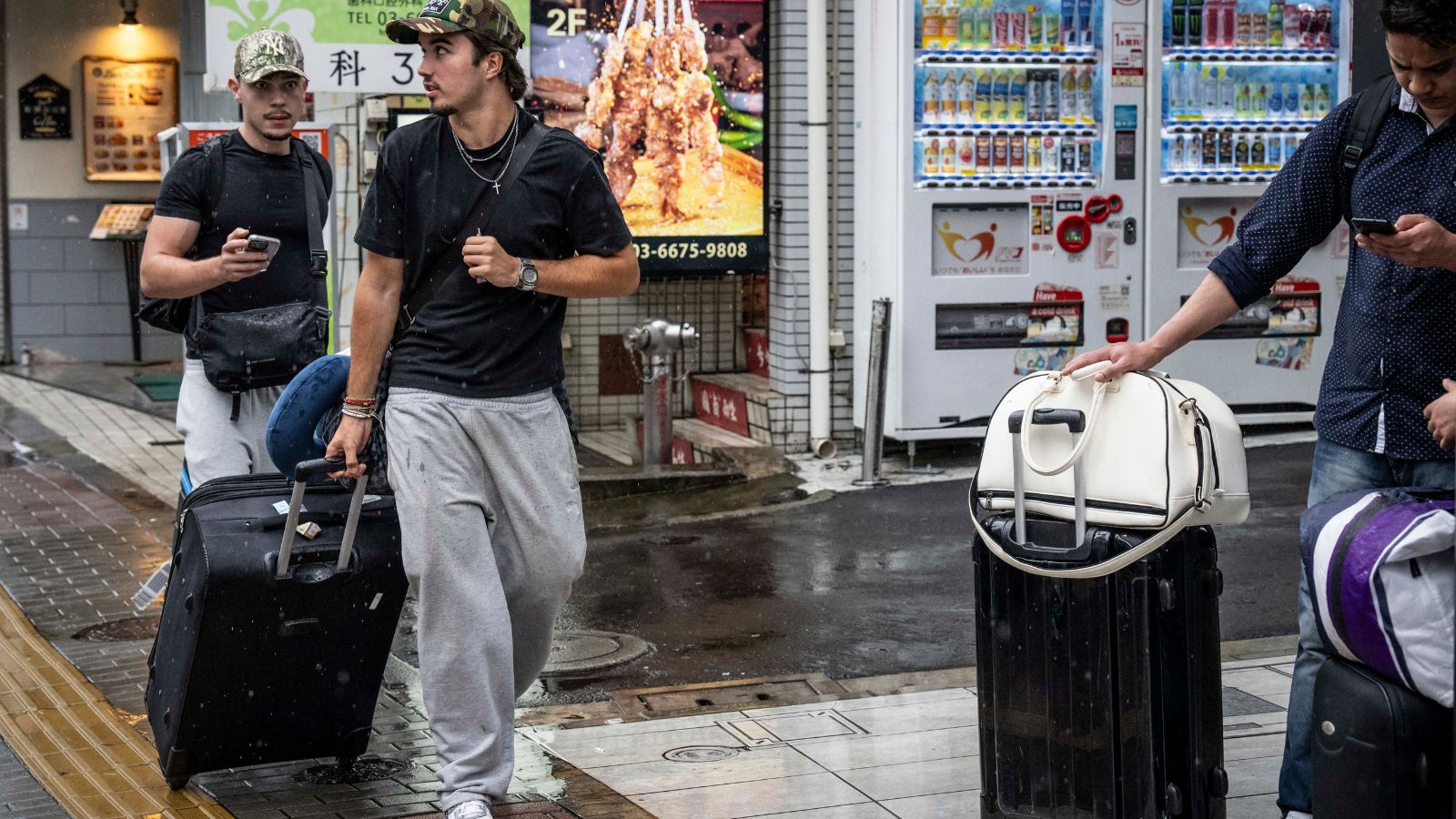
Across the hallway, a retired schoolteacher named Tanaka listens to the fourth rolling suitcase of the evening crash against the stairwell wall. It is eleven o'clock on a Tuesday. Tanaka has to wake up at five to tend to his garden and prepare for his community patrol duties. He does not know the names of the people rolling the suitcases. He will never know them. By Sunday, they will be gone, replaced by a new set of strangers struggling with the complicated Japanese symbols on the trash-sorting manual taped to the refrigerator. The Points Guy has also covered this important subject in great detail.
Shinjuku is changing. More than half of its registered holiday rentals are about to vanish.
This is not a story about bureaucratic overreach or real estate portfolios. It is a story about the fragile architecture of neighborly trust, and what happens when an entire city wakes up to find it has been rented out from underneath itself.
The Geography of Disruption
To understand the sudden crackdown on short-term rentals in Tokyo's busiest ward, you have to walk the streets.
Shinjuku is a maze of sensory contradiction. Neon towers pierce the smoggy sky above Kabukicho, while two blocks away, residential lanes are so narrow that two bicycles can barely pass without a polite bow of the handlebars. For decades, these residential pockets operated on a strict, invisible social code. Everyone knew who lived at number four. Everyone knew whose cat liked to sleep on the low concrete walls.
Then came the boom.
Tourism in Japan did not just grow; it exploded into a staggering wave of global curiosity. Millions arrived with smartphones, translated maps, and an appetite for authentic local living. Residential properties transformed into high-yield mini-hotels.
(Note: According to recent municipal data, the ward administration plans to effectively ban or heavily restrict over fifty percent of these accommodations due to an unprecedented surge in resident complaints.)
Complaints piled up at ward offices like uncollected autumn leaves. There were overflowing garbage bins filled with plastic bottles thrown into days meant for paper. There were loud arguments in stairwells at two in the morning, born from guests who had no idea that thin walls in Tokyo function like paper membranes. There were lost tourists wandering into private backyards, looking for a doorway that looked identical to every other gray facade on the block.
Tanaka put it simply during a neighborhood association meeting last autumn. We used to live with neighbors, he said. Now we live with rotating doors.
The Anatomy of a Midnight Visitor
Consider a hypothetical traveler named Sarah.
Sarah lands at Haneda Airport after a grueling fourteen-hour flight. She is exhausted, disoriented, and clutching her phone with a dying battery. She finds her way to Shinjuku, navigating the labyrinthine underground corridors of the world's busiest train station.
She finds the apartment building at 2:00 AM. In her fatigue, she forgets to lower her voice. She drags her heavy-wheeled suitcase across the concrete apron, the sound echoing off the aluminum siding of adjacent homes. She struggles with the keypad. The light bulb in the entryway is motion-activated, but it takes three tries of frantic waving to turn it on.
To Sarah, this is the beginning of her dream Japanese adventure. She paid her money, followed the platform rules, and just wants to sleep.
To the mother sleeping directly through the wall with a teething infant, Sarah is a disruption. She is the fourth such disruption this week. The cumulative fatigue of a neighborhood turns into quiet resentment, which turns into formal complaints, which eventually lands on the desk of city planners who realize they must choose between the global tourist economy and the domestic peace of their citizens.
This tension is not unique to Tokyo. Barcelona, Venice, and New York have all wrestled with the same ghost towns created by the flight of permanent residents in favor of lockboxes. But Tokyo's approach is uniquely surgical, relying on strict caps, mandatory host presences, and the heavy hand of municipal regulation.
The Unseen Cost of Convenience
We have built a world that prizes seamlessness above all else. We want everything available instantly, frictionless, and tailored to our individual desires.
Yet, community requires friction. It requires the slow, awkward work of learning how to live next door to someone who is different from you. When houses become commodities traded on a digital exchange, that friction disappears—and with it, the community itself.
When over half of Shinjuku's holiday rentals go dark under the new restrictions, it will not solve every housing woe. Property prices will remain high. The allure of Tokyo will continue to draw millions.
But something vital will shift back into place.
In the quiet hours before dawn, the stairwell will fall silent again. The rolling suitcases will stop their rhythmic clatter against the walls. And Tanaka might finally sleep through the night, knowing that the person behind the door is not a rotating statistic, but a neighbor.