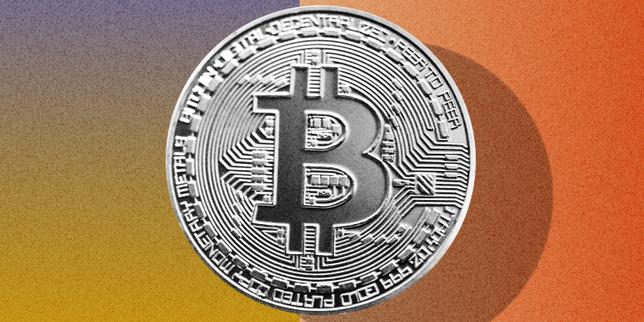
Thomas did not sleep on the night of December 29. He sat in the glow of three monitors in his small apartment in Lyon, watching a green and red chart flicker like a dying neon sign. For five years, this screen was his digital backyard. He had bought tokens that sounded like jokes, watched his life savings double in a weekend, and felt the sickening lurch of losing half of it by Tuesday breakfast.
He loved the lawlessness. It felt like being part of a secret club that the suits in Brussels simply did not understand.
But as the clock ticked past midnight into a new era, Thomas felt a chill that had nothing to do with the winter air. The Markets in Crypto-Assets regulation—MiCA, as the bureaucrats called it—was no longer a distant threat drafted in a sterile committee room. It was here. The European Union had just pulled the curtain on the Wild West.
For millions of European savers who have dipped their toes into the digital asset pool, everything just changed. Not because the technology died, but because it grew up. And growing up is rarely painless.
The Illusion of the Safe Harbor
To understand why this matters to anyone with a few hundred euros tucked away in Bitcoin, you have to understand the old lie of the crypto boom. The lie was that you were completely in control.
Consider Sarah. She is a 34-year-old high school teacher from Toulouse. She does not care about blockchain architecture or decentralized governance protocols. She cared about inflation. When her traditional savings account was yielding pennies, a sleek smartphone app promised her 8% annual returns if she converted her euros into "stablecoins"—digital tokens pegged to the US dollar or the euro, designed to act as predictable safe harbors in the volatile crypto storm.
Sarah thought she was being smart. She thought a stablecoin was as safe as a bank deposit, just with better tech.
It was a mirage. When a major global algorithmic stablecoin collapsed into dust a few years ago, billions of euros vanished globally overnight. Savers opened their apps to find their "stable" balances reading zero. There was no manager to call. No deposit insurance kicked in. The police could only take a report that would sit in a digital stack forever.
Under the new European rules, that specific nightmare is being systematically engineered out of existence. The EU did not just slap a warning label on these assets; they rebuilt the foundation.
Now, any company issuing a stablecoin within Europe must hold actual, ironclad reserves of cash or high-quality assets. These reserves cannot be hidden in an offshore shell company in the Cayman Islands. They must be legally segregated from the company’s own operational funds. If the company goes bankrupt, the savers get their money back first.
More importantly, issuers must now grant users a permanent right of redemption. If Sarah wants her euros back, the platform cannot freeze her account under the guise of "technical maintenance." They must pay her. Period.
The Cost of the Clean Velvet Rope
But security is a luxury good, and luxury always comes with a bill.
Walk into any traditional bank. You are met with marble floors, cameras, security guards, and a mountain of paperwork before you can open a checking account. This infrastructure costs money, which the bank recoups through fees, lower interest rates, and rigid compliance checks.
Crypto operated on the opposite premise. It was lean. It was fast. Anyone with an internet connection could swap assets in seconds.
Now, European crypto exchanges and service providers must operate like mini-Wall Street firms. They need physical offices in Europe. They need minimum capital reserves. Their directors must pass fit-and-proper tests to prove they are not convicted fraudsters. They must publish detailed, jargon-free "white papers" that can be legally scrutinized, making them liable for misleading statements.
This means the small, quirky platforms Thomas loved—the ones offering bizarre, exotic tokens with names based on internet memes—are quietly shutting down their European operations. They cannot afford the lawyers. They cannot absorb the compliance costs.
The immediate result for the average saver is a dramatic shrinking of the menu.
The dozens of colorful, speculative choices that defined the early days of crypto are being replaced by a curated selection of heavily vetted, compliant assets. It is safer, yes. But the thrill of the hunt is gone. The potential for astronomical, lottery-like gains is being ironed out by regulatory compliance. The digital frontier is being paved, zoned, and fitted with streetlights.
The Invisible Border Controls
There is an even deeper shift happening beneath the surface, one that touches on the very philosophy of why people turned to digital currencies in the first place.
Bitcoin was born from a desire for financial privacy. It was a peer-to-peer system that did not care about your name, your nationality, or your tax bracket. It only cared about cryptographic keys.
The new European framework, paired with updated anti-money laundering directives, effectively ends anonymity for the casual user. The "Travel Rule" has arrived. When you send crypto from one platform to another, your name, account number, and official identification details must travel alongside the transaction, just like a traditional wire transfer. Even transfers to private, unhosted wallets—the digital equivalent of keeping cash under your mattress—are facing intense scrutiny and reporting thresholds.
For Thomas, this felt like a betrayal. He viewed his crypto wallet as his private digital property. The idea that a bureaucrat in Frankfurt could trace his transaction history made him feel exposed.
But for Sarah, this change was the only thing that would ever convince her to trust the ecosystem again. She did not want to share a financial network with hackers, ransomware operators, and tax evaders. She wanted a clean neighborhood.
This is the central tension of the new era. To make crypto safe for the masses, regulators had to strip away the very traits that made it appealing to its pioneers. To save the asset class, they had to conventionalize it.
The New Shape of Your Savings Account
So where does this leave the ordinary person trying to navigate this landscape?
The line between a traditional bank account and a crypto wallet is blurring. In the coming years, you will likely see your high-street bank offering Bitcoin alongside your standard savings products. They will do this because the rules are now clear enough for conservative institutional lawyers to approve the move.
The wild volatility will likely dampen. The sudden, catastrophic failures of major European exchanges will become rare anomalies rather than regular Tuesday headlines.
But do not mistake this regulated environment for a risk-free paradise. The EU can mandate that a stablecoin issuer holds real reserves, but it cannot stop the price of Bitcoin from dropping 30% in a week because of macroeconomic shifts in Asia or the Americas. Market risk remains entirely yours to bear. The state will protect you from fraud, but it will not protect you from a bad investment.
Thomas closed his laptop as the sun began to rise over the rooftops of Lyon. The charts were still ticking, but the atmosphere felt different. The wild, lawless party he had joined half a decade ago was over. The lights had been turned up, the music was lowered, and the bouncers were checking IDs at the door.
He looked at his account balance. He didn't sell his positions. He realized that while he missed the lawless romance of the early days, he also didn't want to lose everything to a midnight hack or a platform collapse.
The frontier had been settled. The town square was built. Now, everyone just had to decide if they wanted to live in it.