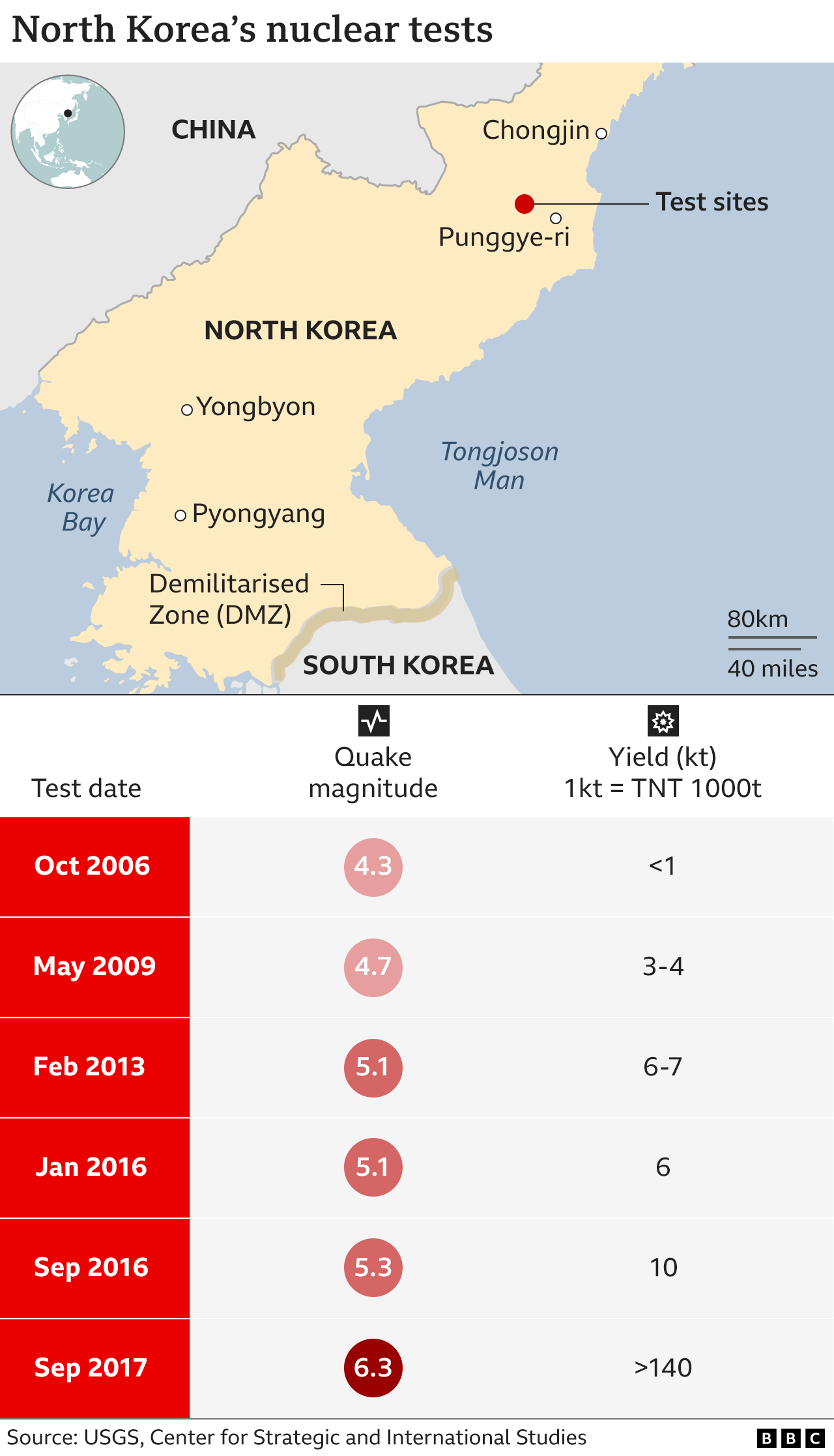
Pyongyang knows how to read a room. Every time the United States and South Korea adjust their military posture or trim the size of their joint exercises, North Korea interprets it as a signal. It’s rarely the signal Washington intends. Instead of seeing a diplomatic olive branch, Kim Jong Un sees a chance to flex his nuclear muscles.
The recent report that North Korea fired a suspected ballistic missile just as Washington and Seoul announced a reduction in their annual military drills isn’t a coincidence. It’s a calculated political maneuver. You see this pattern repeat endlessly. The North waits for a perceived moment of weakness or distraction, then fires a projectile to remind the world that they aren't going anywhere.
Understanding this dynamic requires looking past the headlines. It isn’t just about the hardware—the rockets, the fuel, or the range. It’s about the psychology of deterrence. When the US dials back joint exercises, the stated goal is often to lower tensions or facilitate potential dialogue. But in the reality of East Asian security, that move often backfires. It creates an opening for the North to dominate the narrative.
The Problem With Scaling Back Exercises
Washington often justifies reducing the scope of military drills as a way to avoid provoking Pyongyang. They call it strategic restraint. I call it a gamble that rarely pays off.
Think about the message this sends to a regime that views military strength as its primary currency. If the US and South Korea perform smaller, less frequent drills, Pyongyang doesn't sit back and relax. They assume the alliance is becoming hesitant. This emboldens them. They want to prove that they can continue their weapons development regardless of what the Americans decide to do with their training schedule.
We have seen this cycle since at least the late 2010s. The summits were supposed to fix it. The personal diplomacy was supposed to change the calculus. Yet, the missile launches keep happening. The technology gets more sophisticated. The range of their missiles now theoretically covers the entire continental United States. Scaling back exercises doesn't bring them to the table. It just gives them more time to refine their capabilities without the constant presence of allied aircraft and naval assets watching their every move.
Why Japan Is Always Watching
You’ll notice that Japan is often the one raising the alarm loudest when these launches occur. That’s not a coincidence. While the US and South Korea deal with the immediate bilateral friction, Japan sits directly in the crosshairs of North Korean medium-range ballistic missiles.
Japan’s perspective is much more immediate and existential. They don’t have the luxury of viewing these tests as mere diplomatic posturing. When a missile flies over their territory or lands in their exclusive economic zone, the political pressure in Tokyo to respond intensifies. This often forces the Japanese government to shift its own defense policy toward more aggressive posture, including potential counter-strike capabilities.
This is the hidden cost of the current strategy. The US might think they are calming the situation by limiting drills, but they are actually driving a wedge between their own allies. If Japan feels the US is being too soft, they look toward their own independent defense. That complicates an already tangled mess of regional alliances.
Breaking Down the Technical Signal
It’s easy to dismiss these launches as just another headline. But look at the technical progression. Over the past few years, we've seen Pyongyang shift from liquid-fueled missiles—which take hours to prep and are easy to spot on satellite—to solid-fueled systems.
Solid fuel is a game-changer for them, even if I hate using that phrase. It allows for rapid launch times. You can hide a truck-mounted launcher in a mountain tunnel, drive it out, fire within minutes, and disappear. When we scale back the types of reconnaissance exercises that would usually track these movements, we are effectively losing our ability to monitor their most dangerous shifts in technology.
Don't let anyone tell you these are just "test fires." Each launch provides data. They refine the guidance systems. They test the re-entry vehicles. Every test makes their arsenal more reliable. Even a failed test provides valuable telemetry data that allows them to fix the next one. They aren't doing this for the media. They are doing this for engineering.
What Actually Matters Moving Forward
If we want to stop this cycle, we have to stop thinking that North Korea is waiting for the "right" diplomatic offer. They aren't. Their leadership has staked its legitimacy on the possession of a nuclear deterrent. They won't give it up for promises of economic aid or a seat at a summit.
We need to acknowledge that the current approach is running on fumes. Here is how you should look at the situation:
- Stop equating restraint with peace. Scaling back drills should only happen if there is a tangible, verified reciprocal action from the North. Without a quid pro quo, it is just a unilateral concession.
- Prioritize regional intelligence integration. The US, South Korea, and Japan need a more unified, real-time data-sharing network. If the North wants to test, they should know that every move is being tracked by all three countries simultaneously.
- Focus on missile defense. Since we know they will continue to test, the priority must be upgrading the interceptor capabilities in the region. We have to prepare for the reality that these weapons exist and aren't disappearing.
The next time you see a report about a "suspected ballistic missile launch," ignore the fluff about diplomatic tensions. Look at what was tested and where it landed. That is the only signal that matters. The North is building a military capability that ignores your politics. It is time we start reacting with that same clarity. Keep your eyes on the procurement of new interceptors and the tightening of intelligence-sharing agreements. That is where the real security happens.