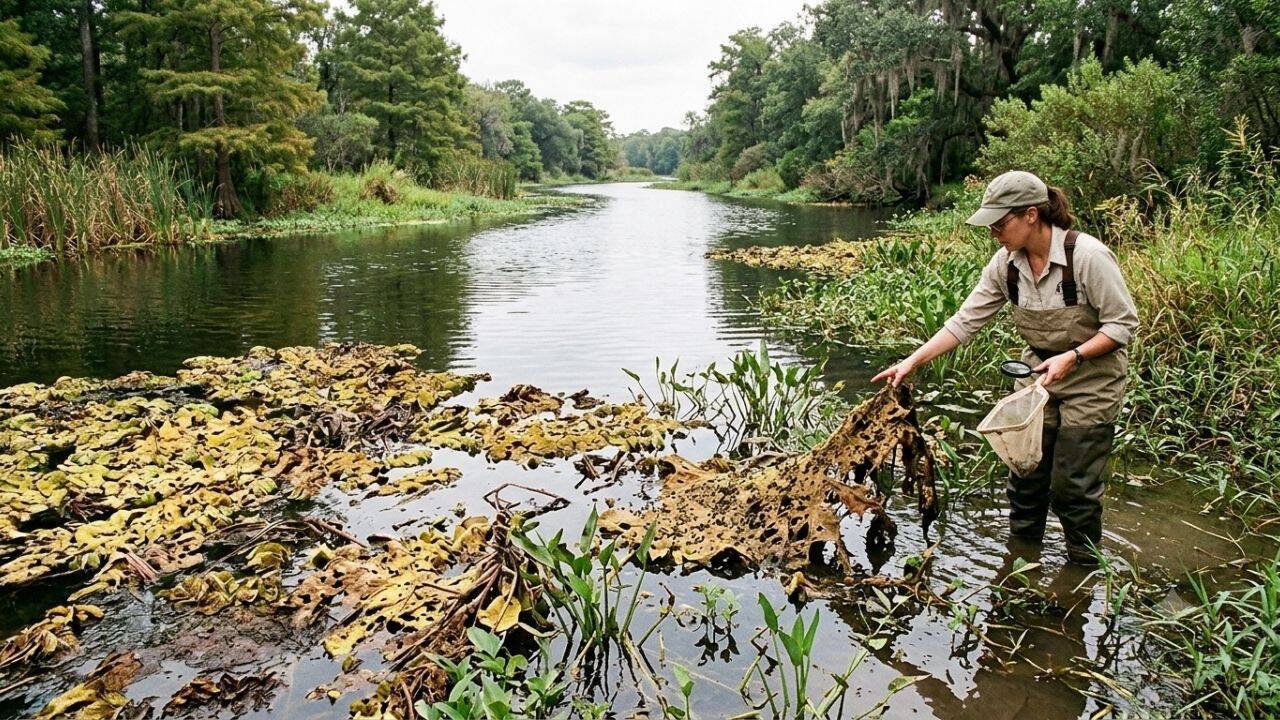
Environmental journalists love a tidy fable. Hand them a story about 880 tiny beetles dropped into Texas backwaters that allegedly solved a multi-million-dollar invasive weed crisis by 2003, and they lose their minds. The lazy narrative runs on autopilot: plucky scientists, microscopic heroes, mother nature healing herself through targeted entomology, zero chemical runoff.
It makes for comforting reading. It is also deeply misleading.
I have watched state agencies and environmental consultancies blow millions of dollars chasing the ghost of that specific 2001 USDA release, trying to replicate a statistical anomaly across radically different climatic and hydrological systems. The lazy consensus treats biological control as a set-it-and-forget-up grade school science fair project. Throw bugs at a weed, watch the weed vanish, pour champagne.
The reality of Cyrtobagous salviniae is far more complicated, far more fragile, and a cautionary tale about treating complex aquatic ecosystems like predictable software patches.
To understand why the common take is a fairy tale, you need to look at what actually happened after the cameras stopped rolling.
The Baseline Fallacy of Biological Control
Everyone loves quoting the headline numbers from that original Aquatic Botany study. Giant salvinia coverage dropped from choking mats down to one percent at the primary test sites. Biomass collapsed from over one hundred tons per acre to under two.
What the puff pieces omit is the high rate of failure that preceded and followed that snapshot. The initial 1999 release in Texas completely flatlined. The bugs died off because of uncoordinated herbicide treatments, fluctuating water levels, and simple environmental mismatch. Even during the successful 2001 run, success was hyper-localized to specific water bodies where winter temperatures did not plummet enough to wipe out the cohort.
Imagine a scenario where a company deploys expensive software to fix a broken supply chain without checking if the local servers have electricity. That is what dumping specialized South American weevils into freezing north Texas reservoirs looks like on paper.
When winter hits hard, the weevils freeze. When a severe drought hits, the floating fern mats desiccate, and the weevil population starves or bakes. The system is dynamic, volatile, and entirely dependent on microclimates. Calling it a permanent fix is professional malpractice.
The Host-Specificity Myth
Proponents of classical biological control lean heavily on the idea that insects like the salvinia weevil are laser-focused executioners. They eat Salvinia molesta and nothing else. They starve if the weed disappears.
This is true under pristine lab conditions. In the messy, mutagenic real world, biological dynamics shift. When you introduce an obligate herbivore into a non-native landscape, you are tampering with a trophic web that has no native checks or balances for the predator itself. While Cyrtobagous salviniae has largely behaved itself regarding agricultural crops, the broader history of classical biocontrol is littered with spectacular, unintended ecological catastrophes. Think of cane toads in Australia or the introduction of mongooses in the Caribbean.
We glorify the weevil because it worked out in a few isolated southern bayous and Texas reservoirs. We conveniently ignore the dozens of other biological control projects that either did nothing or required continuous, expensive human intervention to prop up dying insect colonies.
Stop Expecting Silver Bullets
The real question waterway managers should be asking is never "What single organism can we unleash to eradicate this invasive plant?" That question assumes nature operates like a mechanical clock where you can swap out a single gear.
Nature is a chaotic network. Giant salvinia thrives because nitrogen loading from agricultural runoff turns our waterways into high-octane hydroponic nutrient baths. The weed is merely a symptom of upstream chemical pollution and mismanaged watershed hydrology.
If you clear the weed with weevils without fixing the nitrogen saturation in the water column, you have solved nothing. You have simply cleared the real estate for the next hyper-aggressive colonizer to take its place.
The actual solution requires a multi-pronged, unglamorous grind. It means combining mechanical harvesting, targeted, low-impact herbicide windows, stringent nutrient runoff controls at the municipal and agricultural level, and localized biological stocking tailored strictly to thermal refuges. It is messy work. It does not fit into a neat press release about 880 tiny beetles.
Stop looking for biological magic tricks. Fix the water, manage the nutrients, and accept that keeping an ecosystem balanced is an infinite maintenance loop, not a one-time deployment.


