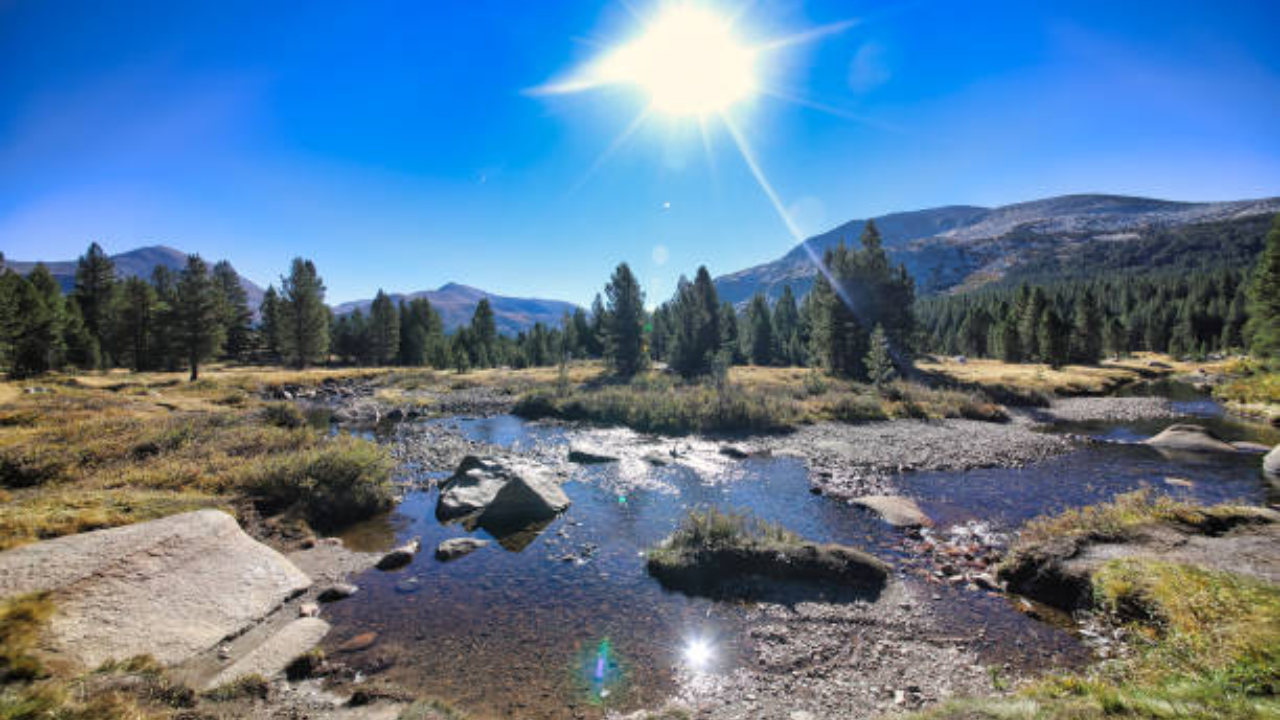
A quiet property transaction in rural America reveals a stark financial reality about modern conservation. When a career educator placed a conservation easement over 128 acres of forests, wetlands, and stream frontage, local headlines praised the altruism. The narrative focused entirely on the protection of local wildlife corridors and the preservation of natural habitats for future generations. That version of events ignores the underlying financial mechanics that make such preservation possible.
Conservation easements are rarely simple acts of pure charity. They function as sophisticated financial and legal instruments traded between private landowners, land trusts, and federal tax agencies. Understanding how this particular educator managed to shield 128 acres of ecologically sensitive land from subdivision requires looking past the pastoral imagery and examining the tax code, real estate valuations, and the quiet economics of land preservation.
The Financial Mechanics of Preservation
Real estate development pressure rarely stops at the edge of town. Land values escalate as sprawling suburbs push outward, turning rural acreage into high-tax liabilities for property owners living on fixed or modest incomes. For a schoolteacher, holding 128 acres of prime timber and wetland without commercial exploitation becomes an increasingly expensive proposition. Property taxes climb, estate planning gets complicated, and developers circle with offers that look irresistible to someone watching a pension lose ground to inflation.
A conservation easement changes the equation by permanently stripping development rights from the title. The landowner retains ownership and can typically still use the land for forestry, agriculture, or private enjoyment, but they legally surrender the right to pave, subdivide, or build dense housing.
This legal sacrifice carries a distinct economic valuation. By permanently diminishing the commercial value of the property, the owner generates a massive charitable deduction against federal income taxes. In many cases, this tax relief provides the liquidity necessary to keep the land intact across generations, preventing the forced sale that usually follows an owner's death due to estate tax burdens.
What the Public Gets Wrong About Easements
Mainstream reports frequently frame land conservation as a triumph of sentiment over commerce. This perspective misses the mark. Land trusts do not operate on goodwill alone; they operate through rigorous legal scrutiny, baseline documentation reports, and ongoing monitoring obligations.
When a property like this 128-acre parcel enters a protected corridor, local municipalities lose potential property tax revenue that would have accompanied future residential or commercial subdivisions. This creates a silent friction between conservation goals and municipal tax bases. Towns need revenue for schools and infrastructure, yet large swaths of permanently protected land take away the traditional growth avenues that generate those funds.
At the same time, the public receives distinct ecosystem services that never show up on a balance sheet. Clean water filtering through undisturbed wetlands reduces municipal water treatment costs. Intact forest canopies sequester carbon and mitigate localized flooding. Wildlife corridors maintain genetic diversity among regional populations of migratory species, preventing the habitat fragmentation that destroys local ecosystems.
The Anatomy of the 128-Acre Corridor
The specific parcel in question sits within a critical migratory pathway. Ecologists have tracked declining populations of amphibians and migratory birds throughout the region, largely driven by the steady conversion of forest floors into asphalt and lawns.
A stream bisecting the property serves as a vital tributary to a larger watershed supplying drinking water to downstream communities. Protecting the riparian buffers along this watercourse prevents agricultural runoff and soil erosion. Trees drop organic matter into the stream, feeding macroinvertebrates that support local fish populations. Every acre left untouched acts as an invisible sponge and filter.
Yet, protecting land does not mean freezing it in a permanent glass case. Ecological stewardship requires active management. Invasive species threaten native understories, and climate shifts alter historical weather patterns, making forests more vulnerable to disease and windthrow. The landowner and the holding land trust must draft management plans that address these threats, occasionally utilizing selective timber harvesting or controlled burns to maintain ecological health. Preservation is an active, ongoing responsibility rather than a passive signature on a legal document.
The Broader Trend in Private Conservation
Private landowners now control the majority of contiguous forest and wetland acreage in the country. Public agencies lack the capital to purchase every vital wildlife corridor outright. Consequently, conservation easements have become the primary tool for safeguarding environmental integrity without bankrupting state or federal treasuries.
This reliance on private initiative creates a patchwork quilt of protection. Wealthy landowners can utilize these legal mechanisms with ease, while middle-class property owners often struggle with the upfront costs of baseline studies, legal fees, and appraisals required to secure an easement. Programs that help cover transaction costs bridge this gap, allowing individuals of modest means—like career educators—to participate in landscape-scale conservation.
The 128-acre easement is a victory for local biodiversity, but it is also a testament to strategic financial planning within a complex regulatory framework. As development pressures mount across rural corridors, the future of our natural landscapes will depend less on romanticized notions of preservation and more on the pragmatic, enforceable mechanics of property law.