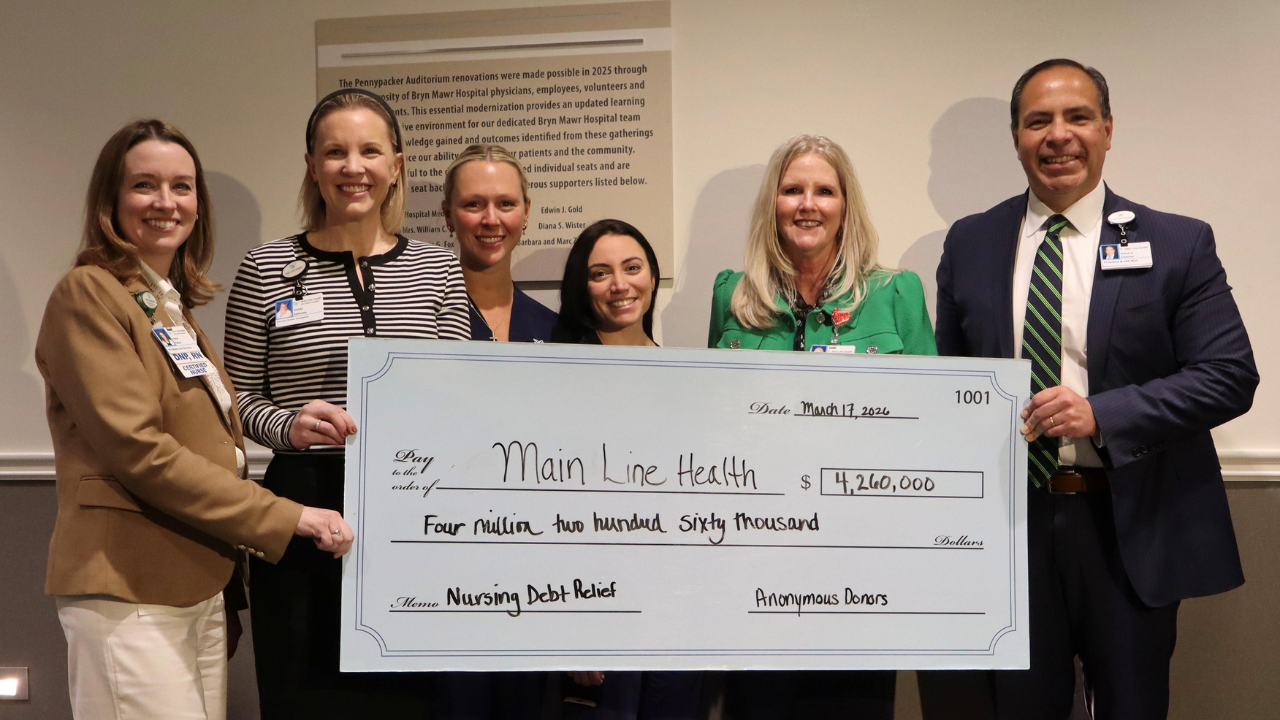
A million dollars sounds like a massive fortune until you distribute it across a hospital floor. Recently, an anonymous benefactor handed over a seven-figure check specifically to clear student loans for hard-pressed hospital staff. Headlines celebrated the generosity. Nurses cried tears of relief. Social media flooded with applause.
Then the math hit reality.
When you divide that kind of money among hundreds of healthcare workers crushed by five-figure and six-figure education debt, you realize it is basically a drop in a burning bucket. You get a headline-grabbing act of charity, but the underlying system remains entirely broken. We love stories about wealthy saviors riding to the rescue because they let us ignore the structural rot underneath.
If you talk to anyone working shifts on a modern medical-surgical unit, they will tell you the truth nobody wants to print. One-off donations make great press releases, but they do not solve the retention crisis, and they certainly do not pay the bills for the other ninety-nine percent of clinicians left holding their breath and their loan statements.
The Brutal Math Behind Nursing School Debt
Let us look at the actual numbers because nobody else seems willing to do it honestly. The average registered nurse graduates with tens of thousands of dollars in student loans. Many who went back to school for advanced degrees or specialized certifications carry double or triple that amount.
When an anonymous donor drops a million dollars into a hospital system, administrators usually distribute it through a lottery, a raffle, or a selective application process. A lucky few dozen get their entire balance wiped clean. The rest go right back to logging into their loan servicer portals every month and watching interest capitalize.
It creates bizarre workplace dynamics. Two people working the exact same exhausting twelve-hour shift, handling the same heavy patients, and absorbing the same verbal abuse from families might experience completely different financial realities simply because one won a debt-relief lottery. That destroys morale faster than low pay ever could.
Charity is fine. We should never look a gift horse in the mouth when people are struggling. But treating philanthropy as a substitute for fair compensation is a massive mistake. Hospitals pull in billions in revenue while relying on external donors to fix the financial emergencies of their frontline workforce. That should make you angry.
Why Burnout Outpaces Financial Band-Aids
You cannot out-donate a toxic workplace culture. Throwing money at student loans acts like putting a fresh coat of paint on a house with a rotting foundation. It looks good for a minute, but the walls are still caving in.
Burnout happens because nurse-to-patient ratios are dangerously high. Burnout happens because moral injury accumulates every time a clinician has to rush through a twelve-hour shift without taking a bathroom break or eating a meal. Paying off a student loan feels incredible, but it does not make the next shift any less chaotic or understaffed.
I have watched brilliant clinicians walk away from bedside care not because of their monthly loan payments, but because they simply could not take the mental toll anymore. They walked away to work in remote utilization review, pharmaceutical sales, or aesthetic clinics where nobody screams at them or bleeds on their shoes.
When private donors step in, they often focus on debt because it sounds tangible. It makes for clean metrics in an annual report. "We helped wipe out fifty debt accounts!" sounds amazing on a slide deck. But it ignores the structural reasons why those nurses needed help in the first place: stagnant wages, soaring tuition costs, and punishing work environments.
What Real Support Actually Looks Like
If hospital executives and philanthropists genuinely want to fix the crisis facing the profession, they need to shift their focus from random acts of charity to sustainable business practices.
First, tuition reimbursement needs to be baked into every employment contract as a baseline operational cost, not funded by the kindness of strangers. If an organization requires a specialized credential or a degree, they should subsidize it directly over time as a condition of employment.
Second, we need radical transparency around compensation. Hospitals should tie retention bonuses and loan assistance programs to universal benchmarks rather than arbitrary lotteries. If you work fifty hours a week in an intensive care unit, you should earn enough to chip away at your principal balance without needing a lottery win or a billionaire's pity.
Finally, stop treating healthcare workers like martyrs who should feel grateful for crumbs. The heroism narrative is a trap. It lets institutions demand endless sacrifice while underpaying the very people keeping their doors open.
A million-dollar gift is nice for the twenty people who hit the jackpot. For the rest of the profession, it is just another reminder that the system relies on luck instead of justice. Until we fix pay scales, improve working conditions, and make education affordable from the start, these feel-good stories will just keep masking a slow-motion collapse.