Everyone expected a phone. When Sam Altman and former Apple design legend Jony Ive teamed up, the tech world immediately started dreaming of a sleek, screen-heavy "iPhone killer" designed to pull us away from our current screens.
Instead, we are getting a speaker. A screenless, battery-powered speaker that physically moves.
According to a fresh leak from Mark Gurman at Bloomberg, OpenAI’s first hardware device is a portable, screenless smart speaker built to serve as an active AI companion. Naturally, the internet is already laughing. Critics are pointing to the spectacular failures of screenless AI pins and orange walkie-talkie pocket devices, asking why anyone would pay for a speaker that forces you to listen to verbose AI readouts instead of just glancing at a screen.
They are missing the point. If you look closely at what OpenAI is actually building, this weird little device might be the first AI hardware that makes sense.
Why Screens Are the Enemy of True AI Companions
Modern AI startups keep making the same mistake. They build devices that try to compete with your smartphone. That is a losing battle. Your phone is a highly optimized dopamine machine, backed by millions of apps and a decade of muscle memory.
OpenAI isn't trying to replace your phone. They are trying to replace your passive smart speakers.
Think about the Amazon Echo or Google Nest sitting in your kitchen. They are basically voice-activated egg timers. They are dumb, passive, and completely disconnected from your actual life. You ask for the weather, it tells you. You ask it to play music, it plays it. That is it.
The rumored OpenAI device wants to be an active presence in your house. Because it lacks a screen, it forces a shift in how you interact with computers. You don't stare at it. You talk to it like a person.
- It actually moves. The speaker reportedly features mechanical elements that shift and move on their own during interactions. It is designed to feel alive, not like a plastic hockey puck.
- It sees you. An integrated camera and sensors let the device read the room, recognizing who is talking and what they are doing.
- It knows your life. Unlike a locked-down Siri or Alexa, this device is designed to hook directly into your personal data, including your emails and calendars.
The Proactive Assistant We Were Promised
The real difference between this device and the dusty Echo Dot on your shelf is proactivity.
Right now, smart assistants only speak when spoken to. OpenAI wants a machine that nudges you. Bloomberg's report described an internal presentation where the device observed a user’s schedule and proactively suggested actions, like gently nudging them to go to bed early because they had an intense morning meeting scheduled the next day.
It does this by utilizing GPT-Live, the voice engine OpenAI rolled out recently. GPT-Live can listen and talk at the same time, interrupt itself, and pick up on vocal cues instantly.
Imagine cooking in the kitchen. You carry this battery-powered device from the living room and set it on the counter. Because it has a camera, it sees the ingredients you have out. It doesn't wait for you to ask for a recipe. It notices you are struggling with a prep step and offers a quick tip. It feels less like operating software and more like having a knowledgeable friend hanging out with you.
The $6.5 Billion Apple Shadow War
You can't talk about this device without talking about the massive legal drama unfolding in the background. Just last week, Apple slapped OpenAI with a major lawsuit, accusing the company of systemic trade-secret theft.
The connection is obvious. OpenAI bought Jony Ive’s hardware startup, io Products, for a staggering $6.5 billion last year. Since then, they have hired over 400 former Apple employees, including Evans Hankey, Apple's former head of industrial design, who is reportedly leading the speaker project.
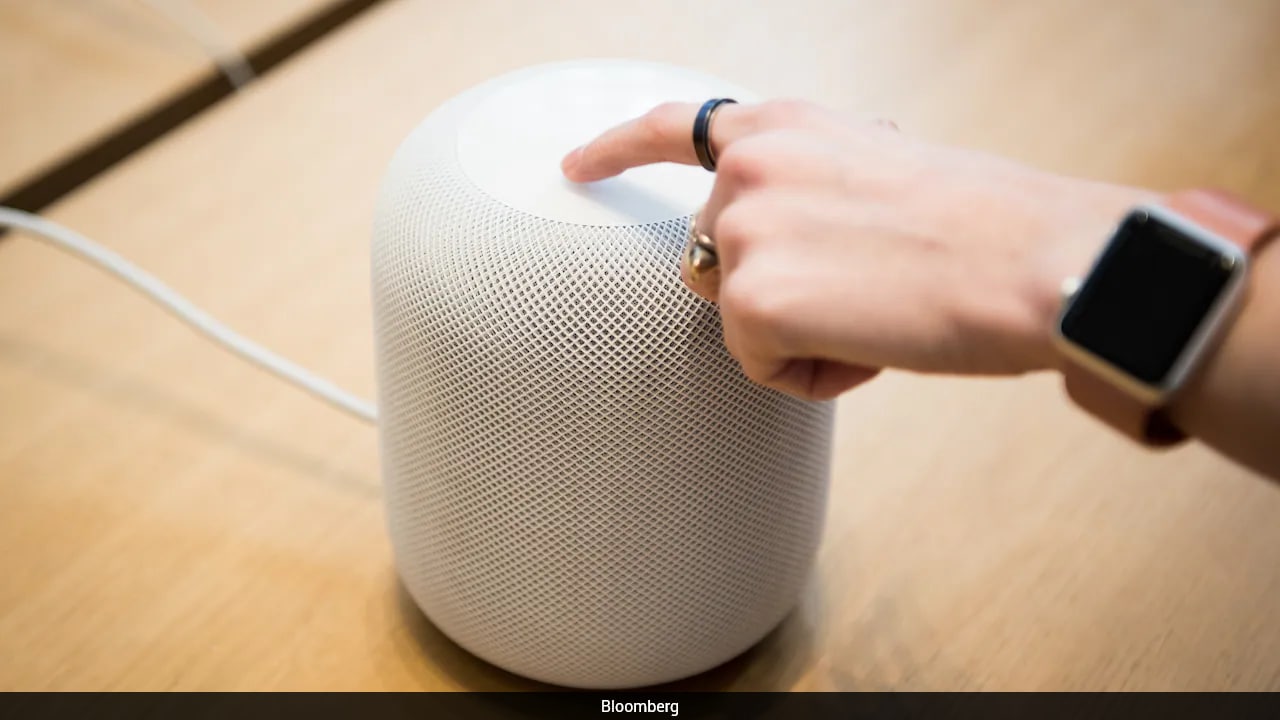
Apple is clearly terrified. They are quietly working on their own tabletop robotic home devices, and they do not want OpenAI beating them to the punch. OpenAI claims their speaker is completely different from anything Apple currently offers. Technically, they are right. Apple’s HomePod is a dumb speaker tied to a static ecosystem. OpenAI is building an actual computer designed from the ground up for agentic AI.
The Real Hurdle Is Not the Tech
Let's be honest about the elephant in the room.
An always-listening, camera-equipped device that reads your emails and watches you move around your house is a privacy nightmare. OpenAI has to convince a highly skeptical public to let an active camera from an AI company sit on their bedside tables and kitchen counters.
If they price this thing between $200 and $300 as rumored, people will buy it out of sheer curiosity. The hardware is reportedly targetting a late 2026 reveal with a 2027 ship date, manufactured by Foxconn.
If you want to prepare for this shift, stop thinking about AI as an app on your phone. Start thinking about how you would structure your daily routine if you had an assistant that could actually hear, see, and help you without you ever needing to look at a screen. Start organizing your digital life, clean up your messy email folders, and get ready for a world where your computer doesn't live in your pocket, but walks—or rolls—beside you.