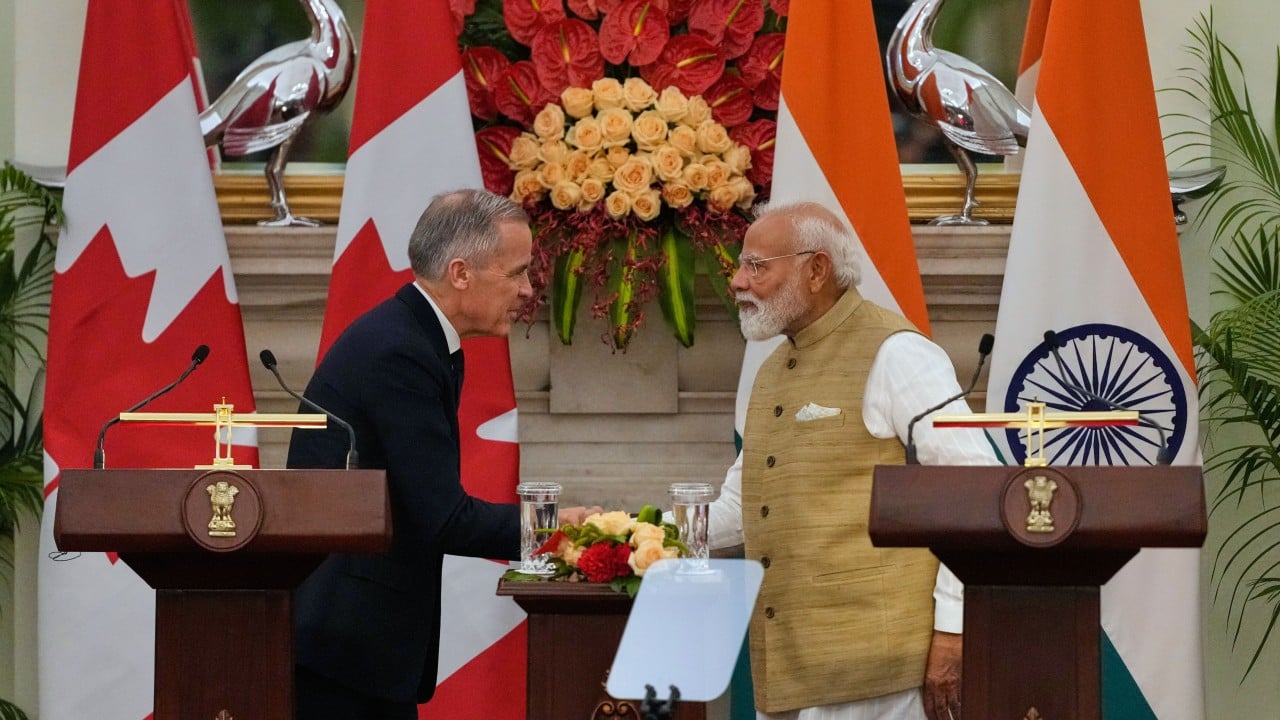
Every headline right now parrots the same lazy narrative. Ottawa panics as Washington stumbles, so Canadian trade officials pack their bags for New Delhi, desperate to resurrect a stalled Comprehensive Economic Partnership Agreement. The conventional wisdom says this is a marriage of necessity. Two middle powers squeezed by American protectionism and Chinese expansionism, locking arms out of pure geopolitical survival.
It is a comforting fantasy for editorial boards. It is also complete nonsense.
I have spent the better part of two decades watching bilateral trade talks collapse into photo opportunities. I sat in rooms where bureaucrats drafted high-minded communiques about mutual prosperity while knowing full well their domestic constituencies would never swallow the concessions required to make them real. The current flurry of diplomatic theater between Canada and India is not a sudden epiphany born of fraying American ties. It is a calculated exercise in signaling. Both capitals are waving a flag they have no intention of planting.
To understand why this renewed push for a trade pact is an exercise in empty calories, you have to look past the press releases and examine the structural deadlocks that killed these negotiations in the first place.
The Supply Management Trap And Agricultural Protectionism
Let us start with the dirty secret Canadian politicians refuse to whisper in public: Canada’s agricultural lobby owns Ottawa’s trade agenda. Whenever an international trade negotiation reaches the brass tacks stage, the conversation inevitably crashes against the jagged rocks of supply management.
India possesses one of the most protected agricultural sectors on the planet. Its dairy farmers, grain producers, and domestic market protections are sacrosanct for any government in New Delhi seeking to retain rural votes. Conversely, Canada wraps its dairy, poultry, and egg sectors in a tariff wall so high that no foreign competitor can scale it without paying exorbitant duties.
When you sit down to negotiate a bilateral pact, you trade access for access. Canada wants greater penetration for its pulses, lentils, and manufactured goods in the massive Indian market. India wants concessions on agricultural imports, temporary worker mobility, and data localization exemptions.
Neither government possesses the political courage to deliver.
Imagine a scenario where the Canadian Prime Minister tells dairy farmers in Quebec and Ontario that they must compete with subsidized global conglomerates so grain growers in Saskatchewan can export five percent more lentils. The government would collapse before the ink dried on the preliminary text. Similarly, no leader in New Delhi can survive opening up their domestic agricultural market to outside forces while millions of smallholders remain politically volatile.
The lazy consensus argues that shared democratic values and a mutual desire to hedge against Beijing will bridge these chasms. That is not how trade economics works. Geopolitics sets the mood lighting, but domestic interest groups write the contract. And right now, the domestic interest groups in both countries are sharpening their knives.
The Mirage Of The Indian Consumer Market
Foreign investors consistently fall prey to the sheer scale of India's population. One point four billion people look like an infinite spreadsheet of potential revenue. But population does not equal purchasing power, and market size is not the same as market accessibility.
India remains a notoriously difficult operating environment for foreign enterprises. Regulatory opacity, bureaucratic friction, and a judiciary choked by decades of backlog make long-term capital deployment a high-risk gamble. Ask any executive who tried to establish a major manufacturing footprint or retail chain in the subcontinent over the last twenty years. They will tell you about sudden tax retroactivity, erratic tariff adjustments, and local content requirements that treat foreign capital like an ATM rather than a partner.
Canada’s export profile is heavily weighted toward commodities, energy, and specialized services. India needs energy and raw materials, true. But Canada's regulatory framework—burdened by environmental impact assessments, First Nations consultation requirements, and interprovincial trade barriers—makes scaling resource extraction and pipeline infrastructure painfully slow. You cannot export what you cannot efficiently extract, and you cannot close a trade deal when your own provinces sue each other over domestic commerce.
Meanwhile, the narrative that American friction is pushing Canada into India's arms misunderstands the gravity well of the North American economy. Over seventy-five percent of Canadian exports cross the southern border. Supply chains are integrated down to the nut and bolt. Pretending that a speculative pact with a market on the other side of the planet can substitute for the integrated continental market is economic illiteracy. It is the equivalent of a homeowner trying to replace their home insurance policy by buying lottery tickets.
What Real Economic Diversification Actually Looks Like
If you want to fix Canada's vulnerability to American political volatility, diversification is the correct instinct. But diversification is not about signing broad, vanity trade agreements that take a decade to negotiate and yield negligible tariff reductions.
True economic resilience comes from targeted sectoral integration with nations that have transparent legal systems, complementary technological infrastructure, and matching regulatory standards. It means courting capital from allies in the Indo-Pacific like Japan, South Korea, and Taiwan—nations with high purchasing power, advanced industrial bases, and genuine legal protections for foreign investors.
Chasing a comprehensive trade deal with India right now is a distraction engineered by diplomats who need to justify their departmental budgets. It generates headlines, feeds the illusion of global relevance, and changes nothing on the ground.
Stop waiting for a bilateral miracle in New Delhi. The real work of building a resilient economy happens at home, through the unglamorous dismantling of interprovincial trade barriers, the acceleration of resource project approvals, and the hard realization that you cannot trade your way out of domestic stagnation with a press release.