The border between Pakistan and Afghanistan is currently a live combat zone. If you've been following the news loosely, you might think this is just another skirmish in a long line of border spats. It isn't. We're seeing a fundamental collapse of a thirty-year relationship. For the first time, Pakistan has moved beyond "surgical strikes" on militants to a full-scale aerial campaign against Afghan Taliban military installations in major cities like Kabul and Kandahar.
This isn't just about a fence or a few stray bullets anymore. It's about a Pakistani state that feels betrayed by its former proxies and an Afghan Taliban government that refuses to choose between its ideological brothers and its primary benefactor.
The breaking point of Operation Ghazab Lil Haq
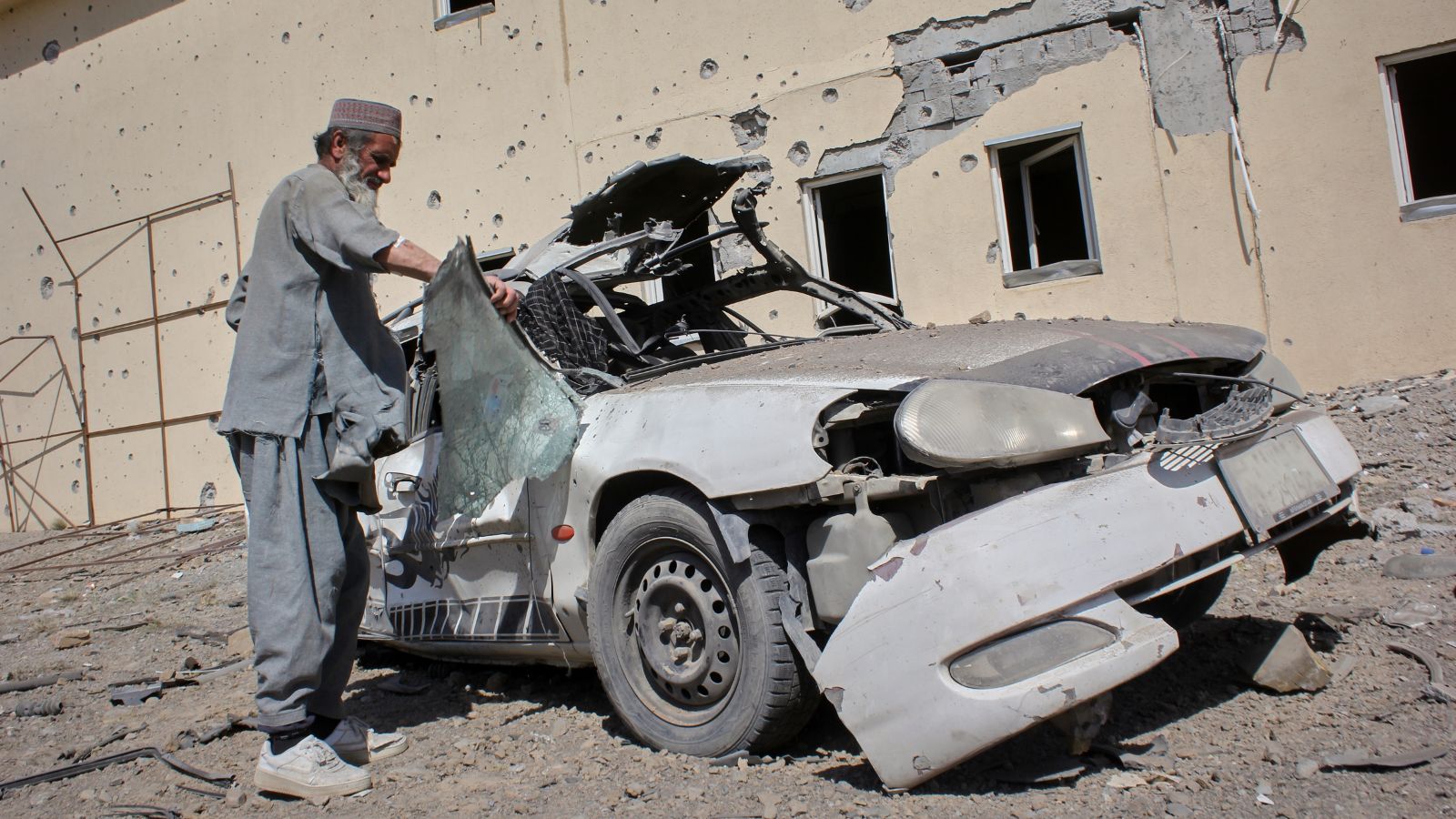
Last week, the Pakistani government officially dropped the pretense of "border management" and declared a state of "open war." This shift followed a series of brutal terror attacks inside Pakistan, including a devastating suicide bombing at a mosque in Islamabad. Pakistan's response, dubbed Operation Ghazab Lil Haq (Wrath of Truth), has been relentless.
According to Pakistani Information Minister Attaullah Tarar, the military has struck over 46 locations across Afghanistan. The scale is unprecedented. We aren't just talking about remote mountain hideouts in Khost or Paktika. We're talking about precision strikes on military bases in the heart of the Taliban's political centers.
The human cost is staggering and, as usual, disputed.
- Pakistan's claim: They've killed over 415 Afghan Taliban personnel and allied militants, losing 12 of their own soldiers.
- The Taliban's retort: They claim to have killed 80 Pakistani soldiers, downed a fighter jet near Jalalabad, and captured the pilot.
While the Taliban's claims of downing jets often lean toward propaganda, the reality on the ground is that the 2,600-km Durand Line is currently a graveyard for the "brotherly relations" both sides used to brag about.
The TTP problem that won't go away
You can't understand this conflict without talking about the Tehreek-e-Taliban Pakistan (TTP). To the Pakistani government, the TTP is a terrorist group killing their citizens. To the Afghan Taliban, the TTP are "Muhajireen" (migrants) and brothers-in-arms who helped them fight the Americans for twenty years.
Islamabad’s logic is simple: "We helped you get Kabul; now kick out the people killing us."
The Taliban’s response is a masterclass in deflection. They argue that the TTP is a "homegrown" Pakistani problem. But the evidence suggests otherwise. Since the Taliban took over Kabul in 2021, TTP attacks in Pakistan have surged by over 70%. They use Afghan soil to plan, rest, and rearm.
When Pakistan asked the Taliban to hand over TTP leaders, the Taliban offered to "mediate" instead. Imagine a neighbor harboring a thief who robbed your house, and then offering to "mediate" a chat between you and the thief. You’d be furious. That’s exactly where Pakistan is right now. Their "cup of patience," as Defense Minister Khawaja Asif put it, hasn't just leaked—it's shattered.
Why this time is different
In the past, these flare-ups followed a predictable pattern. A border post would get hit, some mortars would fly, and Qatar or Turkey would swoop in to broker a shaky ceasefire. But the February 2026 escalation feels like a "new Afghan doctrine" for Islamabad.
- Direct targeting of the state: Pakistan is no longer just hitting TTP camps. They are hitting Afghan Taliban military posts. This is a direct challenge to the Taliban’s sovereignty.
- Urban strikes: Bombing targets in Kandahar—the spiritual home of the Taliban and where their Supreme Leader, Hibatullah Akhundzada, resides—is a massive psychological blow.
- The end of the proxy era: For decades, Pakistan used the Taliban as "strategic depth" against India. Now, they view the Taliban regime as a primary security threat.
The Taliban are battle-hardened, sure. They spent two decades in the mountains fighting the most advanced military on earth. But they don't have an air force. They don't have a modern standing army. They rely on light weaponry and sheer grit. Pakistan, meanwhile, has a nuclear-backed military with a sophisticated air force. It's a lopsided fight in terms of hardware, but as the U.S. learned, you can't bomb an insurgency into submission if they have nowhere else to go.
The diplomatic scramble
While the guns are firing, the phones are ringing. Saudi Arabia and Qatar are working overtime to pull both sides back from the brink. Afghan Foreign Minister Amir Khan Muttaqi has been in constant contact with Riyadh, trying to find a face-saving exit.
Even China and Russia are getting nervous. Nobody wants a collapsed, warring border in a region that's already a tinderbox. The U.S. has taken a surprising stance, publicly supporting Pakistan’s "right to defend itself," essentially giving Islamabad a green light to continue the strikes as long as they stay focused on "counter-terrorism."
What actually happens next
Don't expect a peace treaty anytime soon. The trust is gone.
If you're watching this unfold, look for these specific signs to see where the wind is blowing:
- Border Crossings: Watch Torkham and Chaman. If these stay closed for more than a month, the Afghan economy—already on life support—will flatline. This is Pakistan's biggest leverage.
- The Pilot: If the Taliban actually have a captured Pakistani pilot, expect the rhetoric to get significantly darker. A hostage situation changes everything.
- TTP Activity: If the TTP launches a major strike in a Pakistani city like Lahore or Karachi in the next two weeks, Pakistan will likely escalate to a ground incursion, which would be a nightmare for everyone involved.
Honestly, the most likely path is a return to a "cold" conflict. The Taliban can't afford a full war with Pakistan, and Pakistan can't afford to occupy Afghan territory. They'll eventually agree to another Qatari-mediated ceasefire that neither side intends to fully honor.
If you're an investor or traveler in the region, stay clear of the western borderlands (Khyber Pakhtunkhwa and Balochistan). The situation is extremely fluid, and "open war" means the rules of engagement have changed. Keep an eye on the official statements from the ISPR (Pakistan's military PR wing) but verify them against independent journalists on the ground in Nangarhar and Khost, as both sides are currently winning the "information war" in their own heads.