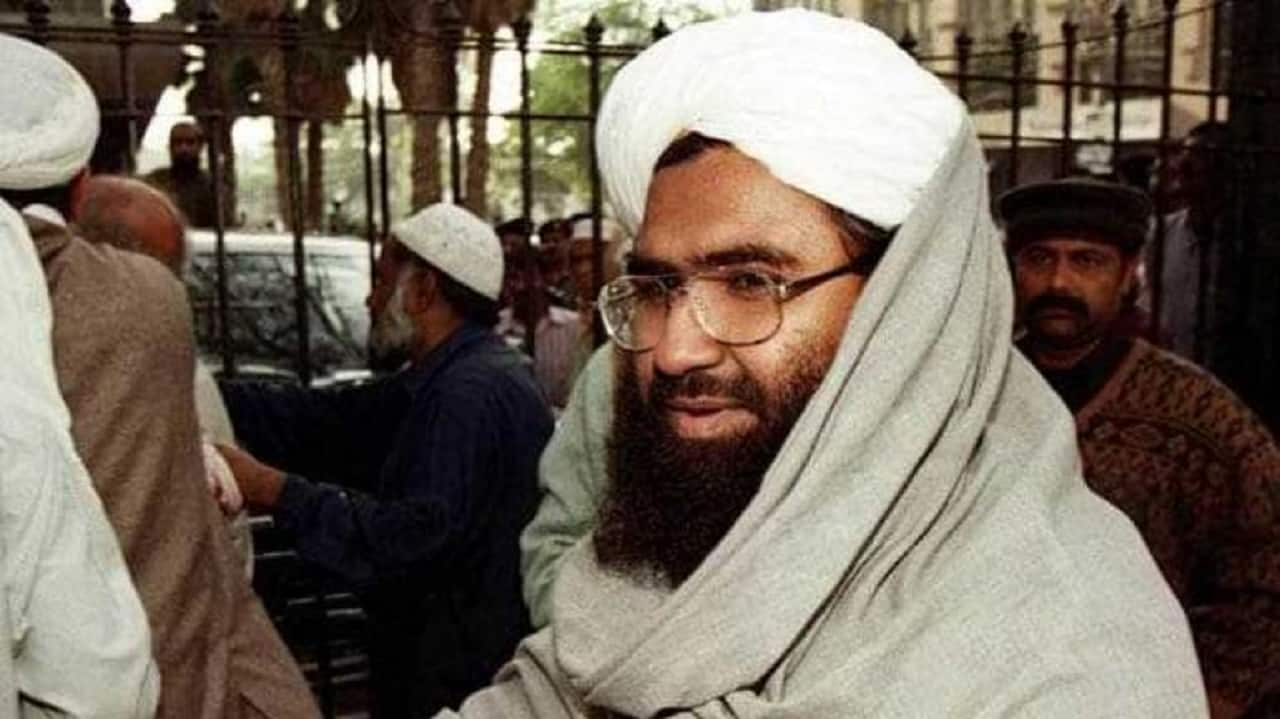
Every major international desk is currently rushing to print the same lazy, predictable headline. Pakistan has supposedly listed Jaish-e-Mohammed chief Masood Azhar as a fugitive and hiked his bounty to seventy lakh rupees. The conventional wisdom echoing across foreign policy circles and think tanks is that Islamabad has finally turned a corner. Analysts are clapping. Diplomats are writing polite notes of cautious optimism.
It is a complete farce. If you liked this post, you should look at: this related article.
If you believe a bureaucratic checkbox on an administrative list or a symbolic currency hike translates to an actual dismantling of militant infrastructure, you do not understand how Islamabad has played this game for three decades. I have watched western delegations fall for this exact sleight of hand time and time again, mistaking paperwork for policy. They want a headline to appease domestic political cycles, and Rawalpindi is more than happy to manufacture one at zero actual cost.
Let us dismantle the illusion piece by piece. For another angle on this event, see the latest coverage from NPR.
The Economics of a Meaningful Bounty
A bounty of seventy lakh Pakistani rupees sounds impressive until you convert it into hard currency or look at the liquidity of designated assets. Seventy lakh rupees sits at roughly twenty-five thousand US dollars. Let that sink in. We are talking about twenty-five thousand dollars for a man who orchestrated transnational attacks and commanded a massive militant network.
When serious governments put a bounty on a high-value target, they price it to incentivize betrayal within the inner circle. They price it at millions of dollars, creating an irresistible temptation for bodyguards, financiers, or logistics officers. Twenty-five thousand dollars buys a decent used sedan in Lahore. It does not buy the betrayal of a protected institutional asset.
This is not a price tag designed to capture a fugitive. It is a price tag designed to create deniable optics for the Financial Action Task Force and western lending bodies. It is compliance theater.
The Architecture of Strategic Depth
To understand why this listing changes nothing, you have to abandon the comforting myth that the Pakistani military establishment views these groups as rogue elements hiding in the tribal badlands. They never were.
For decades, the doctrine of strategic depth treated these organizations as asymmetric proxies. Even as internal security dynamics shifted and domestic terrorism forced a brutal crackdown on factions that turned their guns inward against the state, the institutional memory and protection networks for legacy figures remain stubbornly intact.
When a state designates a high-profile figure who has allegedly been residing comfortably in plain sight for years, look at what actually happens on the ground. Does his personal security detail vanish? Do his bank accounts freeze permanently, or are they quietly sheltered under shell entities? Do court orders stall indefinitely in procedural purgatory?
History gives us a crystal clear answer. We have seen this movie before. Lashkar-e-Taiba leaders, Jaish commanders, and various other alphabet-soup militants have been placed on domestic terror lists, detained in comfortable state guest houses, released due to "insufficient evidence," and quietly allowed to manage real estate holdings and charity fronts.
The Flawed Premise of Bureaucratic Compliance
People ask: Doesn't this prove that international pressure works? Isn't forcing a state to formally designate a terrorist a victory for global norms?
It is the wrong question entirely.
Asking whether a designation is better than nothing implies that meaningless action has positive value. It does not. In international diplomacy, fraudulent compliance is worse than open defiance because it wastes diplomatic capital, stalls security preparations, and lulls allies into a false sense of security.
When a government adopts legal fiction as operational reality, it surrenders its leverage. By accepting this designation as a genuine act of contrition or enforcement, international monitors signal to Islamabad that they can satisfy global oversight with nominal gestures rather than structural dismantling.
The Honest Admission of the Contrarian View
I must be completely transparent about the flaw in my own argument. If this designation truly means nothing, why bother doing it at all? Why would the Pakistani state endure the diplomatic friction of international news cycles and domestic extremist blowback just for a cosmetic gesture?
Because the economic knife at their throat is real.
Foreign exchange reserves fluctuate on the edge of a razor blade. International bailout packages require checking specific boxes demanded by global financial monitors. The designation is not a shift in strategic doctrine; it is a tax paid in administrative paperwork to keep the bailout loans flowing. It is purely transactional. The moment the financial pressure eases or domestic political calculations shift, these administrative measures will fade back into the bureaucratic woodwork.
The Real Danger of Buying the Narrative
The danger is not that western analysts are naive. The danger is that policy decisions in Washington, New Delhi, and European capitals get warped by wishful thinking.
When intelligence agencies buy into the fiction that a state-managed proxy network has been legally neutered, they drop their guard. They scale back surveillance. They discourage hard-hitting investigative journalism into illicit financial flows. They create space for these networks to regenerate under new names, new front charities, and modernized digital fundraising platforms.
Stop looking at the press releases coming out of Islamabad. Stop celebrating nominal bounty hikes that would not cover the annual maintenance cost of a safe house. Look at operational independence, asset seizures that actually hit the balance sheets, and prosecutions that end in maximum-security isolation rather than quiet house arrest.
Until those conditions are met, Masood Azhar's status on any list is entirely irrelevant. The machine is still running. The paperwork is just camouflage.