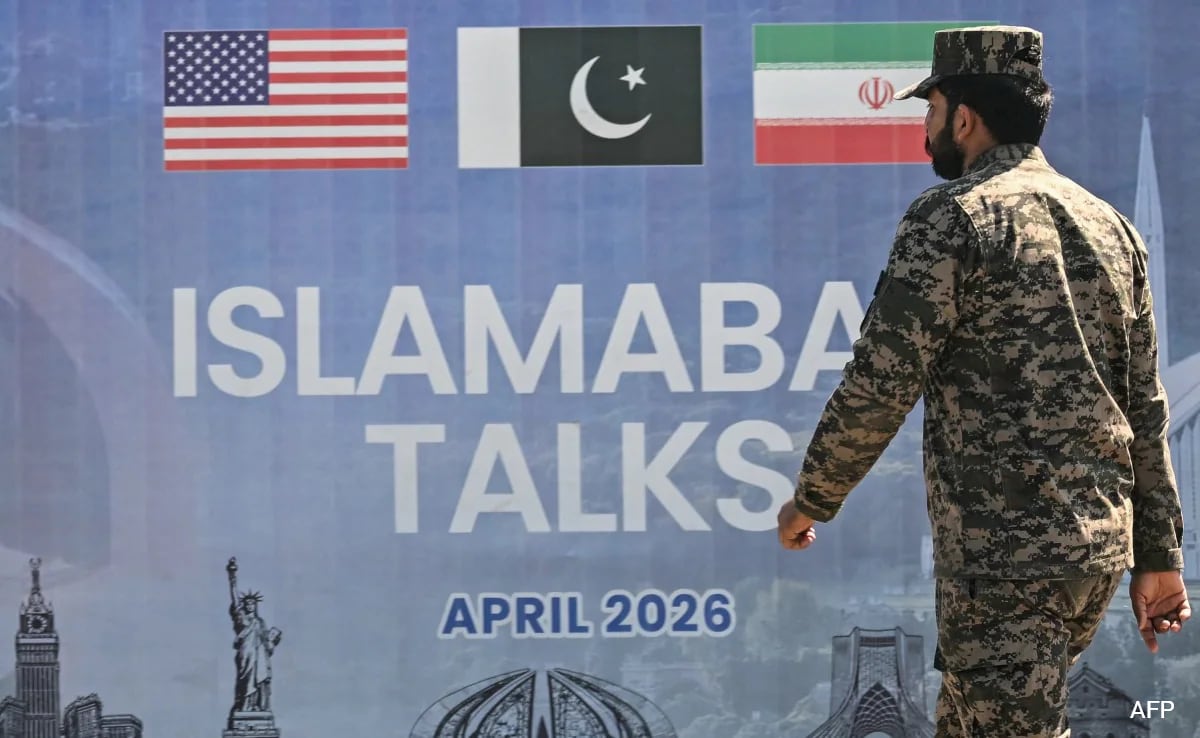
The rumors are finally solidifying into a schedule. After a week of frantic back-channel messaging and military leaders flying between world capitals, the next round of high-stakes talks between the United States and Iran is set for this coming Monday in Pakistan.
It’s a massive gamble. We’re currently sitting in a fragile two-week ceasefire, and honestly, the clock is ticking louder than most people realize. The first round of face-to-face talks in Islamabad last weekend ended without a signature, but the fact that both sides are willing to fly back to the same table on Monday suggests there’s more happening behind closed doors than the public "failed" narrative lets on.
What changed since the last round
Last Sunday, the mood was bleak. Vice President JD Vance left Pakistan saying the talks didn't reach a deal, mostly because Tehran wasn't budging on its nuclear program. Meanwhile, the Iranian delegation, led by Mohammad Bagher Ghalibaf, claimed the US hadn't done enough to win their trust.
But look at what’s happened in the last 48 hours. Field Marshal Asim Munir, Pakistan’s army chief, just spent over 24 hours in Tehran. At the same time, Prime Minister Shehbaz Sharif has been hitting the phones with leaders in Riyadh, Doha, and Ankara. You don't see that kind of "shuttle diplomacy" unless there's a specific breakthrough being polished.
President Trump even added fuel to the fire on Thursday, telling reporters he might actually fly to Islamabad himself to sign a final agreement. He’s claiming Iran has accepted "almost everything." Whether that's typical Trumpian optimism or a reflection of the actual draft on the table remains the $100 billion question.
The issues that could still blow this up
Don't let the ceasefire fool you. This isn't a peaceful situation; it’s a pause in a very dangerous game of chicken. The US naval blockade of the Strait of Hormuz is still in place. That’s 20% of the world's oil supply sitting behind a wall of American steel.
There are three massive sticking points that will dominate Monday's session:
- The Nuclear "Red Line": The US wants Iran to hand over its entire enriched uranium stockpile. Trump says they’ve agreed; Tehran hasn't said a word to confirm that.
- The Strait of Hormuz: Iran views sovereignty over the Strait as a natural right. The US view? It’s an international waterway that must stay open, no exceptions.
- Sanctions and Reparations: Iran isn't just looking for a "stop-fire." They’re demanding the release of frozen assets and, more controversially, war reparations.
Why Pakistan is the only ones who can do this
You might wonder why these talks aren't happening in Geneva or Muscat like they usually do. It’s because Pakistan has something nobody else has: a working relationship with both the Pentagon and the Iranian Revolutionary Guard.
In the past, Oman was the go-to mediator. But right now, the tensions are so high that a "neutral" venue isn't enough. You need a mediator with actual skin in the game. Pakistan shares a border with Iran and a long, complicated military history with the US. They can't afford a total war on their doorstep, which makes them the most motivated broker in the world right now.
What to watch for on Monday
When the delegations land in Islamabad this Monday, don't just look at the official statements. Watch the guest list. If Steve Witkoff and Jared Kushner show up alongside JD Vance, it means the "business" side of the deal—the sanctions relief and economic frameworks—is being finalized. If it's just military brass, we're likely looking at another extension of the ceasefire rather than a permanent peace deal.
The 15-point proposal the US sent via Pakistan is the foundation. Iran responded with 10 points of their own. Monday is about finding the five points of overlap that prevent a total regional meltdown.
If you’re tracking this for the energy markets or just general global stability, keep your eyes on the Islamabad security perimeter. Thousands of police are already being deployed to the twin cities of Islamabad and Rawalpindi. This isn't just another meeting; it’s a full-court press for a deal before the ceasefire expires.
Next steps for following the story:
- Monitor the Strait of Hormuz shipping rates: Any spike on Monday morning means traders are betting against a diplomatic breakthrough.
- Check the "Truth Social" feed: Trump has been using the platform to bypass traditional State Department channels, often leaking the status of negotiations before they hit the news wires.
- Watch the Pakistani Rupee: If the market senses a deal—and the potential for Pakistan to be a regional hero—you’ll see it in the currency first.
The world is waiting to see if Islamabad can pull off the impossible. We’ll know by Tuesday morning if we’re headed for a historic treaty or a return to the blockade.