Pakistan’s liquefied petroleum gas (LPG) crisis is not a simple dispute over shopkeeper margins. It is the predictable collapse of a distorted two-tier pricing system triggered by a sudden administrative freeze on Iranian border trade, an unworkable regulatory cap, and a desperate state-backed import gamble that threatens to push domestic cooking fuel prices up by as much as 80 percent.
In late October 2026, thousands of retail outlets across Lahore and other major urban centers pulled down their shutters. Street-level prices for cooking gas exploded past Rs600 to Rs700 per kilogram, more than double the official rate notified by the Oil and Gas Regulatory Authority (OGRA). Desperate households and roadside eateries scrambled for alternatives, instantly driving coal prices up by 25 to 50 percent. While surface-level news reports blamed striking dealers and greedy middlemen, the real story lies in how Islamabad engineered a supply bottleneck right before peak winter demand.
The Border Freeze That Broke the Market
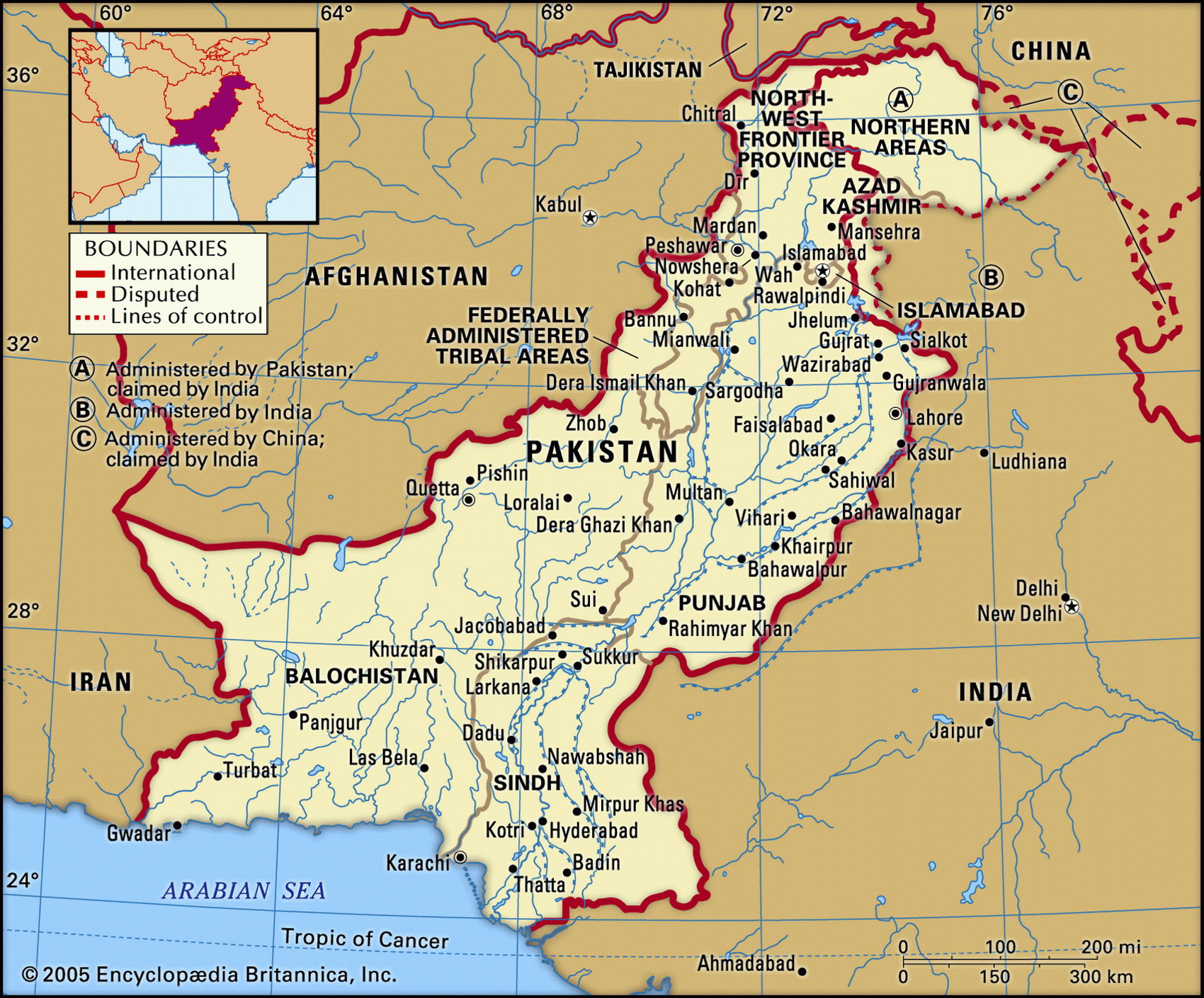
To understand why cylinders vanished from Pakistani kitchens, you have to follow the trucks coming across the western frontier. Pakistan imports more than half of the LPG it consumes. Historically, a massive share of that supply flowed overland from Iran through crossings like Taftan and Gabd-Rimdan. Because of international sanctions on Tehran, this trade operated through informal channels and barter arrangements, shielded by a federal exemption that allowed Iranian goods to enter without an Electronic Import Form (E-Form)—the banking document normally required to track cross-border payments.
In October, the federal Ministry of Commerce abruptly withdrew that E-Form exemption. Commercial traffic ground to a halt. Hundreds of LPG tankers were stranded on both sides of the border. Official explanations varied wildly depending on which ministry was speaking. Local administrators in Chagai pointed to temporary counterterrorism and anti-smuggling measures, the Foreign Office cited compliance with international sanctions, and Iranian officials blamed Pakistani bureaucratic changes while insisting Tehran had placed no restrictions on gas exports.
Whatever the diplomatic motive, the physical result was immediate. Cutting off an overland artery that supplies cheap, reliable fuel right as temperatures drop created an instant vacuum. Even after authorities allowed a limited resumption of traffic for cargoes already in transit, the damage to market confidence was done. Traders had no visibility into when normal flows would return, and hoarding began almost overnight.
The Mirage of Regulated Pricing
When the Iranian tap turned off, it exposed a structural flaw that has rotted Pakistan’s energy sector for years: the gap between official paper prices and real-world procurement costs.
Every month, OGRA publishes a maximum retail price for LPG, calculated using the Saudi Aramco Contract Price and the rupee-dollar exchange rate. In November 2026, OGRA notified a modest 5.3 percent increase, keeping the official domestic producer rate hovering near Rs280 per kilogram. On paper, cooking gas looked affordable. In reality, that cap was a fiction.
As Petroleum Minister Ali Pervaiz Malik acknowledged before the National Assembly, OGRA’s notified price cap applies strictly to locally produced LPG. No enforceable pricing mechanism governed imported gas. Because domestic refineries and gas fields cannot meet national demand—especially as Pakistan's indigenous natural gas reserves deplete and pipeline networks suffer winter load-shedding—the country depends on imports to bridge the gap.
During normal times, cheap overland Iranian gas blended into the supply chain and kept retail averages manageable. Without it, formal private importers refused to bring in expensive seaborne cargoes because local enforcement agencies and district magistrates penalized anyone selling above the OGRA cap. Private companies simply stepped back rather than sell at a guaranteed loss.
This left local dealers caught in a vice. Wholesale distributors demanded market rates reflecting the scarcity, while local officials raided retail shops for overcharging. Shutting down 5,500 to 6,000 shops in Lahore alone was not merely an act of defiance; for many small retailers, closing their doors was the only way to avoid arrest or bankruptcy.
Why Marketers Threatened a Nationwide Shutdown
By early November, the conflict escalated from local shop closures to an organized revolt by the Pakistan LPG Marketers Association. Facing paralyzing supply disruptions and regulatory whipsaws, marketers threatened a nationwide suspension of sales starting November 16 unless the Petroleum Division overhauled its pricing rules.
Their core grievance centered on how the government proposed to fix the pricing gap. Regulators floated a revised pricing formula that would tie domestic LPG valuations to international seaborne import benchmarks. The marketers warned that applying sea-import parity across the entire domestic market would trigger an immediate 25 to 30 percent price spike for consumers without solving the underlying supply bottleneck.
Meanwhile, the informal economy flourished. While legitimate marketing companies fought with regulators over margins and compliance, black-market operators sold cylinders at Rs600 to Rs700 per kilogram. For a daily-wage worker or a small street-food vendor, that price isn't an inconvenience. It is an existential threat.
The State's Expensive Sea-Import Gamble
Cornered by looming winter shortages and public anger, Islamabad pivoted to a policy of state-led intervention and rapid deregulation. The Petroleum Ministry directed four state-owned energy giants—including Pakistan State Oil (PSO), Sui Southern Gas Company (SSGC), and Sui Northern Gas Pipelines Limited (SNGPL)—to step into the breach and procure bulk LPG cargoes on the international spot market.
On November 18, officials held a celebratory ceremony at Port Qasim to welcome a 15,000-metric-tonne LPG shipment imported by Sui Southern Gas Company LPG (SLL), hailing it as a record delivery under the government's new deregulated framework. Ministers promised the cargo would flood the market, break dealer monopolies, and drive down cylinder prices in remote and mountainous regions.
The financial math tells a far more troubling story.
Industry assessments of that 15,000-tonne seaborne cargo peg its landed cost at roughly Rs450,000 per tonne. By comparison, private seaborne shipments typically land at Rs390,000 to Rs410,000 per tonne, while overland Iranian LPG costs around Rs350,000 per tonne. That single state-backed shipment carries a premium of roughly Rs100,000 per tonne over Iranian supplies—a Rs1.5 billion cost differential on just one vessel.
Worse still, by the time the ship docked at Port Qasim, partial border traffic with Iran had resumed, allowing cheaper overland gas to trickle back into the market. State-owned enterprises are now stuck holding expensive inventory in a market where cheaper alternatives are reappearing. If PSO and SSGC sell at market rates, they absorb massive balance-sheet losses. If the government adjusts its new pricing formula to protect state companies from losing money, domestic producer prices could surge by up to 80 percent in the next monthly cycle.
The Hidden Economic Casualty
Policymakers often treat LPG as a secondary fuel, a stopgap for households not connected to the national natural gas grid. That mindset is dangerously outdated.
Pakistan’s domestic natural gas fields are in terminal decline. Millions of urban and rural households rely entirely on LPG cylinders to boil water, cook meals, and heat their homes during freezing northern winters. Government planners estimate winter LPG demand at 6,000 to 7,000 tonnes per day, though veteran traders put actual consumption closer to 10,000 tonnes once industrial and commercial users are counted.
When LPG prices double or supplies dry up, the shockwaves hit the lowest rungs of the economy first. Large hotels and industrial plants can switch to bulk furnace oil, electricity, or negotiated fuel contracts. The neighborhood tandoor, the tea stall, and the working-class family buying a 11.8-kilogram domestic cylinder have no buffer.
In October, when cylinders became unaffordable or unavailable, families immediately turned to coal and firewood. Coal jumped from Rs40 per kilogram to Rs60 in a matter of days. In cities like Lahore and Karachi, burning low-grade coal and timber in dense residential neighborhoods accelerates winter smog, driving up respiratory illnesses and public health costs while stripping already bare hillsides of trees.
Deregulation Without Guardrails
The Petroleum Ministry insists that full deregulation is the only permanent escape from recurring winter crises. In theory, removing artificial price caps allows private importers to bring in gas freely, letting competition dictate fair retail rates.
In practice, deregulating a market with weak oversight, opaque import data, and entrenched regional cartels carries serious risks. Pakistan lacks real-time tracking of LPG stocks, port terminal bottlenecks limit how much seaborne gas can be unloaded and stored, and tax disparities between local production and imports create endless opportunities for arbitrage. Without transparent inventory reporting and open access to storage terminals, handing pricing power over to a handful of large importers and state-owned monopolies risks institutionalizing high prices rather than lowering them.
As winter tightens its grip across Punjab and Khyber Pakhtunkhwa, consumers are left paying the bill for months of uncoordinated policymaking. Whether the gas arrives via a sanctioned border crossing in Balochistan or an overpriced tanker in Karachi, the outcome for the average household remains the same: a smaller cylinder, an empty wallet, and a cold stove.