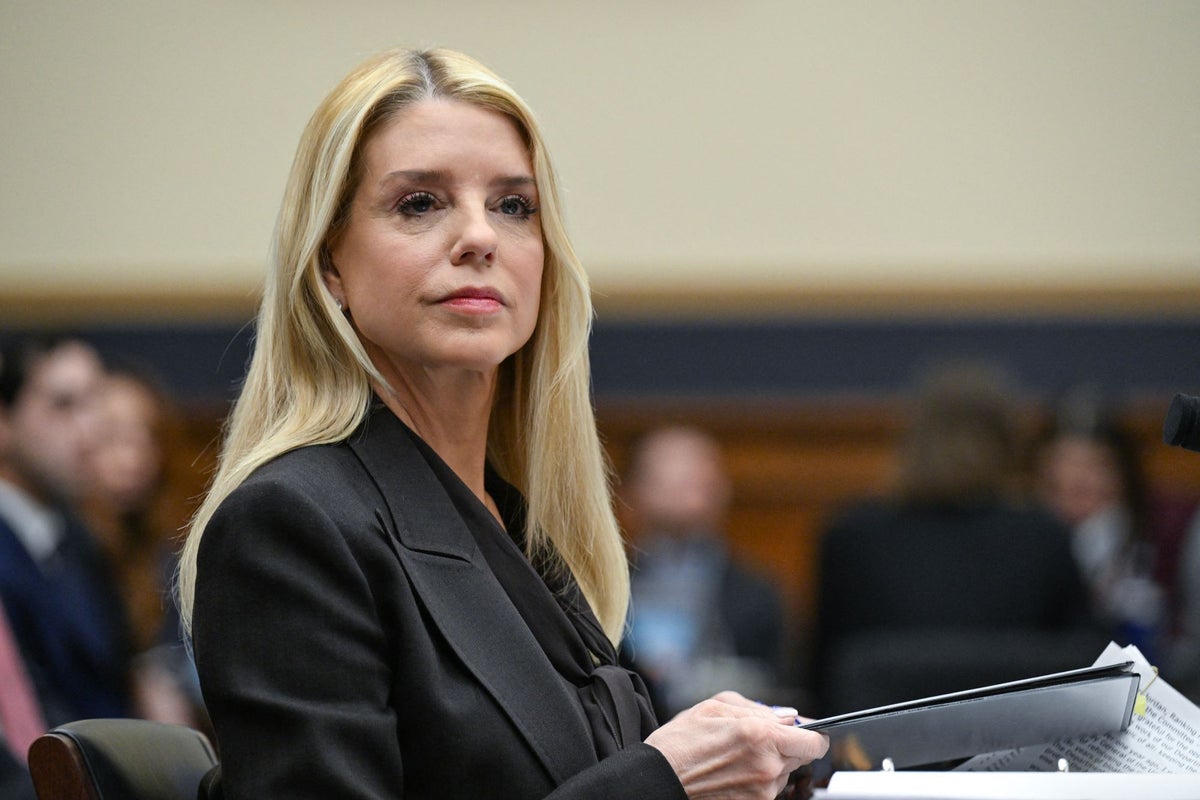
The honeymoon period for Attorney General Pam Bondi is officially over. Today, the House Oversight Committee stopped playing nice and issued a formal subpoena for Bondi to sit for a deposition on April 14, 2026. This isn't just another routine check-in. It's an escalation that signals a total breakdown in trust between the Justice Department and Congress.
At the heart of this fight are the millions of pages documenting Jeffrey Epstein's sex-trafficking empire. Specifically, the committee wants to know why the DOJ has been so slow to release them and why some of the most sensitive parts—allegedly including details about high-profile figures—seem to be missing or buried under thick black ink.
The Breaking Point for the Oversight Committee
The frustration didn't happen overnight. It's been building for months. Chairman James Comer finally pulled the trigger on the subpoena after a bipartisan group of lawmakers decided they'd had enough of the DOJ's "mismanagement" of the Epstein Files Transparency Act.
What's really wild is that this isn't just a Democrat-led witch hunt. Five Republicans joined their colleagues across the aisle to force this issue. When you see Rep. Nancy Mace and Rep. Robert Garcia on the same page, you know the situation has gone off the rails. They're looking for answers on why the "full release" promised by the law ended up being a rolling, redacted mess.
The DOJ’s defense has been pretty thin. They claim they’re working as fast as possible to review 3.5 million documents. But critics argue that the department has been "dooing" more to protect political interests than to help survivors. During a hearing in February, things got personal. Bondi called one lawmaker a "washed-up loser" and dismissed concerns as "theatrics." That kind of attitude usually doesn't sit well with the people who hold the purse strings.
Redactions and the Missing Client List
One of the biggest sticking points is the famous "client list." In July 2025, the DOJ claimed no such list existed. That statement set off a firestorm. Lawmakers aren't buying it, especially after reports surfaced that the FBI had interviewed witnesses who mentioned specific, powerful names that never appeared in the public dump.
There's also the issue of "haphazard" redactions. In the first few batches of documents, the DOJ somehow managed to accidentally expose the identities of victims while simultaneously blacking out the names of potential perpetrators. It’s the kind of technical failure that looks a lot like intentional sabotage if you're a skeptical member of Congress.
Bondi has maintained that her office is following the law. She’s even accused her critics of trying to distract from the administration's wins. But when you’re facing a deposition under oath, "distraction" isn't a legal defense. The committee is digging into whether the DOJ improperly withheld records, including summaries of FBI interviews with a woman who alleged she was assaulted by Donald Trump.
Impeachment and Contempt on the Table
The stakes for the April 14 deposition couldn't be higher. While Comer is pushing for testimony, Rep. Summer Lee has already introduced articles of impeachment against Bondi. The charges include defiance of subpoenas, abuse of authority, and even perjury.
Bondi is stuck in a corner. If she shows up and refuses to answer, she faces contempt charges. If she doesn't show up at all, the legal battle will likely head to the Supreme Court. The DOJ tried to head this off by offering a "private briefing" with Bondi and Deputy AG Todd Blanche, but the committee isn't interested in closed-door pinky promises anymore. They want a recorded, sworn deposition.
What Happens Next for the Epstein Investigation
The Oversight Committee is also looking at Epstein’s death and how sex-trafficking rings operate in the U.S. They've already scheduled depositions for other key figures, including Epstein’s longtime associate Darren Indyke.
This investigation is rapidly expanding beyond just "where are the files?" It's now about whether the Department of Justice can be trusted to investigate the powerful. If you're following this, keep an eye on the document releases scheduled for late March. Any more "accidental" redactions or missing pages will only make Bondi’s April deposition more explosive.
The next step for anyone concerned about transparency is to watch the House Oversight website for the release of the deposition transcripts. That's where the real story will be hidden. Don't expect the DOJ to hand it over without a fight.


.jpg?width=1200&auto=webp&trim=0%2C0%2C0%2C0)