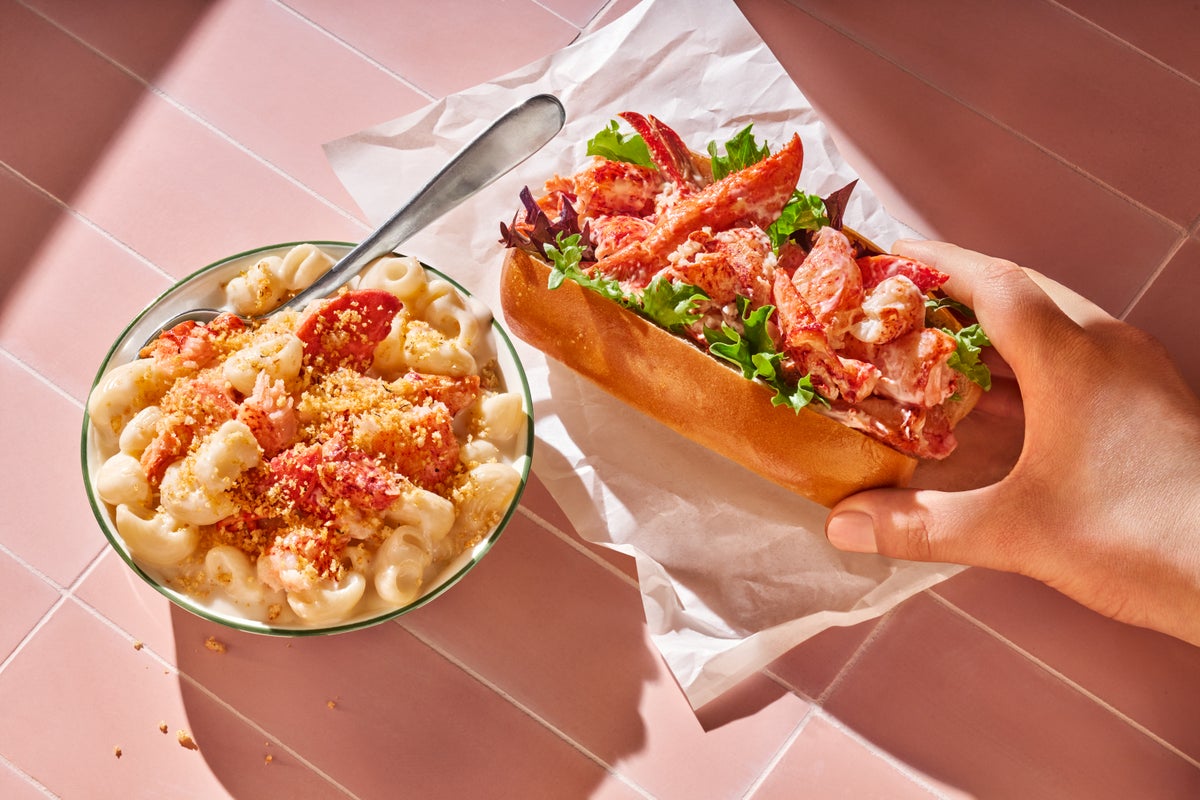
Panera Bread is bringing back its seasonal lobster roll and lobster mac and cheese to select Northeast locations, pricing the sandwich at a steep $23.99 and the pasta at $12.99. While the chain frames this limited-time menu as a celebratory nod to summer, the operational reality reveals a deeper corporate strategy. This regional rollout is not just a seasonal promotion. It is a highly calculated exercise in margin management, brand positioning, and supply chain logistics designed to test how far consumers will stretch their wallets for premium convenience.
Fast-casual chains have spent years trying to escape the value-meal trap. By introducing claw and knuckle lobster meat into an environment built for soup and salad combos, Panera is attempting to blur the line between assembly-line dining and sit-down luxury. If you found value in this article, you might want to look at: this related article.
The Supply Chain Behind Mass Market Seafood
Serving fresh seafood at scale is an operational nightmare. True New England lobster rolls rely on a volatile, highly localized supply chain where prices fluctuate daily based on weather, fuel costs, and catch yields. A massive corporate entity cannot easily absorb that level of unpredictability.
To make a $23.99 lobster roll viable across dozens of suburban cafes, Panera relies on a centralized supply infrastructure. For another angle on this development, check out the recent coverage from Reuters Business.
- Flash-Frozen Inventory: Former employees and supply chain insiders note that the lobster arrives at cafes pre-picked and flash-frozen, primarily consisting of thawed claw and knuckle meat.
- Preserving Margins: This method removes the labor cost of processing whole crustaceans on-site and eliminates the immediate risk of spoilage, which would otherwise devastate restaurant-level margins.
- Predictable Portioning: Pre-bagged, frozen seafood allows corporate office executives to dictate exact portion sizes down to the fraction of an ounce, ensuring consistency while strictly controlling food costs.
This approach creates a clear friction point between consumer expectations and corporate execution. A customer paying nearly $25 for a sandwich often expects the fresh, hand-shucked quality of a coastal seafood shack. Instead, they receive a carefully portioned, thawed product optimized for velocity and portion control rather than culinary artistry.
Price Elasticity and the Halos of the Menu
The $23.99 price tag serves a dual purpose. While it covers the inherently high cost of harvesting shell fish, it also acts as a psychological anchor for the rest of the menu.
When a consumer sees a twenty-four-dollar sandwich at the top of the menu board, the standard ten-dollar turkey sandwich or a twelve-dollar salad combo suddenly feels like an exceptional bargain. Marketers refer to this as price anchoring.
By introducing a premium tier, a brand elevates its entire perceived value proposition without forcing a price hike on its core everyday items.
The lobster mac and cheese, priced at $12.99, represents the true volume play of this promotion. Vermont white cheddar sauce and pasta are incredibly inexpensive base ingredients. By adding a small, measured topping of buttered lobster claw meat and seasoned panko crumbs, Panera transforms a standard, high-margin side dish into an upscale, premium entree.
The markup on the pasta is where the true profitability hides. The sandwich captures the headlines, but the mac and cheese captures the actual margin.
Why Geography Dictates the Menu
Panera is limiting this rollout strictly to select markets in the Northeast. This geographic restriction is born out of cultural familiarity and logistical necessity.
Residents of New York, Massachusetts, Connecticut, and New Jersey do not need to be educated on what a lobster roll is. They already understand the product, which lowers the marketing cost required to drive trial.
However, this regional placement also subjects Panera to brutal local competition. In the Northeast, independent seafood shacks, local grocery chains, and regional fish markets offer fresh, non-frozen alternatives at comparable or even lower prices.
+----------------------------+---------------+-----------------------+
| Provider                   | Average Price | Product Condition     |
+----------------------------+---------------+-----------------------+
| Panera Bread               | $23.99        | Thawed, Pre-bagged    |
| Regional Grocery Chains    | $9.99 - $14.99| Fresh or Local Thawed |
| Coastal Seafood Shacks     | $25.00 - $35.00| Freshly Shucked Daily |
+----------------------------+---------------+-----------------------+
This matrix highlights the core gamble of the strategy. Panera is betting that the ultimate convenience of a drive-thru or a rapid pick-up counter will outweigh the superior freshness offered by traditional seafood vendors.
The Execution Gap in Fast Casual Strategy
The biggest threat to this premium pivot is the frontline execution. Fast-casual staffing models are built around high turnover and rapid cross-training. Preparing a proper lobster roll requires a delicate touch. The bread must be perfectly griddled in butter, and the chilled meat must be tossed gently in a precise ratio of lemon tarragon mayonnaise dressing to avoid turning the delicate claw meat into a heavy paste.
When these premium ingredients are dropped into a kitchen optimized for speed, mistakes happen. A distracted line cook can easily toast a brioche bun to a cinder or over-sauce the seafood, instantly destroying the value proposition of a $24 meal.
For the consumer, a bad experience at a low price point is an annoyance. A bad experience at a premium price point is an insult that can permanently alienate a loyal customer.
Ultimately, this seasonal menu push demonstrates the systemic tension inside modern restaurant corporations. Brands must constantly innovate to justify higher prices and appease shareholders, yet their operational frameworks are built entirely around simplification and cost reduction.
