The paper is crisp. The ink is fresh. The signature at the bottom belongs to a judge who has never met you, never heard your voice shake in a crowded hallway, and never watched a set of headlights park at the end of your driveway at two in the morning.
In Los Angeles County, the machinery of a restraining order hums behind courthouse doors with a relentless, bureaucratic rhythm. Every year, thousands of people walk into these buildings holding breath they haven't let out in weeks. They are seeking a legal talisman. A piece of paper decorated with judicial authority, commanding a dangerous person to stay away.
We treat these documents like force fields. We imagine that an injunction possesses some intrinsic physical property, an invisible energy barrier that stops footsteps at a hundred yards. But paper has no mass. It cannot block a fist. It cannot lock a door. And in a county stretching across four thousand square miles of concrete, freeways, and crowded neighborhoods, the distance between a legal command and actual safety is often measured in blood and waiting time.
Consider what happens long before the ink dries.
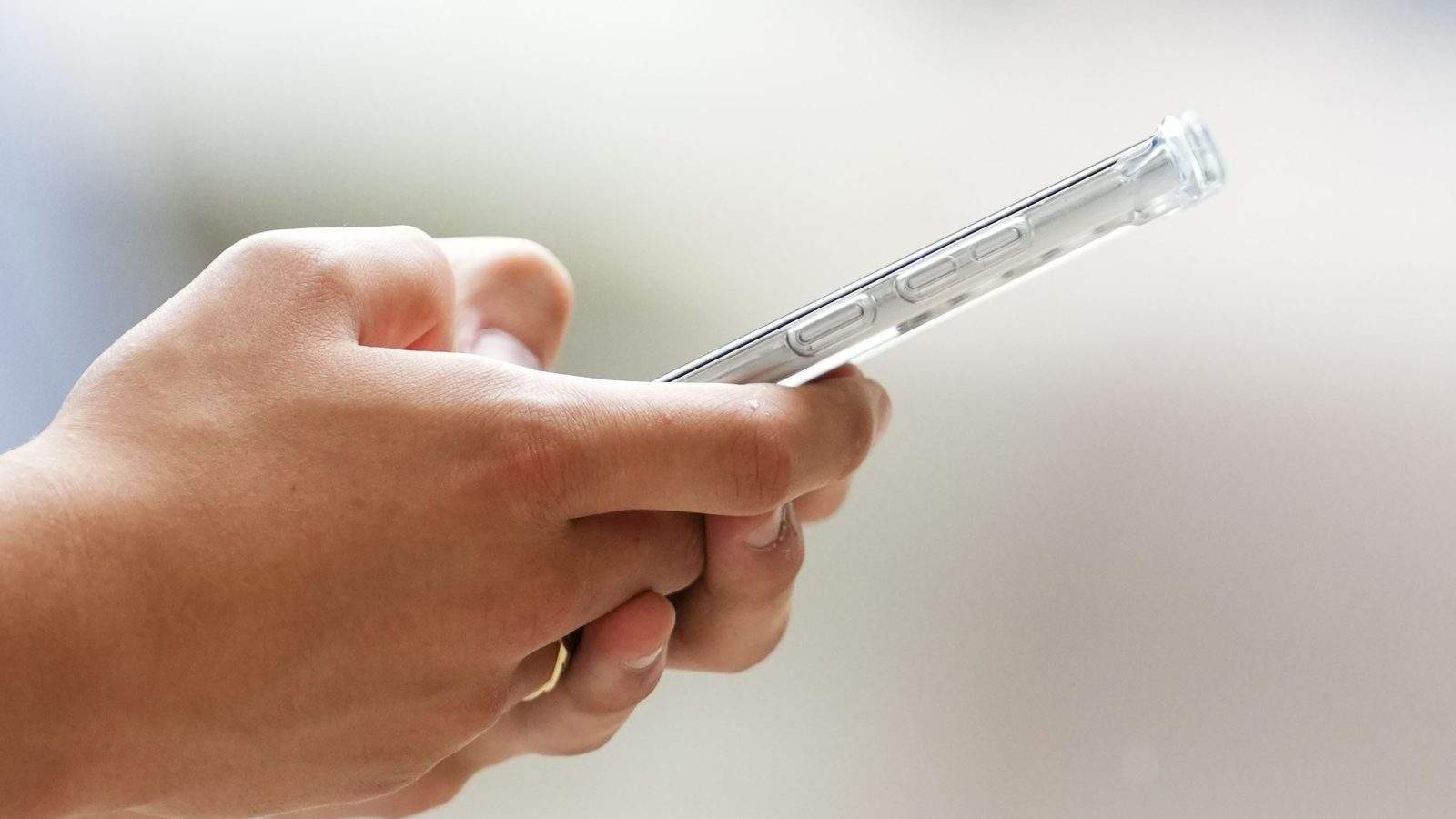
Imagine Maya. She is sitting on the floor of a kitchen in Silver Lake, staring at a phone screen that has lit up forty-two times in the last hour. Each notification is a pulse of adrenaline. The man who swore he would never hurt her is currently breathing somewhere in the same zip code, angry, untethered, and convinced that he is the aggrieved party in this unfolding tragedy.
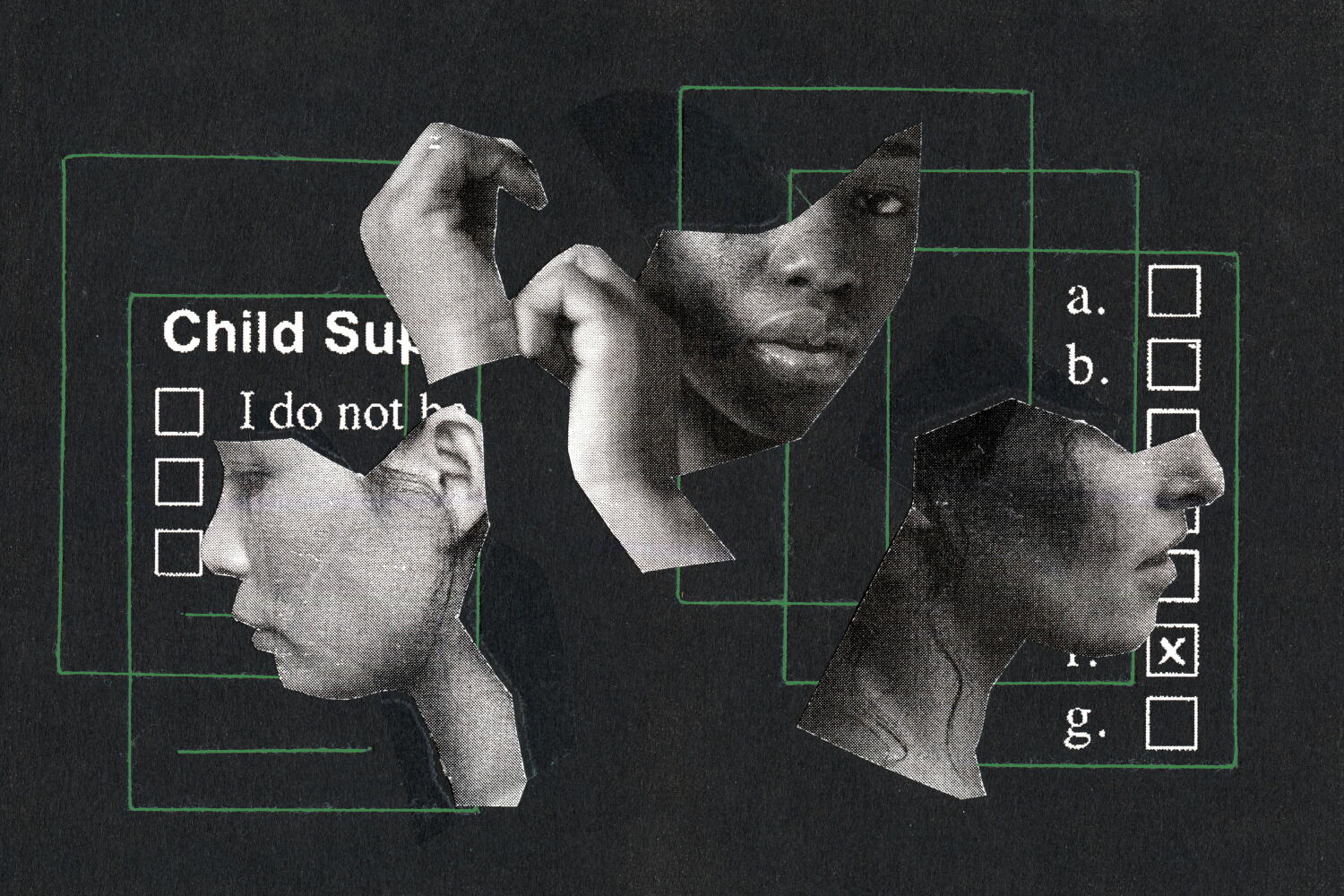
Maya needs a domestic violence restraining order. To get it, she must navigate a system designed by minds that value procedural caution over human terror. She fills out forms that ask for dates, times, and specific incidents of abuse, translating trauma into neat black-and-white bullet points for a civil court clerk. She is terrified of missing a checkbox. She is terrified of a judge dismissing her plea because her narrative lacks the specific legal geometry required to prove immediate, irreparable harm.
When she finally gets her temporary restraining order, a brief wave of relief washes over her. She holds the document like a shield.
Then comes the reality check. The order is useless until it is legally served.
This is the hidden friction point of the entire apparatus. A restraining order does not spring into existence the moment the judge signs it. The subject must be formally notified, in person, by a neutral third party or law enforcement officer, so they cannot claim ignorance in a subsequent criminal proceeding. Until that service occurs, the order is a ghost. It has no legal teeth.
For Maya, this means the clock is ticking backward. She must coordinate with process servers or local sheriff deputies, handing over the home address or workplace of the very person she is hiding from. If the man moves frequently, crashes on friends' couches, or vanishes into the sprawling anonymity of the Los Angeles basin, the service stalls. Every day he remains unserved is a day Maya lives in the crosshairs, holding a paper shield that the law refuses to activate yet.
The county’s infrastructure for enforcement is vast, yet heartbreakingly porous.
Law enforcement agencies across Los Angeles County field thousands of calls related to restraining order violations annually. Deputies and officers respond to panic buttons, whispered phone calls from closets, and frantic knocks on station doors. But patrol officers are reactive agents. They arrive after the glass has shattered. They arrive after the threshold has been crossed.
Even when a violation is reported, the burden shifts entirely onto the victim to prove it happened. Did you save the text message? Did you record the audio? Did a neighbor witness the car idling outside your window? The system demands empirical documentation of invisible psychological warfare. A stare across a grocery store aisle does not trigger a squad car. A burner phone call with a blocked ID leaves no digital footprint for a busy precinct to trace.
And then there is the darker, more mechanical side of the ledger: the firearms compliance dilemma.
When a restraining order is issued in California, judges routinely order the respondent to surrender any firearms within twenty-four hours. It is a vital, lifesaving statute on paper. The intersection of domestic disputes and gun violence is a well-documented statistical nightmare; an abuser with a firearm is exponentially more likely to turn a temporary crisis into a permanent fatality.
Yet, recovering those weapons requires an administrative apparatus that is chronically under-resourced. L.A. County Sheriff's Department details and local police units work tirelessly to track down prohibited gun owners, but they are chasing a moving target. If a respondent decides to hide a handgun in a garage rafters, bury a shotgun in a relative's backyard, or simply lie about ownership, the court order relies on the honor system of a dishonorable person.
We have built a system that operates on an administrative presumption of compliance. We write the rule, we file the form, and we assume the universe aligns itself with the command of the court.
It does not.
To walk through the civil courthouses downtown is to witness the exhausting human toll of this disconnect. You see young mothers with toddlers sleeping in strollers, elderly men seeking protection from abusive adult children, and neighbors locked in bitter property feuds that have curdled into violence. They are all looking to the state to draw a boundary line that human nature keeps erasing.
The attorneys and advocates who work inside this system will tell you quietly, away from the microphones, that a restraining order is never a solution. It is merely a boundary marker. It draws a legal line in the sand, and it gives the state the retroactive authority to punish someone after they cross it. It is an arrest warrant waiting to happen, not an armor plating that prevents the strike.
Understanding this distinction changes everything. It strips away the false sense of security that Hollywood thrillers and neat legal dramas promote. It forces us to look at the machinery of justice with clear eyes.
When Maya finally gets her permanent restraining order after a tense, nerve-wracking court hearing where she has to look her abuser in the eye across a linoleum-floored courtroom, the paper is thicker now. It lasts for five years.
Does she sleep better? Yes. But she still checks her locks twice. She still changes her route to work. She knows that the piece of paper in her drawer is only as strong as the community infrastructure supporting it, the responsiveness of the local precinct, and the unpredictable restraint of a man who respects neither judges nor laws.
The true challenge of the Los Angeles County legal system—and every urban justice system grappling with interpersonal violence—is not printing better forms or expanding court hours. It is bridging the terrifying gap between the stroke of a judicial pen and the harsh, unpredictable reality of human behavior.
Until we find a way to make justice truly omnipresent, the paper shield remains what it has always been: a desperate, necessary, and fragile prayer written in ink.