The Trillion Dollar Intersection of Private Equity and Middle East Diplomacy
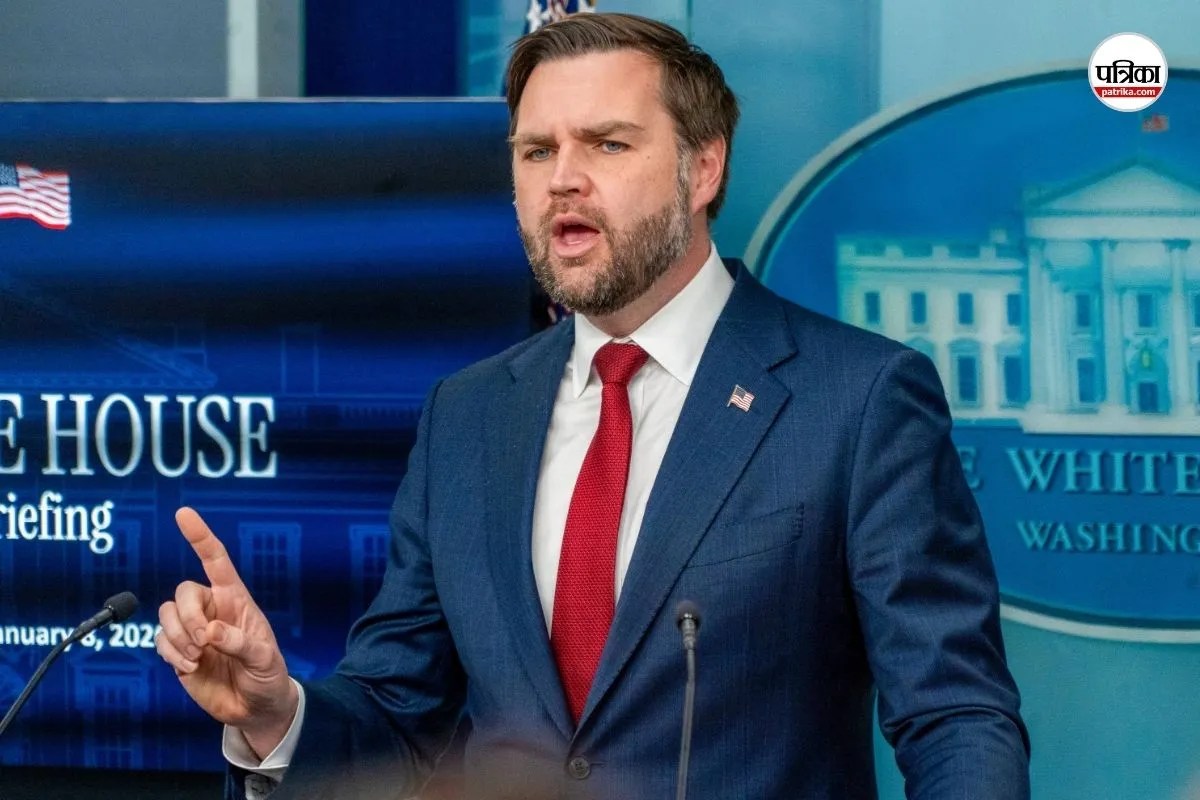
When Ohio Senator JD Vance stepped forward to publicly clear Jared Kushner and real estate tycoon Steven Witkoff of allegations that they financially weaponized backchannel US-Iran negotiations, he wasn't just defending political allies. He was attempting to draw a thick line between official diplomatic maneuvering and the hyper-lucrative world of sovereign wealth fund investments. The core allegation—which Vance flatly rejected—rests on a profound anxiety in Washington about whether former and future policymakers use foreign policy channels to prime the pump for private investment funds.
The mechanism at play is not simple bribery. It is far more sophisticated.
Modern geopolitical influence operates through a revolving door of private equity commitments, where billionaire developers and former White House advisers secure multi-billion dollar anchoring investments from Gulf monarchies. When these same figures appear in backchannel diplomatic talks, the distinction between statecraft and portfolio management blurs. Vance argues that Kushner’s diplomatic engagements are entirely separate from his post-government business ventures. Yet, an examination of the financial architecture governing these relationships suggests that separating the two is nearly impossible.
How Backchannels Mimic Sovereign Wealth Strategies
To understand the skepticism surrounding the Kushner-Witkoff framework, one must understand how sovereign wealth funds deploy capital. Countries like Saudi Arabia, the UAE, and Qatar do not merely invest for financial return. They invest for strategic leverage.
When a prominent political figure creates an investment firm, such as Kushner’s Affinity Partners, the capital inflows from foreign entities are rarely decoupled from political calculations.
The Mechanics of the Capital Commitment
Consider how a standard private equity arrangement functions under these conditions. A foreign sovereign fund pledges billions to a fund manager.
- Management Fees: The fund manager receives a standard annual fee, often around 2%, regardless of whether the money is actively invested or sitting in cash.
- Leverage: This guaranteed income stream provides immense personal liquid wealth and corporate runway to the fund's founders.
- Access: The sovereign wealth fund gains a sympathetic ear in Washington, while the American firm gains the prestige of sovereign backing.
When Steven Witkoff, a New York real estate magnate with deep ties to the political establishment, enters this equation, the focus shifts to hard assets. Real estate is the preferred vehicle for parking vast sums of foreign capital because it absorbs cash quickly and appreciates safely. The intersection of Witkoff's real estate empire and Kushner's financial vehicle creates a formidable corridor for international funds. Critics argue that even the hint of opening talks with Iran could be used as a bargaining chip to secure better terms or deeper commitments from Iran’s regional rivals in the Gulf, who view Tehran as an existential threat.
The Vance Defense and the Reality of Political Insulation
JD Vance’s defense of these transactions relies on a strict interpretation of legality. From a purely statutory standpoint, Vance is correct. No law prevents a former official from managing foreign wealth, provided they comply with registration acts like FARA where applicable, though private equity exemptions often apply. Vance asserts that Kushner and Witkoff have acted in the interest of regional stability, arguing that their financial success is a byproduct of their acumen, not a reward for diplomatic access.
But this argument ignores the structural reality of how modern influence is bought.
Foreign governments do not need an explicit quid pro quo to achieve their aims. They operate on a model of generalized reciprocity. By ensuring that prominent American power brokers are deeply invested in the financial health and political longevity of the Gulf state regimes, those regimes guarantee that American policy will naturally lean in their favor. If a conflict breaks out, or if diplomatic ties shift, billions of dollars in private management fees and asset values are suddenly at risk. The policy choice becomes inextricably linked to the personal balance sheet.
The Problem of Untraceable Influence
The broader issue highlighted by the controversy is the total inadequacy of current disclosure frameworks. The public is left to piece together the financial motives of global actors through leaked documents and voluntary corporate filings.
Because private equity funds are not subject to the same rigorous, transparent reporting requirements as public banks, the true extent of foreign financial entanglement remains hidden. We see the large macro-investments, but we miss the micro-transactions—the advisory fees, the joint ventures, and the secondary real estate acquisitions that occur away from the public eye.
This lack of transparency makes it impossible to fully verify Vance’s claims of innocence. While there may be no smoking gun linking a specific Iran policy conversation to a specific wire transfer, the infrastructure for such an exchange is fully operational. The system itself is the problem, designed to allow billions of dollars to flow across borders legally, with just enough opacity to maintain plausible deniability. The line between serving the nation and serving the portfolio has never been thinner, and no amount of political reassurance can obscure the financial reality on the ground.