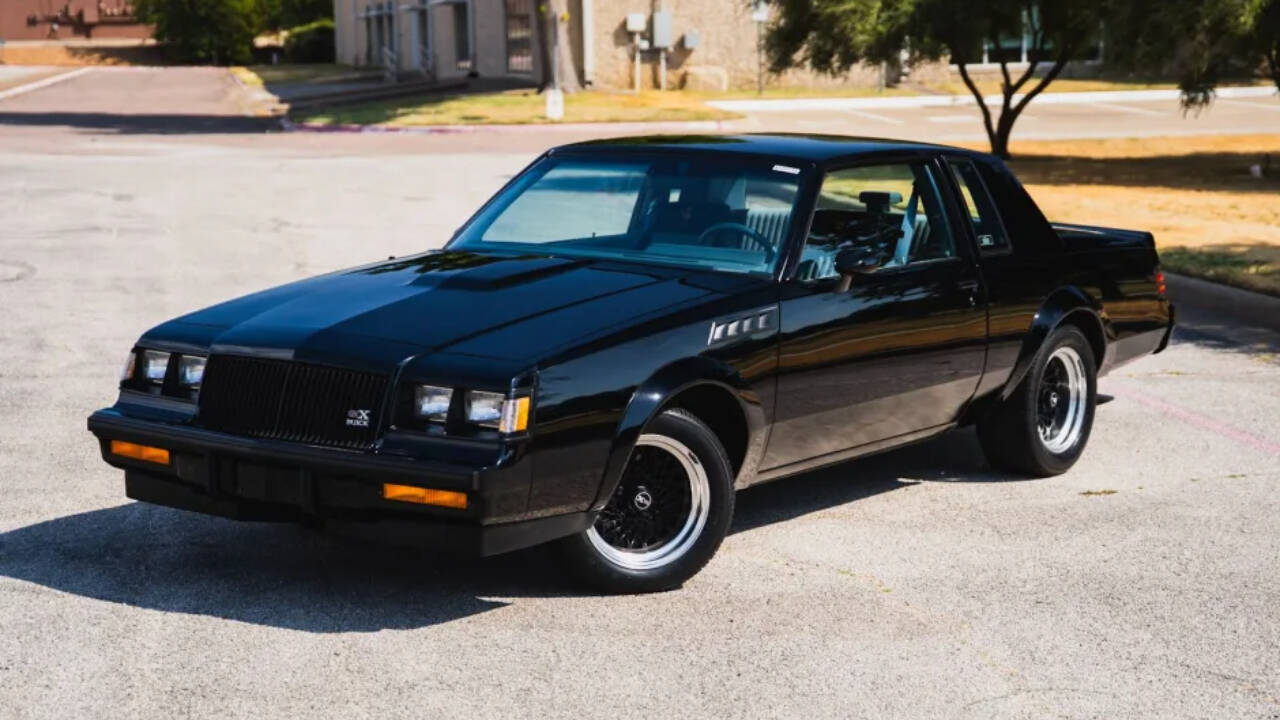
Every automotive blog on the internet recently lost its collective mind over a 1987 Buick GNX changing hands on an online auction platform for four hundred and twenty-seven grand. The narrative being spoon-fed to the enthusiast public is simple, lazy, and completely wrong: static preservation equals smart investing, and ultra-low mileage makes an eighty-eighty-era muscle car a blue-chip asset class.
Let us clear the air immediately. Buying a McLaren F1 or a Ferrari 250 GTO is an exercise in acquiring rolling sculpture with finite global supply. Buying a mass-produced GM intermediate body shell stuffed with a turbocharged V6 and plastic interior
Why Paying Four Hundred Grand for a Plastic Box is a Fool's Game
business
lifestyle
Everyone lost their minds when a plastic-wrapped 1987 Buick GNX crossed the auction block and pulled four hundred and twenty-seven thousand dollars. Two years prior, it sat at two hundred grand. The internet erupted with predictable chatter about blue-chip collector cars, smart asset diversification, and the unstoppable march of retro nostalgia.
They are missing the plot entirely.
That transaction has nothing to do with automotive history, horsepower, or the legacy of McLaren Performance Technologies partnering with Buick. It is a monument to modern liquidity chasing a ghost. When capital has nowhere productive to go because traditional yields look anemic or risk profiles look toxic, rich people start treating mass-produced GM muscle cars like contemporary art pieces. They lock them in climate-controlled tombs, terrified to put a single mile on the odometer, completely missing the mechanical poetry of what made the car matter in the first place.
I have spent decades watching asset bubbles inflate, deflate, and leave retail speculators holding empty bags while the insiders cash out at the peak. Let us dismantle the lazy consensus surrounding modern investment-grade muscle cars.
The Myth of the Zero-Mile Asset
The primary delusion driving the GNX mania is the belief that preservation equals appreciation. The prevailing market narrative tells you that keeping a car untouched protects its intrinsic value.
That is economic illiteracy disguised as stewardship.
A car is an engineered thermodynamic system. Rubber seals dry out, gaskets shrink, fuel systems varnish, and electronic capacitors degrade whether the odometer reads thirty miles or thirty thousand. When you buy a museum-piece car for half a million dollars, you are not buying a machine; you are buying an expensive insurance policy against your own lack of imagination.
Let us look at the math. If you sink four hundred thousand dollars into a single-digit-mile Buick, your capital is trapped. It generates zero cash flow. It demands storage fees, specialized insurance, and continuous environmental monitoring. Meanwhile, even a boring, predictable index fund compounds quietly in the background, outperforming your plastic-wrapped trophy over a ten-year horizon when you factor in the friction of auction fees and transaction costs.
The people buying these cars at peak prices are not enthusiasts. They are financial tourists treating four-wheeled iron like digital tokens.
Why the GNX Target is Wrong
When people ask why the GNX commands such absurd multiples compared to a standard Grand National, they point to the turbochargers, the ceramic-coated heat shields, and the vents in the fender flares. They talk about the sinister black paint job that earned the car its Darth Vader nickname.
They are looking at the window dressing while ignoring the market dynamics.
The 1987 Buick GNX was never a refined sports car. At its core, it was a G-body sedan stuffed with a turbocharged V6 that embarrassed contemporary Corvettes off the line. It was an outlaw car built by a fading Detroit brand trying to go out with a middle finger to emissions regulations.
When you treat it like a Fabergé egg, you strip away its entire identity. The car was meant to terrorize stoplight grand prix circuits, not sit on a rotisserie while guys in loafers drink bad wine at a concours d'elegance.
Here is what the speculators will never admit: modern classic car values are heavily propped up by a very specific demographic cohort aging into disposable income. Gen X and older millennials with mid-life crisis capital are bidding up the posters of their youth. Once that generation transitions out of their prime asset-buying years, the liquidity pool for eighties turbocharged bricks will dry up faster than an unsealed fuel line.
The Uncomfortable Truth About Alternative Assets
If you want to build wealth, stop taking investment advice from car magazines written by people who get free coffee from manufacturers.
Alternative assets like collector cars suffer from massive bid-ask spreads, high transaction friction, and terrible market transparency. If you need to liquidate a portfolio of stocks in three seconds, you hit a button and cash is in your account. If you need to liquidate a four-hundred-thousand-dollar Buick during a credit crunch, you wait months for the next major auction house rotation, pay ten percent in seller's premiums, and pray two wealthy guys in the room happen to be having a pissing contest at that exact hour.
That is not an investment strategy. That is a lottery ticket with high storage overhead.
I respect the engineering grit that went into building the original GNX. McLaren and Buick engineers did something genuinely subversive for 1987. But turning that engineering triumph into a sterile financial instrument traded by spreadsheet jockeys is an insult to the people who designed it.
If you have the capital to buy a half-million-dollar car, buy one you can actually drive on a Tuesday night until the rear tires bald. Otherwise, put your money in something that doesn't require a dehumidifier to keep from rotting.
Stop buying the narrative. Start buying reality.