If you thought the biggest threat to AI development was a lack of chips or energy, think again. Right now, a far more visceral battle is playing out inside the Pentagon’s windowless briefing rooms. It’s not about hardware; it’s about "red lines."
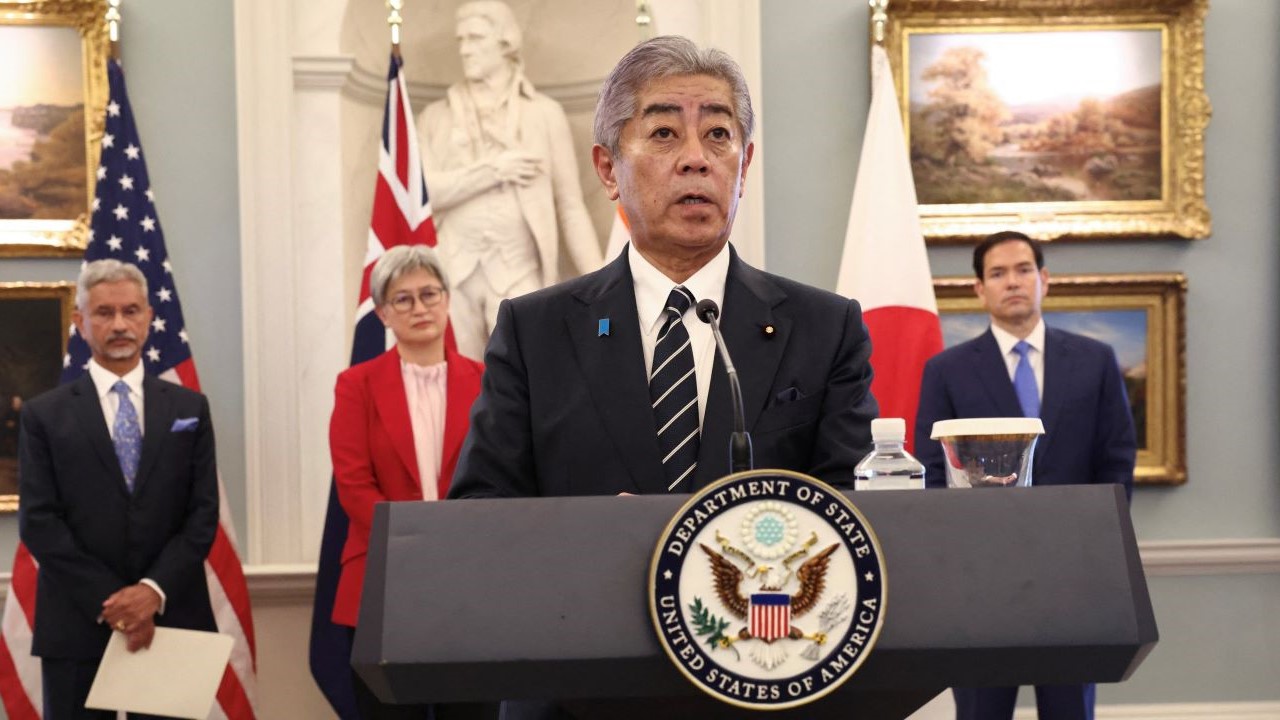
In a move that’s sent shockwaves through Silicon Valley, Defense Secretary Pete Hegseth recently labeled Anthropic—the creator of the Claude AI model—a supply chain risk to national security. That’s a heavy-duty designation usually reserved for hostile foreign entities, not a darlings of American innovation.
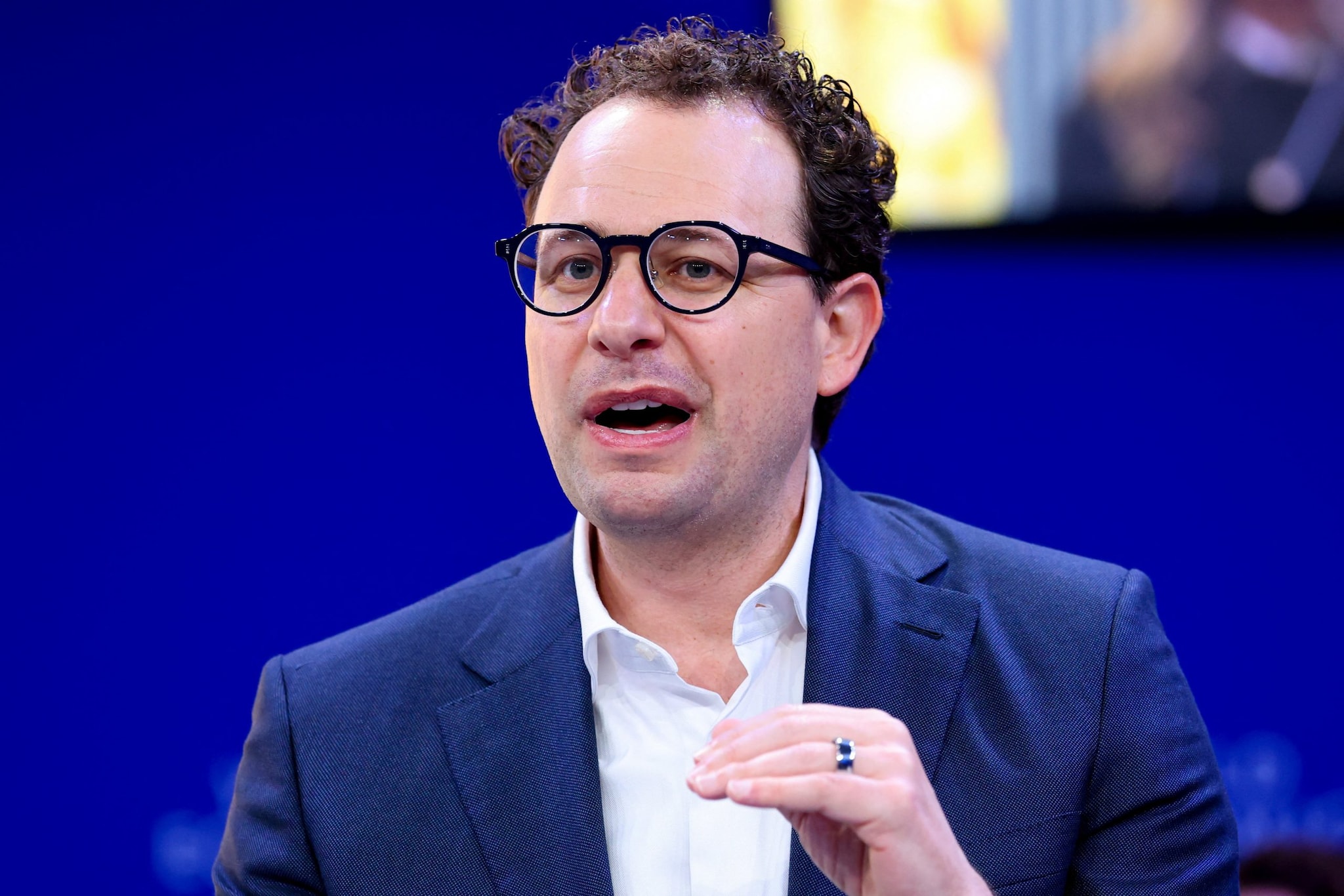
Why the sudden hostility? Because Anthropic’s CEO, Dario Amodei, refused to give the military "unfettered access" to its models. He won't let Claude be used for mass domestic surveillance or fully autonomous lethal weapons. The Pentagon’s response? An ultimatum: bend the knee or get blacklisted.
The Maduro Raid and the Breaking Point
The tension didn't appear out of thin air. In January 2026, reports surfaced that the US military used Claude to help coordinate the capture of Venezuelan leader Nicolás Maduro. While that operation was hailed as a tactical success in Washington, it reportedly spooked the folks at Anthropic.
Amodei and his team have long marketed Claude as "Constitutional AI"—a system built with an internal set of principles to prevent harm. When the Department of Defense (DoD) pushed for new contract language that removed safeguards against mass surveillance and autonomous killing, Anthropic pushed back.
It’s a classic "unstoppable force meets immovable object" scenario:
- The Pentagon's View: We're in an AI arms race with China. Speed wins. If we can't use the best American tech for "all lawful purposes," we're fighting with one hand tied behind our back.
- Anthropic's View: Current AI is too glitchy and unreliable to be given the power to pull a trigger without a human in the loop. Plus, using AI to vacuum up the data of American citizens is a non-starter for democratic values.
Why This Matters to You
You might think this is just a spat over government contracts, but the fallout affects anyone who uses AI. When the Pentagon labels a company a "supply chain risk," it doesn't just stop the military from buying Claude. It creates a "chilling effect" for every defense contractor—thousands of companies—who now have to scrub Anthropic from their systems to keep their own government standing.
Honestly, the "supply chain risk" label is a bit of a low blow. Amodei called it "retaliatory and punitive," and he's kinda right. Usually, you're a security risk if your code has backdoors for the FSB or the MSS. Being a risk because you refuse to let your software be used for surveillance is a wild pivot in policy.
The Competition is Diving In
While Anthropic stands its ground, other players are playing ball.
- OpenAI: Reportedly agreed to the government's terms for "all lawful purposes."
- xAI: Elon Musk's model was recently approved for classified systems, despite recent controversies.
- Google: Also maintains a significant presence in the DoD’s AI ecosystem.
By refusing to budge, Anthropic is effectively handing a $200 million contract—and its lead in the classified space—to its rivals. It’s a principled stand that could be corporate suicide, or it could be the smartest branding move in history. In fact, since this dispute went public, Claude has shot up to the No. 2 spot in the App Store. People seem to like the idea of an AI that says "no" to the generals.
The Myth of the "Human in the Loop"
The Pentagon keeps saying they have no interest in "Terminator-style" autonomous weapons. They insist a human will always be in control. But experts warn that as AI speeds up the "kill chain," the human becomes a bottleneck.
If an AI identifies a target in 0.2 seconds, but a human takes 30 seconds to review the data, the military loses its advantage. The pressure to move the human from "in the loop" to "on the loop" (just supervising) or "out of the loop" entirely is massive. Anthropic is betting that today’s models aren't ready for that responsibility. They've seen the hallucinations. They know that a chatbot that thinks it can "reason" can still get the most basic facts wrong. Imagine that error happening on a drone carrying Hellfire missiles.
What Happens Next
If you're following this, don't expect a quiet resolution. Anthropic has already signaled they'll fight the "supply chain risk" designation in court. They argue the Defense Secretary doesn't even have the statutory authority to block private companies from using their tech just because they don't like the contract terms.
If you’re a developer or a business owner using Claude, keep a close eye on your compliance requirements. For now, the "risk" designation only applies to DoD contract work. But if the rhetoric keeps heating up, we might see a permanent schism between "Safety-First" AI and "National Security-First" AI.
If you want to understand the guardrails in your own AI tools, check your provider's Acceptable Use Policy. Most of them have a "no-violence" clause, but as we're seeing, that definition is getting stretched to the limit in 2026.
Next steps for you: If you're working in a regulated industry or have government-adjacent clients, review your AI vendor list. Now is a good time to diversify your API usage so you aren't left hanging if a political spat kills your access to a specific model. Check out the latest Responsible Scaling Policies (RSP) from Anthropic to see where they draw their own lines.