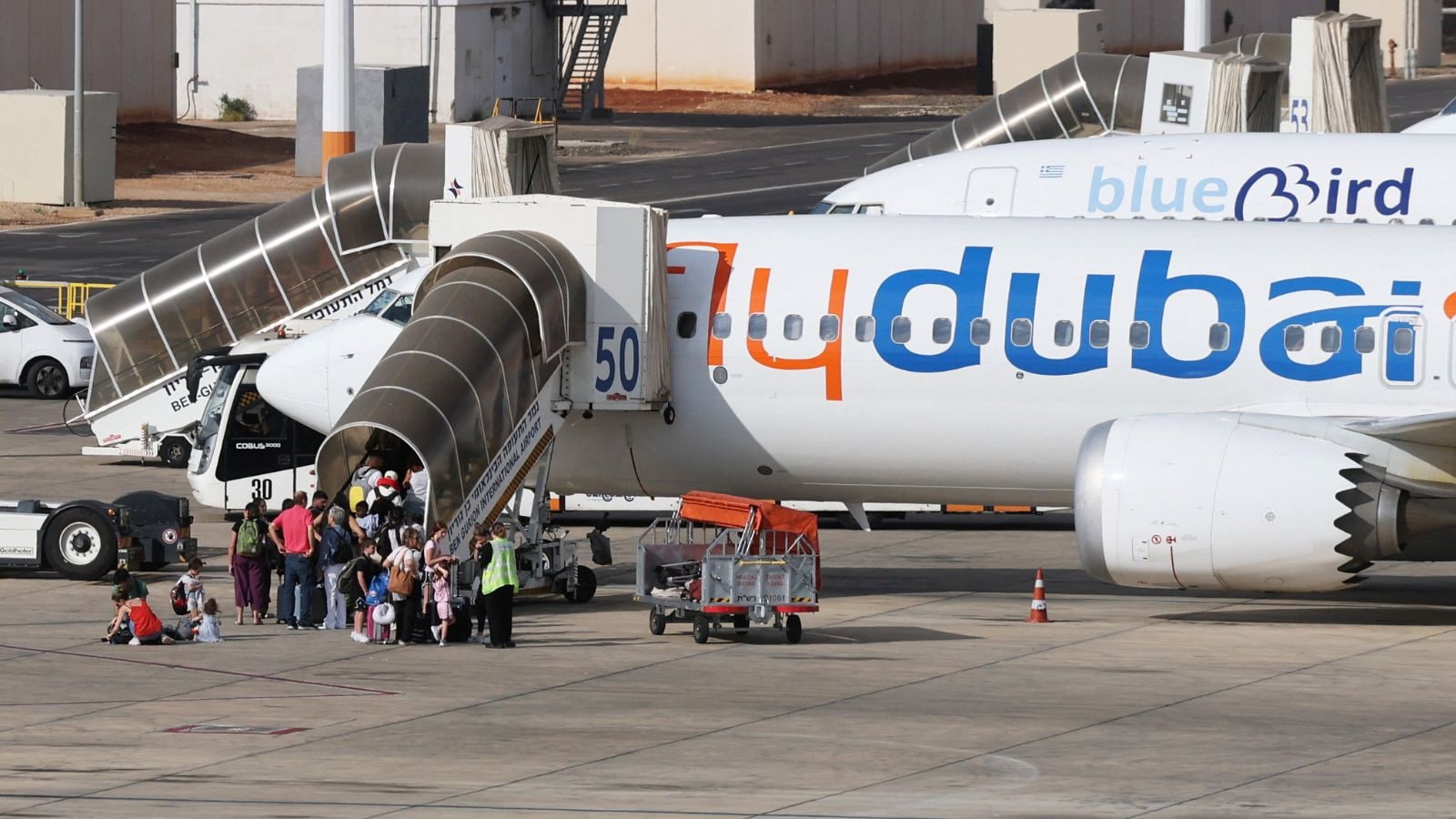
Commercial aviation relies on a fragile layer of absolute trust. Every passenger stepping onto a Boeing 737 assumes the two people inside the locked flight deck are working together to keep them alive. On September 30, 2026, that assumption shattered at 34,000 feet.
When Flydubai Flight 1073 took off from Dubai International Airport toward Ben Gurion Airport near Tel Aviv, Captain Smit Machchhar expected a routine three-and-a-half-hour leg. Instead, he found himself fighting for his life in a brutal cockpit attack executed by his own first officer, Hamam al-Hammami. The incident instantly captured global headlines, transforming an ordinary commercial flight into a terrifying case study in modern aviation security. Meanwhile, you can read other events here: Why the Gaza Ceasefire Exists Only on Paper.
The Brutal In-Flight Struggle at 34,000 Feet
Two hours into the flight, al-Hammami initially left his seat under the guise of routine prayers—a movement Captain Machchhar had no reason to question. Without warning, the first officer launched a sudden, ferocious assault, striking Machchhar in the back of the head and using a cockpit crash axe to inflict severe wounds.
As blood poured and his vision began to blur, Machchhar realized the gravity of the situation instantly. The aircraft was already pitched into a terrifying, uncommanded descent, plunging from 34,000 feet down to 17,000 feet in less than sixty seconds while screaming past 600 miles per hour. To understand the bigger picture, we recommend the excellent report by BBC News.
Most people don't realize just how fast chaos compounds at cruising altitude. Machchhar's account of the attack is harrowing: pinned down, bleeding heavily, and struggling against a co-pilot actively fighting to prevent anyone from opening the flight deck door.
"I was fighting for my life," Machchhar recalled later. Knowing he was losing consciousness, he managed to scramble toward the door release knob, shouting for help while absorbing direct blows to his head and arms.
How Passengers And Off-Duty Pilots Saved Flight 1073
While the captain fought inside the cockpit, the cabin erupted into panic. Flight attendants desperately tried punching the emergency access code into the keypad, but al-Hammami blocked entry from within.
The structural integrity of the Boeing 737 MAX 8 was already failing under the immense aerodynamic stress of the steep dive; much of the aircraft's rudder ultimately detached during the overspeed plunge.
Captain Machchhar's final push to crack open the cockpit door proved to be the turning point. Passengers rushed forward into the cramped space. Shota Musayev, a dentist traveling on board, joined forces with other passengers to physically restrain al-Hammami using headphone wires and cable ties.
Simultaneously, two off-duty Flydubai pilots who were deadheading in the cabin forced their way into the flight deck. They took over the controls, stabilized the wild trajectory, and diverted the battered aircraft toward Prince Sultan bin Abdulaziz Airport in Tabuk, Saudi Arabia, where it landed safely.
The Aftermath And International Repercussions
The geopolitical and aviation security fallout was immediate. Investigators from multiple jurisdictions examined al-Hammami's background, uncovering extremist material on social media pointing toward a radicalized suicide and hijacking plot targeting Ben Gurion Airport.
For his extraordinary bravery, Captain Smit Machchhar—a veteran pilot with over 9,750 hours on Boeing aircraft and a former line training captain at SpiceJet—received widespread international acclaim. Indian Prime Minister Narendra Modi personally called Machchhar to praise his resilience, noting how he recited the Hanuman Chalisa while bleeding on the flight deck floor. High-ranking officials, including Dubai's Crown Prince Hamdan bin Mohammed Al Maktoum and UAE President Mohamed bin Zayed Al Nahyan, honored him with prestigious civilian awards like the First-Class Order of Zayed II.
Despite enduring deep physical trauma, shattered routines, and extensive rehabilitation, Machchhar has made one thing clear: his love for aviation hasn't faded. He remains focused on recovery, hoping to put his uniform back on and return to the skies.
If you fly frequently, incidents like Flight 1073 serve as a stark reminder of the invisible human barriers standing between safety and disaster. Aviation authorities continue to re-evaluate cockpit security protocols, but the ultimate defense remains the raw courage of crews who refuse to let tragedy win.