Every few months, a fresh wave of headlines screams that the United States is on high alert for imminent Iranian attacks against Americans. Your phone buzzes with breaking news alerts, cable pundits dust off maps of the Strait of Hormuz, and social media immediately splits into two loud camps—one predicting World War III by Tuesday, the other dismissing the whole thing as manufactured political theater.
Both sides miss the actual point.
When American intelligence agencies raise threat levels regarding Iran, they're rarely talking about a Hollywood-style surprise invasion or a coordinated wave of sleeper cells hitting shopping malls across Ohio. The reality is much quieter, far more calculated, and honestly a lot harder for Western security planners to stop. To understand why the U.S. goes on alert—and what Iran is actually planning—you have to stop looking at conventional military playbooks and start looking at how Tehran has operated for the last four decades.
The Real Reason the U.S. Goes on Alert
Intelligence warnings don't happen in a vacuum. When the Department of Homeland Security, the FBI, or the Pentagon signals heightened vigilance regarding Iran, it's almost always tied to a specific trigger in the Middle East or a specific calendar date.
Think about the pattern over the past several years. Following the January 2020 U.S. drone strike that killed Islamic Revolutionary Guard Corps (IRGC) Quds Force commander Qasem Soleimani in Baghdad, Tehran made an explicit, public vow of revenge. That wasn't empty rhetoric. In the intelligence world, public vows from senior Iranian leadership carry weight because regime credibility depends on following through—even if it takes years.
Since 2020, U.S. federal indictments and intelligence assessments have repeatedly documented Iranian plots targeting current and former U.S. officials on American soil. You've probably seen the names in Department of Justice filings: former National Security Advisor John Bolton, former Secretary of State Mike Pompeo, and former special envoy Brian Hook. Prosecutors unsealed charges against IRGC operative Shahram Poursafi in 2022 for allegedly trying to pay $300,000 to have Bolton assassinated in Washington, D.C. or Maryland.
That's the first huge misconception people have. When Washington says Iran is planning attacks on Americans, "Americans" often means very specific, high-profile individuals tied to the Trump administration's "maximum pressure" campaign or the Soleimani strike, alongside Iranian dissidents living in exile.
The Regional Flashpoint Factor
There's a second trigger that spikes U.S. alert levels: active conflict between Israel and Iran, or between Israel and Iran-backed groups like Hezbollah in Lebanon and the Houthis in Yemen.
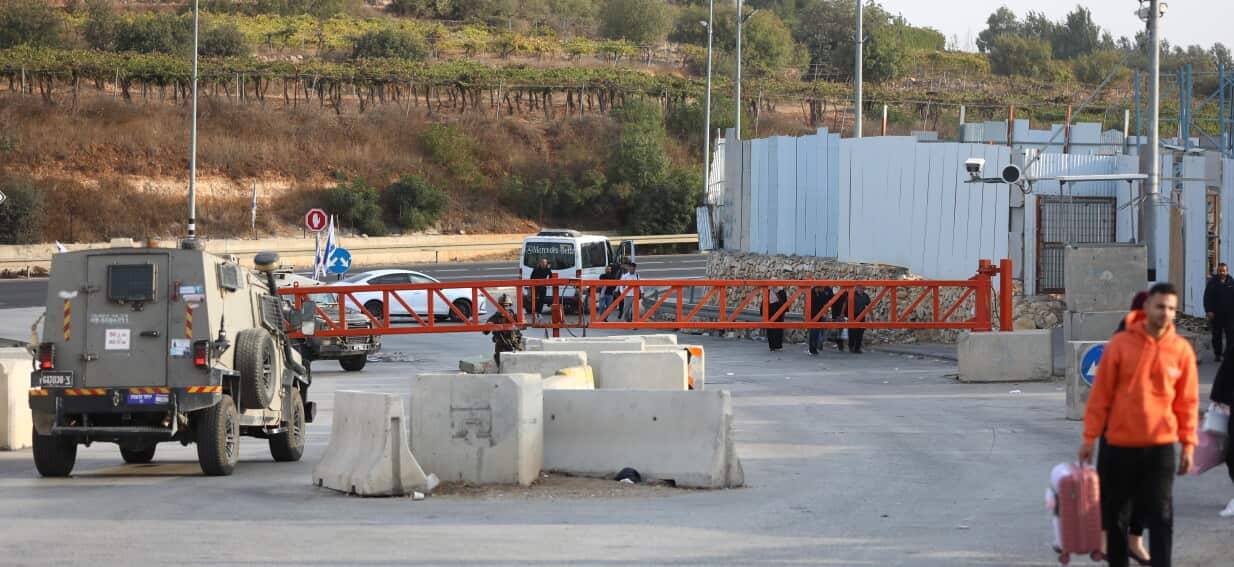
Whenever direct military exchanges flare up in the Levant or the Persian Gulf, U.S. forces stationed in Iraq, Syria, and Jordan instantly become the most accessible pressure valve for Tehran. American bases in the region—like Al-Asad Airbase in Iraq or the Tower 22 outpost in Jordan—sit within easy reach of ballistic missiles and one-way attack drones operated by Iran's regional partners. In January 2024, a drone strike launched by the Islamic Resistance in Iraq killed three U.S. service members at Tower 22. Tehran doesn't need to strike New York to make Washington bleed; hitting a remote desert garrison achieves immediate political shock in the U.S. without crossing the threshold into a full-scale invasion.
How Iran Actually Operates Inside the United States
If you want to understand the mechanics of an Iranian threat on U.S. soil, forget the image of highly trained Iranian commandos sneaking across the border. That's almost never how Tehran works abroad.
Instead, the IRGC and Iran's Ministry of Intelligence and Security (MOIS) rely heavily on cutouts—local criminals, drug traffickers, and mercenaries hired through encrypted apps or third-party fixers. It's a classic intelligence tradecraft move designed to preserve plausible deniability. If a hired gun gets caught in Brooklyn or Maryland, Tehran can shrug and claim it was just local street crime.
Look at the actual court records from the Southern District of New York and elsewhere:
- The Masih Alinejad plots. Iranian intelligence operatives repeatedly targeted Iranian-American journalist and activist Masih Alinejad at her home in Brooklyn. In 2021, federal prosecutors charged an Iranian intelligence network with plotting to kidnap her and whisk her back to Iran via speedboat to Venezuela. When that failed, Tehran turned to Eastern European organized crime figures. In 2022, a man carrying a loaded AK-47-style assault rifle was arrested outside her house. Later indictments tied the hit directly to members of the "Thieves-in-Law," a Russian-speaking criminal syndicate hired by Iranian officials.
- Criminal-for-hire networks. In early 2024, the U.S. and U.K. sanctioned a network led by Iranian narcotics trafficker Naji Sharifi Zindashti, who operated out of Iran with the backing of the Ministry of Intelligence. According to the U.S. Treasury Department, Zindashti used criminal associates—including members of the Hells Angels motorcycle gang—to plot assassinations of Iranian dissidents in Maryland and Canada.
See the pattern? Tehran outsources the messy work. While that gives Iran deniability, it's also their biggest operational weakness. Local criminals talk, get greedy, make sloppy digital mistakes, or accidentally hire undercover FBI informants. That's why so many of these plots get rolled up before a shot is fired.
Why Everyday Americans Aren't the Primary Target
Let's be brutally honest here. If you're an average American citizen living in Chicago, Austin, or Seattle, the odds of you being personally targeted by an Iranian operative are virtually zero.
Why? Because indiscriminate mass-casualty attacks against American civilians carry catastrophic risks for the Iranian regime, with almost zero strategic upside.
Tehran's leadership is ruthless, ideological, and deeply hostile to American power, but they aren't suicidal. They know full well that a major terror attack on U.S. soil killing dozens or hundreds of ordinary citizens would unite the American public overnight and guarantee a devastating military response against Iran's oil infrastructure, nuclear facilities, and regime leadership. They watched what happened to Afghanistan and Iraq after 9/11. They have no desire to invite a massive U.S. bombing campaign onto Tehran.
What Iran actually wants is deterrence and asymmetric leverage. They want Washington to feel that hitting Iranian commanders or squeezing Iran's economy carries a direct, personal cost for American decision-makers and U.S. troops abroad.
The Invisible Front Line Cyber and Influence Operations
While kinetic assassination plots grab all the cable news oxygen, the attacks Iran actually launches against Americans every single week happen through fiber-optic cables, not gun barrels.
If you ask cybersecurity officials at the Cybersecurity and Infrastructure Security Agency (CISA) or Microsoft Threat Intelligence what keeps them awake at night regarding Iran, they won't start with car bombs. They'll talk about destructive cyberattacks and hack-and-leak operations.
Iran's cyber capabilities aren't quite on the elite tier of Russia or China, yet they're aggressive, persistent, and reckless enough to cause real disruption. In late 2023, an IRGC-affiliated cyber group calling itself "Cyber Av3ngers" breached programmable logic controllers made by an Israeli firm that were being used at several U.S. water utilities, including the Municipal Water Authority of Aliquippa in Pennsylvania. They didn't poison the water, and operators switched to manual backups quickly, but the message was unmistakable: Iran is actively probing critical American infrastructure for soft spots.
Beyond infrastructure, Tehran runs relentless digital influence campaigns aimed at polarizing American voters. According to assessments from the Office of the Director of National Intelligence (ODNI) and tech firms like OpenAI and Meta, Iranian actors routinely set up fake news sites, impersonate American activists on both the far left and far right, and amplify divisive domestic protests to erode trust in U.S. institutions.
It's cheap, it's scalable, and it hurts America from the inside without triggering a single Tomahawk missile strike in retaliation.
What "On Alert" Actually Means Behind the Scenes
When news breaks that the U.S. is "on alert" for Iranian attacks, people picture soldiers scrambling onto tarmac runways. Sometimes that happens in the Persian Gulf, where the Pentagon deploys additional fighter squadrons, Patriot air defense batteries, or carrier strike groups to deter a regional escalation.
Domestically, "on alert" looks much different:
- Increased protective details. The Secret Service and Diplomatic Security Service quietly expand 24/7 protection for former officials and high-risk dissidents. Those security details alone cost American taxpayers tens of millions of dollars a year.
- Heightened FBI counterintelligence surveillance. Field offices prioritize monitoring known criminal networks, suspicious financial transfers, and digital chatter linked to suspected Iranian cutouts.
- Private-sector briefings. CISA and the FBI push classified or restricted threat indicators to water utilities, energy grids, hospitals, and financial institutions so network defenders can patch specific vulnerabilities before Iranian hackers exploit them.
- Embassy and base posture changes. Overseas, the State Department issues travel advisories, restricts non-essential personnel movement in places like Baghdad or Beirut, and orders U.S. bases to tighten force protection protocols.
How to Read the Next Headline Without Panicking
The next time you see a breathless headline asking whether Iran is about to attack Americans, don't let cable news panic dictate your blood pressure. Filter the noise through three quick questions:
- Who is the alleged target? Is it U.S. troops in a contested Middle Eastern base, a former national security official, an Iranian dissident, or a municipal water system? Each carries a completely different risk profile.
- What just happened in the region? U.S. threat warnings almost always spike immediately after an Israeli strike on Iranian assets, new U.S. sanctions, or the anniversary of a major event like the Soleimani assassination.
- Is the threat kinetic or digital? An assassination plot by hired thugs is a law enforcement and counterintelligence problem; a cyber alert from CISA means your local hospital or utility company needs to update its firewall software immediately.
If you work in critical infrastructure, local government, or corporate IT, treat U.S. alerts on Iran as an immediate prompt to audit your multi-factor authentication, patch exposed industrial control systems, and lock down public-facing servers. For everyone else, recognize these alerts for what they really are—not the opening bell of an apocalypse, just the ongoing, shadow-level friction of a forty-year cold war that never actually stopped.