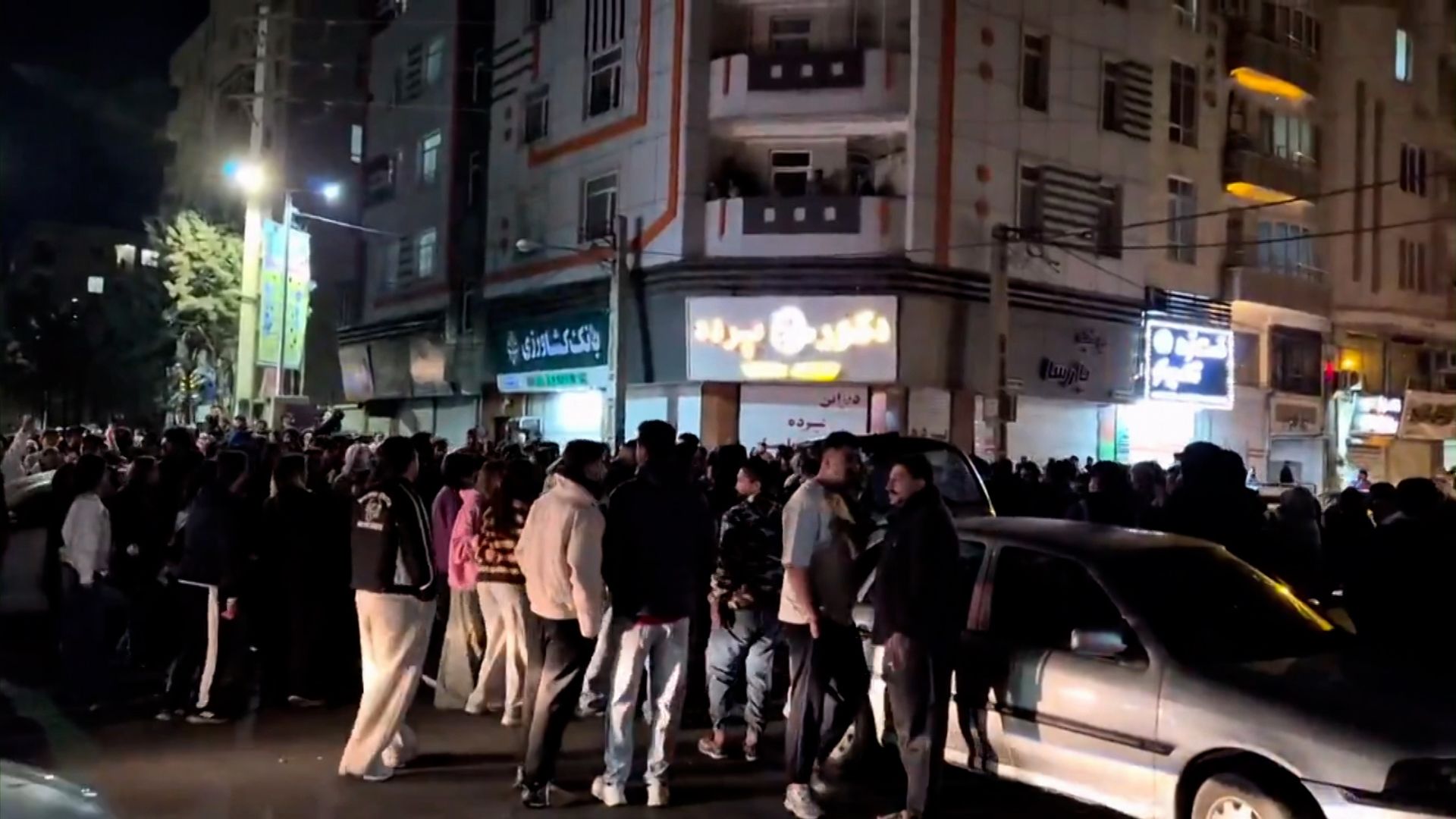
The world woke up today to a reality that seemed impossible just 48 hours ago. Ayatollah Ali Khamenei is dead. After nearly four decades of iron-fisted rule, the "Shadow of God" on Earth was erased in a joint US-Israeli strike on February 28, 2026. If you're watching the state-sanctioned feeds, you're seeing a sea of black-clad mourners and hearing rhythmic chants of "Death to America." But if you think that's the whole story, you're falling for a carefully curated performance.
Inside Iran, the atmosphere isn't just grief. It’s a chaotic, electric, and terrifying mix of euphoria and dread. For millions of Iranians, the news didn't bring tears; it brought fireworks. While the government declares 40 days of mourning, the streets of Karaj and Tehran have echoed with the sounds of car horns and illegal dancing. This isn't just a change in leadership. It’s the popping of a pressure cooker that's been simmering since the "Woman, Life, Freedom" movement of 2022 and the brutal crackdown of January 2026.
The Divided Streets of a Post Khamenei Iran
You can’t talk about "the Iranian reaction" as one thing. Iran is currently a country of two parallel universes.
In the first universe, the regime's base is in genuine mourning. For the Basij and the IRGC (Islamic Revolutionary Guard Corps), Khamenei wasn't just a politician; he was the spiritual anchor of their entire identity. We’re seeing massive gatherings at Enqelab Square, where the grief is visceral. These are the people with everything to lose. They see the strike—which also killed Khamenei’s daughter and grandchild—as a "cynical murder" that violates every international norm. Their reaction is one of pure, unadulterated rage and a demand for a "holy jihad" against the West.
Then there’s the second universe. This is the Iran that communicates through Starlink and VPNs. In cities like Shiraz and Sanandaj, residents have been leaning out of windows shouting in celebration.
"I’m crying, laughing, screaming and experiencing every feeling in the world in three seconds," one user posted on X shortly after the news broke.
This isn't just "pro-Western" sentiment. It’s the reaction of a population that has watched its currency, the rial, collapse to 1.4 million per dollar while the government funneled billions into security and regional proxy wars. For them, Khamenei’s death feels like the first breath of fresh air in 37 years.
Why the Celebration is Tempered by Disbelief
If you've spent any time following Iranian politics, you know that rumors of Khamenei's death have circulated for years. This time, the "state of shock" is deeper because the confirmation came from the Islamic Republic’s own media.
Many Iranians are still waiting for "proof of life" or "proof of death." There’s a widespread fear that this could be a trap or that the regime will simply swap one turban for another. The skepticism is rooted in decades of trauma. People remember the 36,000 killed in the January 2026 protests. They remember the "Twelve-Day War" in 2025. They aren't just happy; they’re wary.
The reaction isn't just "He's gone, we're free." It’s "He’s gone, but who is going to kill us next?" There’s no organized opposition waiting in the wings to take over. While Prince Reza Pahlavi has called this the end of the Islamic Republic, the IRGC still holds the guns, the banks, and the oil.
The Succession Crisis Nobody is Ready For
Under the Iranian constitution, a temporary council—President Masoud Pezeshkian, Judiciary Chief Gholamhossein Mohseni Ejei, and a member of the Guardian Council—is now in charge. They have a massive problem. The Assembly of Experts is supposed to pick a new Supreme Leader "as soon as possible," but how do you do that when your capital is under threat of more airstrikes?
Potential Successors on the Shortlist
- Mojtaba Khamenei: The son. He’s been the power behind the throne for years, but "hereditary" rule is a tough sell in a republic born from a revolution against a Shah.
- Hassan Khomeini: The grandson of the original revolutionary leader. He’s seen as a more moderate "bridge" figure, but the hardliners hate him.
- Gholamhossein Mohseni Ejei: The current Judiciary Chief. He’s a "law and order" guy who wouldn't hesitate to use force to keep the system alive.
The reality? The IRGC might not even want a new Supreme Leader. They might prefer a military junta where they don't have to answer to a cleric at all.
What This Means for Your Security
If you’re reading this from outside Iran, don't think this is just "local news." The reaction of the Iranian military has been to close the Strait of Hormuz. That’s a direct hit on the global economy.
Oil prices are already spiking. The Iranian government has threatened to declare Islamic jihad against the West. This isn't a "clean" regime change. It’s a messy, violent decapitation of a state that still has thousands of missiles and a very angry, very well-armed Revolutionary Guard.
The next few weeks will be the most dangerous in the Middle East since 1979. The Iranian people are caught between a celebratory hope for a new future and the very real possibility of a civil war or a full-scale regional conflict.
What You Should Watch For
- The Friday Prayer: The first major public sermon after the 40-day mourning period starts will be the "vibe check" for the regime's stability.
- Internet Connectivity: If the government cuts Starlink or local networks again, expect the street violence to escalate.
- IRGC Movement: Watch if the military stays in the barracks or takes over the administration buildings. If the latter happens, the "Islamic Republic" is officially a military dictatorship.
Don't buy the narrative that Iran is a monolith of grief. It’s a fractured nation finally confronting a future it never thought it would see. The "reaction" isn't over; it's just beginning.
If you want to stay updated on the ground-level shifts in Tehran, follow the hashtags being used by the Iranian diaspora—they’re often 12 hours ahead of the mainstream news cycles.


