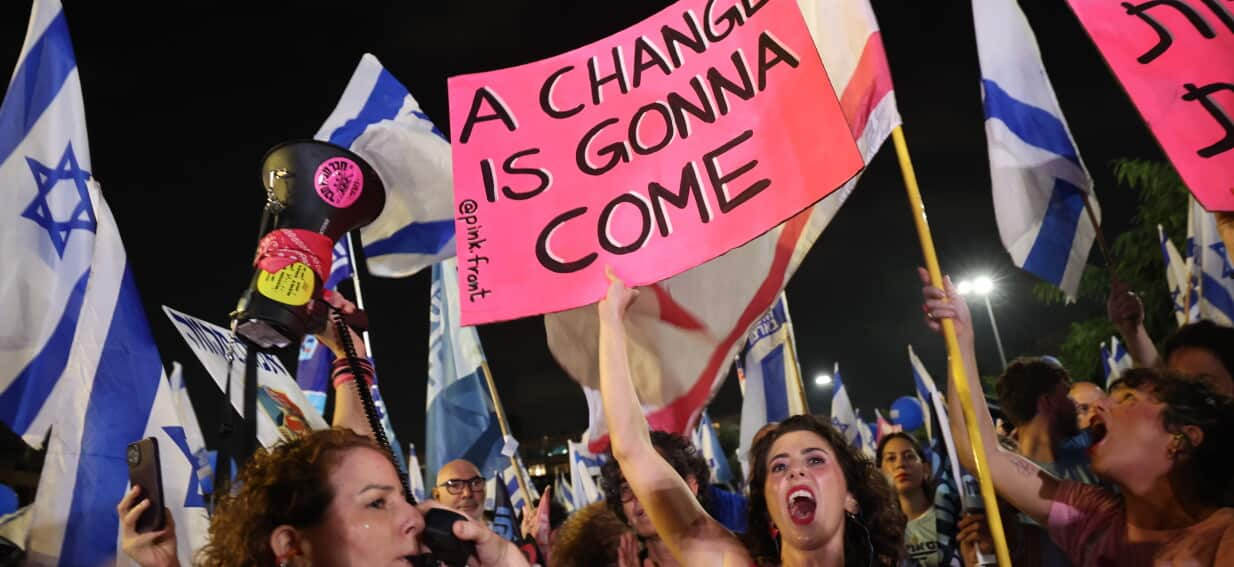
Elections in Israel rarely feel boring. But the aftermath of the vote hits differently this time. You're looking at a deeply fractured parliament, ongoing regional conflicts, and a political class scrambling to assemble a coalition before deadlines force another constitutional crisis. If you only follow the surface-level headlines, you'll miss the messy reality of how Israeli governance actually works under extreme pressure.
Most foreign observers assume an election produces a clear winner or loser. That is not how a parliamentary democracy operates. Citizens cast ballots for political parties, not individual leaders. When the dust settles on election night, no single party holds the 61 seats required for a majority in the 120-seat Knesset. The real fight begins after the votes are counted. Politicians spend weeks wheeling, dealing, and trading concessions to cobble together a functional coalition.
Why This Vote Broke the Mold
This election carried historic weight. It marked the first time Israelis headed to the polls since the devastating October 7, 2023 attacks and the subsequent wars. Society remains deeply scarred. Questions regarding intelligence failures, military preparedness, and the ultimate accountability of long-serving Prime Minister Benjamin Netanyahu dominated every single debate.
Voters turned out in massive numbers because the stakes felt existential. Yet, instead of providing closure, the election delivered a stalemate. Neither the incumbent right-wing bloc nor the center-left opposition secured an outright majority. This left minor parties and Arab factions holding potential kingmaking power, throwing the political system into deep paralysis.
The Conscription Battle No One Can Ignore
Behind the high-stakes rhetoric about security and foreign policy lies an internal domestic battle that infuriates average citizens: military draft exemptions for ultra-Orthodox Jews.
For decades, young men studying in religious institutions received formal exemptions from mandatory military service. But after years of grueling combat and hundreds of thousands of reservists serving extended, punishing tours, public patience evaporated. Secular and moderate Israelis are demanding an "equality of burden". Netanyahu's traditional political survival depends heavily on ultra-Orthodox parties that flatly reject ending these exemptions. Opposition figures like former military chief Gadi Eisenkot have made ending these exemptions a core pillar of their platform, driving a permanent wedge through potential coalition math.
The Four Painful Scenarios
With President Isaac Herzog handing mandates to figures like Eisenkot to try to form a government, political analysts point to a few grim possibilities:
- A Broad Unity Government: The most logical arithmetic on paper combines Likud, Eisenkot's faction, and other right-of-center figures like Naftali Bennett. They agree on core security issues, but massive personal rivalries and stubborn egos keep blocking the path.
- Narrow Coalition Compromises: Leaders can try cutting deals with fringe ideological parties, but doing so alienates the broader public and invites immediate instability.
- Relying on Arab Factions: Some opposition strategists eye support from Arab-led parties, but crossing that political Rubicon risks alienating nationalist voters entirely.
- Another Election Cycle: If everyone refuses to compromise, Israel rolls the dice on yet another election, dragging the country deeper into economic and political fatigue.
Navigating these hurdles requires politicians to abandon rigid ideological talking points. Right now, personal ambition is overriding national stability. Until someone blinks and offers serious concessions, the political gridlock will remain absolute.
Tight Israeli election leaves no party with a clear majority
This video provides additional context on the tight vote margins and the complex coalition negotiations following the Israeli election.


