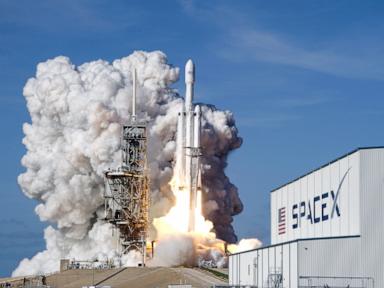
Wall Street is preparing for the biggest stock market debut in history. SpaceX just revealed it wants to raise around $75 billion by selling 555.6 million shares at $135 each. If the company pulls this off when it lists on Nasdaq, the space giant will instantly hit a market valuation of $1.77 trillion.
That massive number does something crazy to Elon Musk's personal balance sheet. Because he holds roughly 42% of the capital and retains 82.4% of the voting power, this single event could instantly push his net worth past the $1 trillion mark. For a closer look into similar topics, we suggest: this related article.
But don't buy into the retail hype just yet. Behind the flashy headlines about rocket ships, Mars colonies, and the world's first trillionaire lies a massive financial reality check that most everyday investors are completely missing.
The Starlink Cash Cow Meets the AI Cash Burn
If you look at why institutional investors are willing to pay a premium for SpaceX, you have to look at Starlink. The satellite internet network generated $11.4 billion in 2025, which made up 61% of SpaceX's $18.7 billion total revenue. Starlink works. It scales. It holds a distinct advantage because nobody else can launch satellites as cheaply as the company that owns the rockets. To get more background on this topic, detailed reporting is available at MarketWatch.
But the financials get incredibly messy the moment you look under the hood of the recent merger. In February 2026, Musk merged SpaceX with his artificial intelligence venture, xAI. That combination is what ballooned the company's valuation from an $800 billion private tender offer late last year to the current $1.77 trillion IPO target.
The problem? AI is staggeringly expensive. SpaceX posted a massive $4.28 billion GAAP net loss in the first quarter of 2026 alone. The company's accumulated deficit has now climbed to $41.3 billion. Dig into the SEC filings, and you find out that the xAI operations burned through $2.5 billion in just three months. They're spending historic amounts of cash to build solar-powered infrastructure for data centers and are even looking into building their own graphics processing units to cut down on costs.
Why Institutional Analysts Think the Valuation Is Insane
The public markets love Musk, but independent analysts are already waving red flags. The team over at Morningstar recently initiated coverage on SpaceX and slapped it with a valuation of $780 billion. That's about 56% lower than what the IPO is asking for.
Analysts aren't questioning the rocket business. The Falcon 9 and Starship programs give SpaceX a narrow economic moat because their reusable tech keeps launch costs far below legacy competitors like United Launch Alliance or European alternatives. The real skepticism centers on the AI business. Nobody knows if combining an aerospace manufacturer with a generative AI startup makes long-term strategic sense. It looks less like operational synergy and more like using a successful rocket company to bankroll an incredibly expensive AI arms race.
Furthermore, running two separate companies valued at over $1 trillion each is a massive operational risk. Musk is already split between Tesla, SpaceX, xAI, and his other ventures. Institutional fund managers are quietly worrying about whether one person can effectively manage this much corporate weight without dropping the ball.
The Trillionaire Math Behind Musk's Wealth
To understand how Musk crosses the trillion-dollar line, you have to look at how his shares are structured. He isn't selling a single share in this offering. Instead, he's tightly holding onto his Class B stock, which gives him 10 votes per share.
Forbes currently tracks his net worth around $825 billion. When the IPO goes live at the $135 share price, his stake in SpaceX alone will jump past $735 billion. Combine that with his holdings in Tesla and his personal assets, and his wealth will comfortably clear $1 trillion.
But wealth on paper isn't cash in the bank. If public investors get cold feet about the massive quarterly losses from the AI division, the stock could easily tumble post-listing. If you're a retail investor looking to buy the ticker SPCX on day one, you need to realize you aren't just buying a ticket to Mars. You're funding a highly speculative AI experiment.
Your Best Moves Before the June 12 Listing
Don't let FOMO dictate your portfolio decisions. If you want exposure to the commercial space economy without taking on the extreme valuation risks of this debut, you have better options than rushing into the opening day chaos.
First, check your existing thematic exchange-traded funds. Many growth and space-focused ETFs already hold private shares of SpaceX or will automatically add the stock after the listing stabilizes. Buying through a diversified fund shields you from the inevitable day-one volatility.
Second, look at the indirect winners. Alphabet invested $1 billion into SpaceX back in 2015 alongside Fidelity. That stake has appreciated roughly 64 times over and will be worth around $64 billion post-IPO. Alphabet offers a much safer, highly profitable way to benefit from SpaceX's growth without paying the astronomical premium that Musk's personal trillionaire narrative is currently driving.
If you do decide to buy individual shares of SPCX, treat it like a venture capital investment. Put in only what you can afford to lose, expect massive swings in price as the company reports its quarterly AI expenditures, and ignore the billionaire gossip columns.