You can always count on a high-stakes real estate fight to bring out Toronto's heavy hitters. This time, legendary author Margaret Atwood has stepped directly into the crosshairs of the province's latest development push. She isn't alone. Atwood has joined a massive, multi-industry coalition of heavyweights—ranging from former Ontario Premier Bob Rae to hockey icon Hayley Wickenheiser—all signing their names to an open letter taking aim at the federal government.
The target? The proposed expansion of Billy Bishop Toronto City Airport.
If you've been following the news, the headline might seem like a standard local NIMBY dispute. It isn't. This battle isn't just about local noise or wealthy island residents protecting their view. It's a fundamental clash over who controls the future of Toronto’s waterfront, pitting Premier Doug Ford’s aggressive, infrastructure-first provincial government against a fierce coalition of citizens trying to force Prime Minister Mark Carney’s federal government to intervene.
The Open Letter That Changed the Narrative
The latest escalation landed in the form of an open letter addressed directly to Prime Minister Mark Carney. The timing isn't accidental. The federal government just kicked off public consultations regarding the future of the island airport, specifically looking at whether to lengthen the runway to allow commercial jets to land right on the edge of downtown Toronto.
The letter, backed by over two dozen prominent figures including theater mogul David Mirvish and former Toronto mayors, demands a total reality check. They aren't just asking for a few tweaks to the design. They want a complete halt until the public gets real, unvarnished data about what this project actually costs.
“Large infrastructure decisions shape cities for generations,” the letter warns. “Once major physical urban transformations occur on the Inner Harbour, they will be impossible to reverse.”
The core of their argument focuses on transparency. The coalition claims that the current expansion talks are happening in a vacuum, without giving Torontonians the full picture of the economic trade-offs, environmental costs, and public spaces that will have to be sacrificed. They want unbiased public hearings. More importantly, they want the federal government to remember that it holds the ultimate veto.
Doug Ford's Power Grab vs. Federal Control
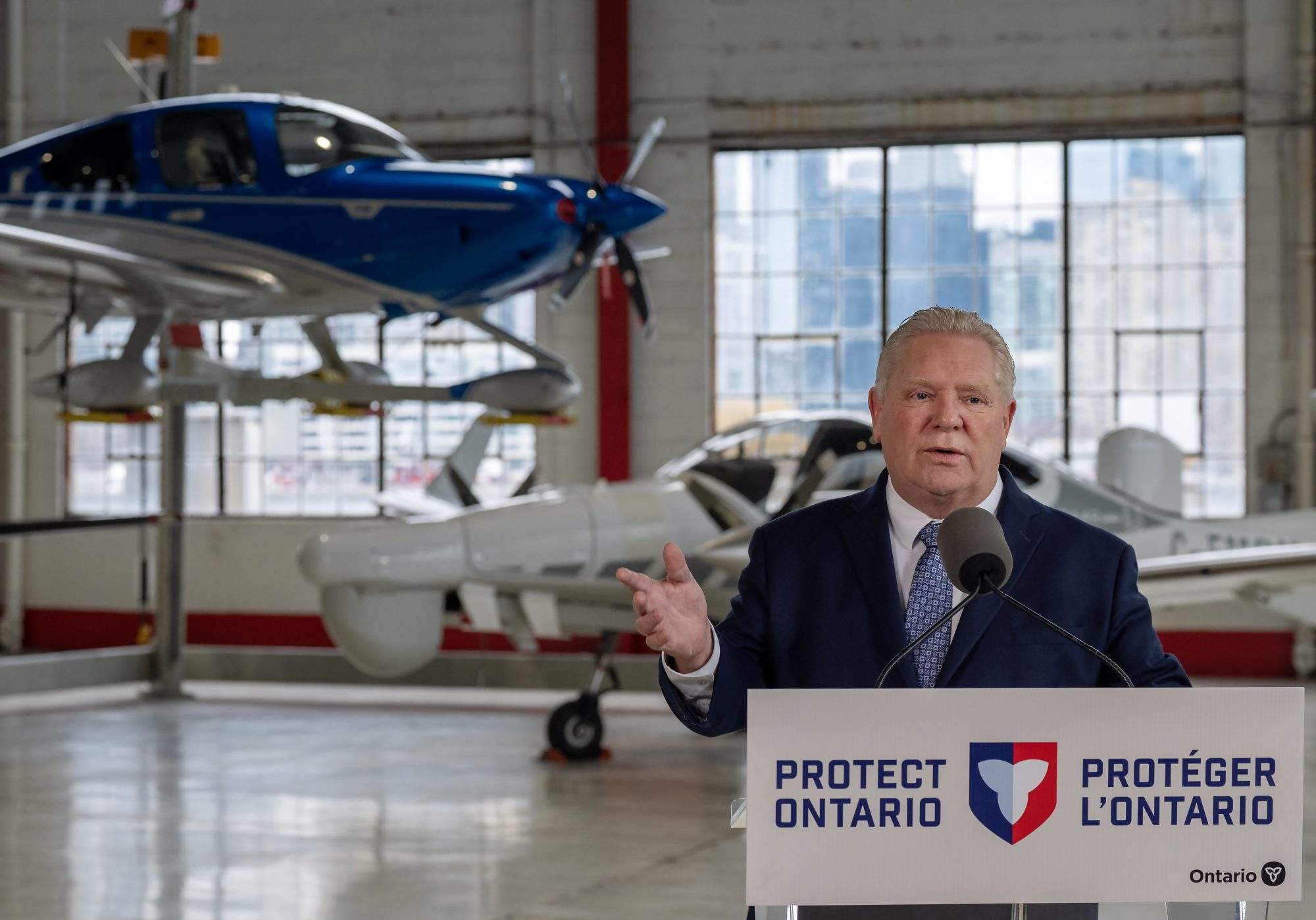
To understand why Atwood and company are panicking, you have to look at what's happening at Queen's Park. Premier Doug Ford has made it clear he wants this airport expanded, and he isn't waiting around for municipal approval.
The Ontario provincial government passed a law that essentially strips the City of Toronto of its authority over the airport grounds. Ford granted his government sweeping expropriation powers over significant portions of Toronto Island. To guarantee things move fast, the province plans to designate the area a special economic zone. That move allows the province to bypass a massive web of municipal and provincial environmental laws that would typically stall a project like this for a decade.
Ford’s pitch is purely economic. He argues that bringing commercial jets to Billy Bishop will make the region more competitive, take the pressure off Pearson International Airport, and offer unmatched convenience for business travelers. He even claimed internal polling shows over 70% of residents support the expansion.
The catch? The province hasn't released that polling data, nor have they shared what questions were asked.
This secrecy is exactly why the opposition is looking to Ottawa. While Ford can bully the city, the federal government controls aviation policy. The tripartite agreement governing Billy Bishop involves the feds, and the coalition insists that Mark Carney cannot surrender federal jurisdiction to a province looking to claim sole control over the waterfront.
What the Prominent Critics Are Saying
The list of people signing this letter matters because it cuts across political lines. This isn't a simple left-versus-right issue.
- Margaret Atwood: Brings international cultural weight, arguing that the cultural and environmental fabric of Toronto's waterfront shouldn't be sacrificed for corporate convenience.
- Bob Rae: The former Ontario Premier understands the legal and jurisdictional chess match between the province and the feds, lending massive political authority to the resistance.
- Hayley Wickenheiser: The four-time Olympic gold medalist and current Toronto Maple Leafs assistant GM adds a completely different layer of mainstream credibility to the cause.
Their collective argument is simple: filling in portions of the harbor to extend a runway from 3,988 feet to over 5,400 feet changes the entire ecosystem of downtown Toronto. It isn't just about planes; it's about the massive traffic, infrastructure, and pollution that comes with transforming a boutique regional hub into a high-volume jetport.
The Real Impact on Everyday Torontonians
If you don't fly often, you might wonder why this matters to you. The reality is that the waterfront belongs to the public, and it has taken fifty years of painful revitalization to turn the old industrial port lands into livable, usable green spaces.
Adding commercial jets means filling in parts of the inner harbor. It alters the flight paths, which critics note could heavily restrict high-density housing developments and community projects currently underway in the Port Lands. If you sail, kayak, or use the Toronto Island ferries, your access to the water changes dramatically.
There's also the question of necessity. Opponents point out that Pearson Airport is already undergoing its own massive long-term expansion to handle future capacity. Critics argue that instead of destroying a unique urban waterfront for a luxury downtown airport, investments should go toward faster rail links to nearby regional hubs like Hamilton or Waterloo.
What Happens Next
The ball is now entirely in Mark Carney's court. While the Prime Minister claims he hasn't personally formed an opinion yet, the federal public consultation process is live. This survey is the single best mechanism for everyday residents to push back against the province’s fast-tracked plans.
If you want your voice heard on whether jets belong on Toronto's waterfront, you need to participate immediately. Go to the Transport Canada portal, look up the public consultation for the future of Billy Bishop Toronto City Airport, and fill out the survey before the deadline hits. The provincial government is moving fast, and without direct federal intervention driven by public pushback, the face of Toronto's harbor will change permanently.