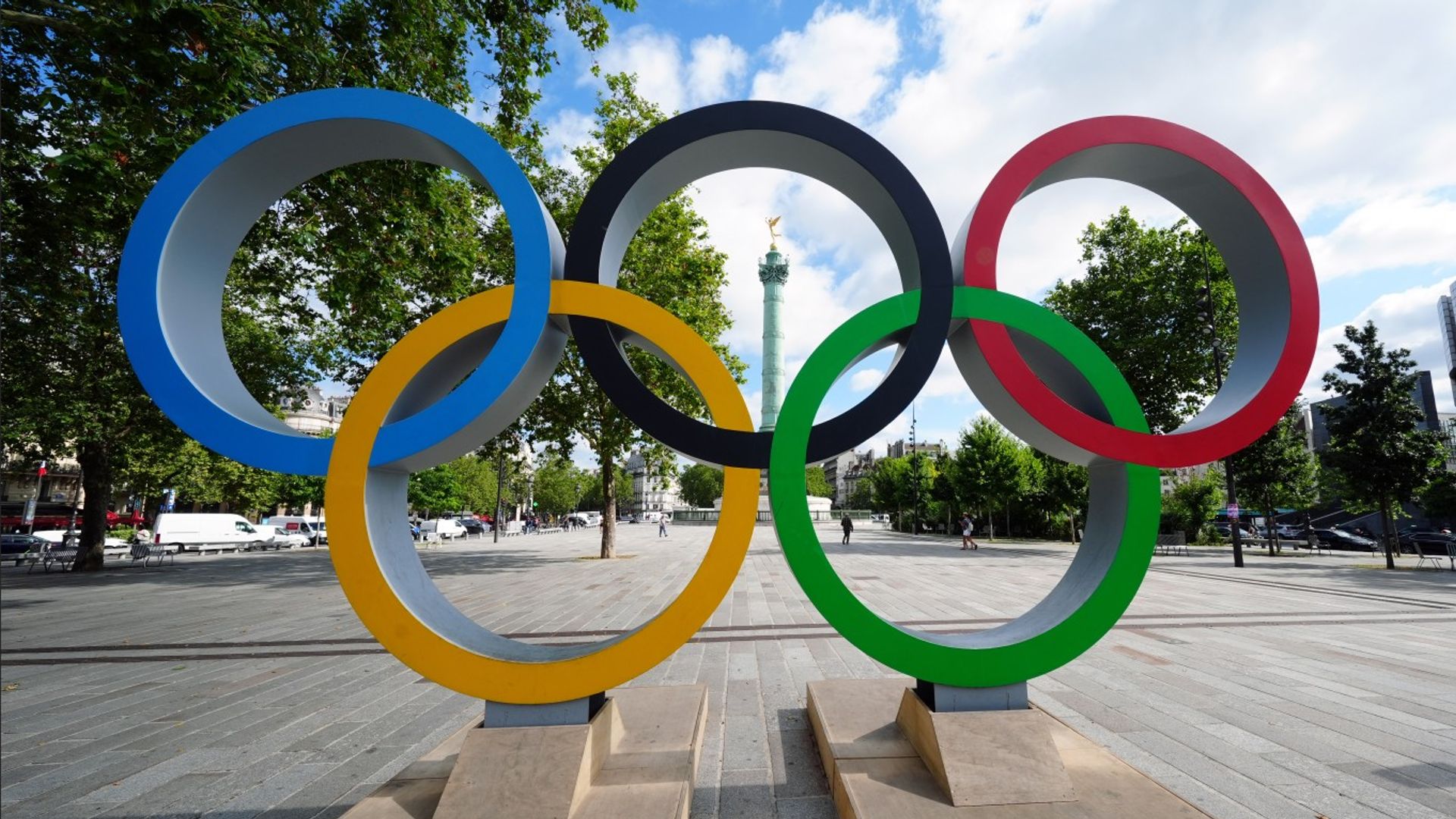
Everyone assumes hosting a massive international sporting event means dumping billions of taxpayer pounds into shiny new stadiums that sit empty a month later. That's usually true. Look at Athens in 2004 or Rio in 2016, where concrete white elephants still rot behind chain-link fences.
Yet the push for a Northern Games in the 2040s—backed by the UK government and northern civic leaders—is trying to flip that entire model on its head. Instead of building a single monolithic Olympic park in London, the proposal spreads events across the North of England, linking cities like Manchester, Leeds, Liverpool, Newcastle, and Sheffield.
It sounds ambitious. Honestly, it also sounds like a logistical headache waiting to happen unless planners learn from past British hosting wins and mistakes.
Why the Northern Games Pitch Exists Right Now
London got the 2012 Olympics. Birmingham hosted the 2022 Commonwealth Games. Glasgow stepped up for the Commonwealth Games in 2014 and is hosting a scaled-back version again in 2026 after Victoria, Australia, pulled out over spiraling costs.
Meanwhile, the North of England has watched major transport promises—like the eastern leg of HS2—get slashed or delayed. Regional mayors and northern business leaders have spent years arguing that major infrastructure cash always flows south. A multi-city mega-event in the 2040s isn't really about running tracks or swimming pools. It's a Trojan horse for rail upgrades, housing regeneration, and global investment.
When the UK government signals backing for a Northern Games bid, it's handing northern leaders a deadline. Politicians hate missing global deadlines. If the world's cameras are arriving in 2040 or 2044, Treasury officials suddenly find it much harder to indefinitely delay Northern Powerhouse Rail.
What Event Are We Actually Talking About
People hear "Northern Games" and immediately picture the Summer Olympics. That's the headline dream, sure. Securing an Olympic and Paralympic Games for the North of England is the ultimate prize, especially since the International Olympic Committee (IOC) changed its bidding rules under Olympic Agenda 2020 and the New Norm reforms.
Under the old IOC rules, a single city had to host almost everything, forcing hosts to build brand-new venues from scratch. Now, the IOC actively encourages regional bids that use existing stadiums and temporary arenas. Look at how the 2026 Winter Olympics are split across Milan and Cortina d'Ampezzo, or how the 2028 Los Angeles Games rely entirely on existing venues without building a single new permanent stadium.
Still, the Olympics aren't the only option on the table. A Northern Games bid could target:
- The 2040 or 2044 Olympic and Paralympic Games, competing against heavyweights from Asia, the Middle East, and Europe.
- A future Commonwealth Games, though the Commonwealth Games Federation has struggled to find hosts willing to foot the bill in recent years.
- The European Championships, a multi-sport format that Glasgow and Berlin successfully co-hosted in 2018 by bundling existing continental tournaments together.
Regardless of the specific badge on the podium, the core concept stays the same. No single northern city has the hotel capacity, airport connections, or venue list to go it alone. Together, the northern urban corridor holds over 15 million people and some of the most famous sporting arenas on earth.
The Venue Advantage Nobody Talks About
If you actually inventory what the North already owns, the numbers look surprisingly strong. Most countries bidding for mega-events have to start with empty fields and architectural renders. Northern England starts with world-class stadiums that sell out every weekend.
Manchester alone brings Old Trafford (and whatever massive redevelopment Manchester United finishes over the next decade), the Etihad Stadium, the National Cycling Centre, and the Manchester Aquatics Centre—which was already upgraded for the 2022 Commonwealth Games. Head west to Liverpool, and you have Anfield plus Everton's new waterfront stadium at Bramley-Moore Dock.
Move across the Pennines and the list keeps growing. Leeds has Headingley for cricket and rugby, alongside the First Direct Arena. Sheffield holds the English Institute of Sport and Ponds Forge. Newcastle offers St James' Park right in the city center.
You don't need to pour concrete for giant new stadiums. You already have them. What you lack is the glue holding those cities together.
The Real Bottleneck Isn't Stadiums—It's Trains
Ask anyone who has tried taking a cross-Pennine train on a rainy Tuesday evening about hosting the Olympics across Leeds and Manchester. They'll probably laugh in your face.
Right now, rail links between northern cities are slow, overcrowded, and prone to cancellations. Moving hundreds of thousands of spectators, athletes, and media crews between Liverpool, Manchester, Sheffield, and Newcastle within tight broadcast windows would break the current Victorian-era rail network in forty-eight hours.
That is precisely why northern mayors like Andy Burnham and Tracy Brabin have pushed so hard for this bid. In the UK, big transport projects routinely get bogged down in Treasury cost-benefit spreadsheets that favor London because London wages are higher. A government-backed international Games changes the math. It forces central government to treat trans-Pennine rail capacity, electrified lines, and unified contactless ticketing as non-negotiable national security and reputation issues.
The trap, of course, is putting the cart before the horse. If Whitehall backs a bid on paper while starving local transport budgets over the next five years, the whole project collapses into an expensive PR stunt.
What History Tells Us About UK Mega-Events
We don't have to guess how Britain handles big sporting hosts. We have a twenty-five-year track record to examine, and the results are mixed.
The 2002 Commonwealth Games in Manchester remain the gold standard for northern regeneration. That event transformed East Manchester from a post-industrial wasteland into a thriving sports and residential hub. The City of Manchester Stadium became the Etihad, anchored decades of private investment from Abu Dhabi, and triggered wider neighborhood renewal.
Then came London 2012. On the surface, it was a massive success. The atmosphere was electric, Team GB dominated, and Stratford got a huge new park and shopping district. Behind the scenes, the budget ballooned from an initial £2.4 billion estimate to nearly £9 billion. Many promises around grassroots sports participation quietly fizzled out once the closing ceremony ended.
More recently, Birmingham 2022 delivered a vibrant, well-attended event on a tighter £778 million budget, though Birmingham City Council later hit severe financial distress—driven largely by equal pay liabilities and failed IT systems rather than the Games themselves, even if critics loved linking the two.
The lesson from all three is blunt. Mega-events work when they accelerate infrastructure a region already desperately needs. They fail when politicians treat them as magic wands for economic growth without doing the boring municipal work afterward.
The Financial Reality Check
Let's be honest about money. Nobody believes initial Olympic bid budgets anymore.
According to research from the Saïd Business School at the University of Oxford, every single Olympic Games since 1960 has gone over budget, with an average cost overrun of more than 150 percent in real terms. Even with the IOC's new cost-cutting rules, hosting a Summer Games easily runs into the tens of billions when you factor in security, transport upgrades, and athlete villages.
Public appetite for blank checks is basically zero. Households dealing with high living costs and stretched public services will rightly revolt if they think Westminster is writing a multi-billion-pound check for VIP hospitality suites while local libraries close.
To survive public scrutiny, a Northern Games bid has to enforce strict financial rules from day one:
- Zero new permanent white elephants. Every venue must either already exist, use temporary modular seating that gets dismantled afterward, or have a guaranteed tenant signed before a single brick is laid.
- Private capital for athlete housing. Athlete villages must be designed from the start as genuine social and affordable housing, financed through pension funds and housing associations rather than emergency taxpayer bailouts.
- Ring-fenced transport spending. Rail and bus upgrades must be accounted for as long-term national infrastructure—because the North needs them anyway—rather than inflating the headline sports budget and scaring voters away.
Global Competition Won't Wait Around
Even with UK government backing, winning a bid for the 2040s is brutal. Brisbane already holds 2032. For 2036, countries like India, Qatar, Turkey, Indonesia, and Germany have all expressed serious interest or launched feasibility studies.
By the time 2040 or 2044 rolls around, the IOC will likely look closely at geographic rotation and sustainability credentials. A compact, rail-connected, low-construction bid across Northern England fits the IOC's green messaging better than building an air-conditioned sports city in the desert.
Still, international sports politics rarely run on pure logic. Britain hasn't hosted a Summer Games since 2012, meaning a 2040 or 2044 return represents a thirty-year gap—historically right around the sweet spot for returning to a major sports nation.
How to Judge Whether This Bid Is Serious
Over the next few years, you're going to hear plenty of glossy speeches from ministers and mayors about "leveling up" through sport and putting northern cities on the global map. Ignore the slogans and watch the boring policy decisions instead.
You'll know the government's backing for a Northern Games is real when you see committed multi-year capital funding for trans-Pennine rail electrification in the next Treasury spending review, not just a feasibility study. Watch whether northern combined authorities form a single joint delivery board with real planning powers, rather than bickering over which city gets the opening ceremony and the swimming finals.
If you live, work, or invest in the North of England, treat this timeline as a planning marker. Track local spatial frameworks around major rail hubs in Manchester, Leeds, Liverpool, and Newcastle, because land values, housing developments, and commercial transport corridors follow those masterplans years before an Olympic torch ever arrives.