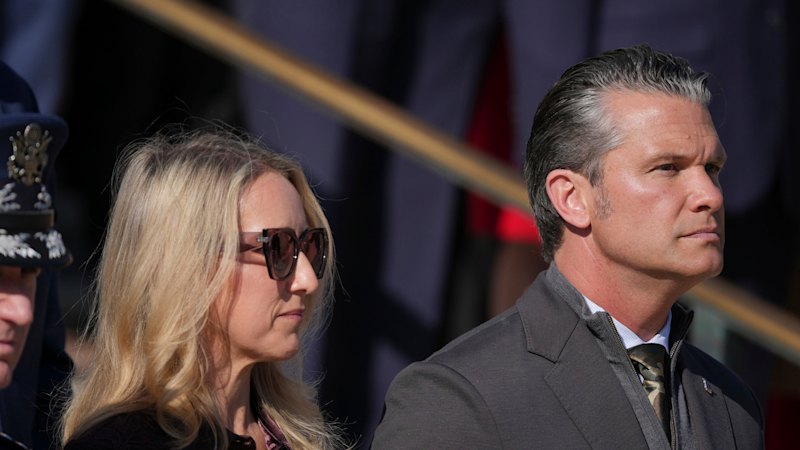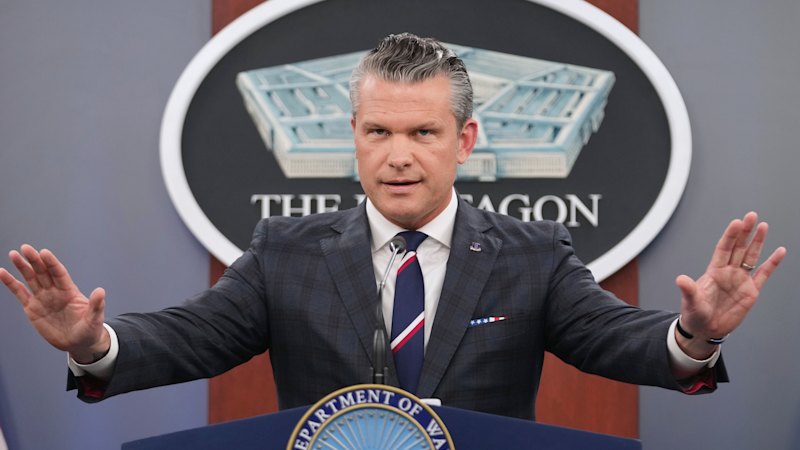
Watching Pete Hegseth go from a nominee on life support to running the Pentagon feels like watching a two-act political thriller where nobody read the script before opening night. When President-elect Donald Trump named him in November 2024, plenty of Washington insiders figured he wouldn't make it to inauguration day. Allegations piled up fast. Critics questioned his readiness to run an institution employing roughly three million people. Yet on January 24, 2025, the Senate confirmed him 51-50 with Vice President JD Vance breaking the tie—and by late 2026, Hegseth hasn't just stayed put; he's reshaped how the building operates day to day.
So how did a pick many wrote off as "out the door" end up entrenched? It wasn't luck alone, and it definitely wasn't a quiet walk through the Senate. It took relentless pushback from allies, a disciplined media offensive, a refusal to back down during bruising hearings, and a president who treats loyalty and combative energy as top currency. If you found value in this article, you should read: this related article.
The Brink Moment Nobody Expected Him to Clear
Most contested Cabinet nominees fold when negative stories snowball in consecutive news cycles. Hegseth took hits from multiple angles almost immediately after his selection on November 12, 2024. Reports surfaced about a past sexual assault allegation in Monterey, California, that had been settled years earlier, alongside scrutiny over personal conduct, past remarks on women in combat, and reports regarding alcohol use and management at organizations he led.
For a few weeks, the conventional wisdom in D.C. sounded almost bored. Too much baggage. Not enough executive experience. Trump will swap him out for someone easier to confirm. Even alternative names floated in political chatter at the time, such as Florida Governor Ron DeSantis. For another angle on this event, check out the recent coverage from The Washington Post.
Here's the mistake political observers made: they judged Hegseth by traditional confirmation math instead of MAGA coalition dynamics. In standard Washington politics, a nominee with sharp vulnerability among fence-sitting senators gets cut loose to protect the broader agenda. In Trump's orbit, caving to media pressure or hesitant senators often looks like weakness—and Trump rarely likes handing critics a scalp. Once Trump dug in and publicly backed him as a fighter, the ground shifted under wavering Republicans.
How Outside Allies Kept the Door From Slamming Shut
When a nomination teeters, inside staffers and outside surrogates make the difference between a slow bleed and a coordinated counterpunch. According to reporting from outlets like The New York Times and Vanity Fair, allies around Trump—including JD Vance, Donald Trump Jr., Steve Bannon, Charlie Kirk, and conservative media figures—worked aggressively to keep pressure on senators and frame the pushback against Hegseth as an establishment pile-on.
I've watched plenty of confirmation battles up close over the years, and two tactics separated Hegseth's survival from typical Washington damage control:
- Refusing to play quiet defense: Instead of hiding out until the storm passed, Hegseth hit friendly interviews, met lawmakers on Capitol Hill, and leaned into a combative "warrior" persona that resonated with base voters and skeptical GOP senators alike.
- Raising the political cost for holdouts: Republican senators who hesitated didn't just face questions from Democrats; they faced intense pressure from conservative activists and voters back home who viewed opposition to Trump's pick as betrayal.
Senators like Joni Ernst, whose stance drew heavy scrutiny ahead of the vote, ended up signaling support after engaging directly with Hegseth. Meanwhile, three Republicans—Susan Collins, Lisa Murkowski, and Mitch McConnell—voted no on final passage. Because the Senate split 50-50, Vance's tie-breaking vote sealed it on January 24, 2025, and Hegseth was sworn in the next morning.
Why Pete Hegseth Survived Confirmation and Kept Moving
Surviving a razor-thin vote is one thing. Holding power inside a massive bureaucracy is another. Once Hegseth took office, he moved quickly to put his stamp on policy, personnel, and military culture rather than settling into a cautious caretaker role.
According to public directives and official records, his tenure has included sweeping structural moves—such as ordering Army reorganizations aimed at homeland defense and Indo-Pacific deterrence, pursuing civilian workforce reductions, calling senior leaders to Quantico to press stricter fitness standards and cultural shifts, and using the secondary "Secretary of War" / "Department of War" title authorized by executive order in September 2025.
At the same time, his tenure hasn't been free of friction. Critics and legal challengers have pushed back hard on several fronts. For example, after Hegseth initiated disciplinary action against retired Navy Captain and Democratic Senator Mark Kelly over a video addressing troops and intelligence personnel regarding unlawful orders, a federal judge issued a temporary injunction blocking proposed rank and pension actions on First Amendment grounds. Other policies, including a July 2026 testosterone testing and hormone therapy announcement that was rescinded in September 2026, also drew sharp scrutiny.
That tension explains why he's "safe as houses" politically even while sparking constant debate. Supporters see a disruptor willing to challenge entrenched Pentagon habits and bureaucracy. Critics see an aggressive approach that tests legal, institutional, and civil-military norms. Both sides agree on one thing: he hasn't governed like someone worried he might lose his job tomorrow.
Common Myths About His Rise and Staying Power
People love neat stories, especially in politics. A few myths around Hegseth's rise deserve a quick reality check.
Myth 1: His confirmation was a foregone conclusion once Republicans won the Senate. Not even close. A 51-50 outcome with a vice presidential tie-breaker proves how narrow the margin actually was. Losing just one more Republican vote would have sunk the nomination.
Myth 2: TV experience doesn't matter in a modern Cabinet fight. Honestly, cable news instincts cut both ways. They can annoy traditionalists who prefer buttoned-up policy resumes, yet they also teach a communicator how to stay on message under hostile cameras and win over skeptical audiences fast.
Myth 3: Once confirmed, a controversial nominee has to tone everything down. Hegseth's record shows the opposite. Rather than moderating his style after January 2025, he leaned harder into cultural debates, organizational overhauls, and high-profile clashes.
What This Shift Means for Watching Washington Next
If you follow defense policy, congressional politics, or executive power, Hegseth's trajectory offers a clear playbook for how high-risk nominees survive and consolidate influence in a polarized era. Don't just count noses early in a confirmation fight—watch who has the president's ear, which media ecosystems are driving the narrative, and whether wavering lawmakers fear their own primary voters more than bad headlines.
To track how his tenure evolves from here, start by reading official Pentagon releases on War.gov alongside independent reporting and court dockets when policy disputes spill into federal court. Pay attention to three concrete signals going forward: Senate Armed Services oversight hearings, budget and force-structure directives, and federal court rulings whenever executive actions collide with statutory or constitutional limits. Those three places tell you far more than cable shouting matches ever will.