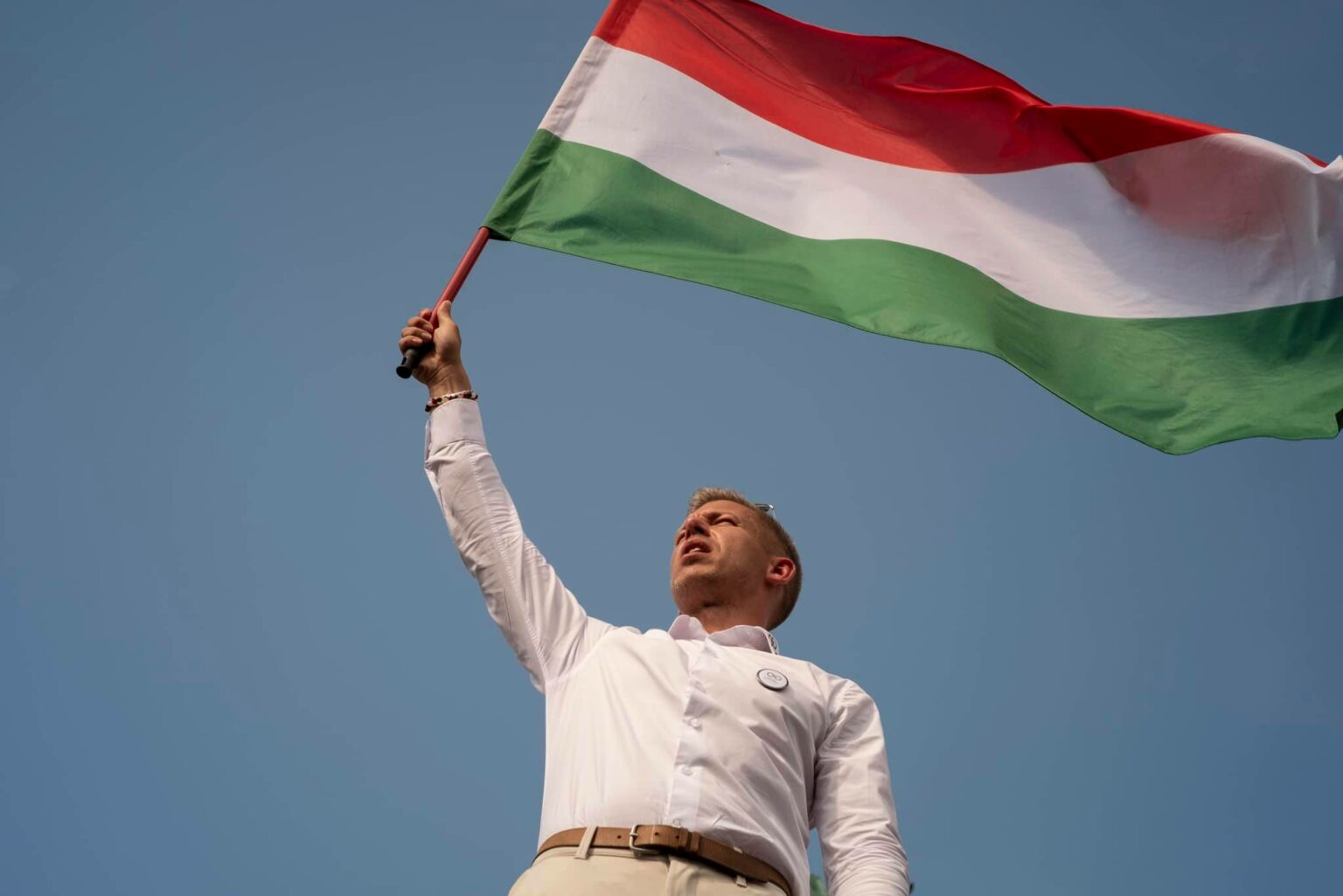
Brussels and Budapest are finally talking again. Not the usual screaming matches we've seen for a decade, but actual, technical negotiations. Peter Magyar, the man who just flipped Hungarian politics on its head, is heading to the heart of the EU to do what Viktor Orban couldn't. He's there to find a way to unlock €17 billion in frozen funds before the clock runs out this summer.
It's a high-stakes race. If you've been following the drama, you know the EU isn't exactly known for moving fast. But Magyar doesn't have the luxury of time. About €11 billion of that cash comes from the post-pandemic Recovery Fund. If a deal isn't struck by mid-August, that money doesn't just stay frozen. It disappears. Forever.
The August deadline and the 11 billion euro problem
The reality on the ground is simple. Hungary's economy is shaky. Magyar campaigned on a promise to "bring the money home," and now he has to deliver. This Wednesday, he's sitting down with Ursula von der Leyen. The goal? A workaround that lets Brussels save face while giving Budapest the cash it desperately needs to stabilize.
The Commission has been clear about why the money was stopped in the first place. They cited corruption, lack of judicial independence, and a general slide away from democratic norms. Under the previous administration, these were ideological battlegrounds. For Magyar, they're just hurdles. His Tisza party holds a two-thirds majority. That means he can change the constitution by lunchtime if he wants to. This "supermajority" is his biggest bargaining chip. He can actually guarantee the legal changes Brussels has been demanding for years.
How a workaround actually looks
Don't expect a simple "check's in the mail" moment. The EU has built a complex web of rule-of-law mechanisms that are hard to untangle. There's a lot of talk about "smart conditionality" right now. Basically, this means finding ways to bypass the central government and get money directly to municipalities or civil society. But that's a slow fix.
Magyar is looking for a faster lane. One potential loophole involves transferring funds to national development banks or merging them with regional grants that have longer deadlines. This would technically "commit" the funds before the August expiration, even if the actual spending happens later. It's a bit of accounting wizardry, but it might be the only way to prevent a total loss of the recovery grants.
The Erasmus and military aid bargaining chips
It's not just about the big billions. There's also the matter of the Erasmus student exchange program and Horizon research grants. Hungarian students have been locked out of these since 2023 because of concerns over academic freedom. Restoring these programs would be an easy "win" for Magyar to show his supporters that life is actually changing.
Then there's the Ukraine factor. For years, Budapest has vetoed EU refunds for military equipment sent to Kyiv. If Magyar signals he's ready to lift those vetoes, the atmosphere in Brussels will shift instantly. It's the kind of geopolitical horse-trading that turns "frozen" funds into "flexible" ones.
Why this time is different
You might wonder why the EU would trust a new leader so quickly. Honestly, they don't have much of a choice if they want to keep Hungary in the fold. If the EU plays too much hardball and lets the money expire, they risk looking like they're punishing the Hungarian people for a government they just voted out.
Magyar is positioning himself as the pro-EU reformer who can actually get things done. He’s already signaled he wants Hungary to join the European Public Prosecutor’s Office (EPPO). That’s a massive move. It basically invites EU investigators to look at how every cent of that €17 billion is spent. It’s the ultimate gesture of "trust me, I'm not the last guy."
What happens next
The next few weeks will be a blur of technical meetings in Budapest and Brussels. Here is what you should keep an eye on:
- The May 15-20 window: Magyar wants a political agreement signed by mid-May. If that doesn't happen, the technical deadlines for August become almost impossible to meet.
- Constitutional amendments: Watch the Hungarian parliament. If we see rapid-fire votes on judicial independence and anti-corruption laws, it’s a sign the deal is done.
- The EPPO application: Joining the European Public Prosecutor’s Office is the single most important "super milestone." Once that's on paper, the floodgates for the cohesion funds likely open.
If you're tracking the Hungarian economy, the "sober morning after" the election is here. The party is over, and now the bill—and the funding—must be settled. Magyar has to prove he can navigate the labyrinth of Brussels bureaucracy better than his predecessor, or he'll find his honeymoon period cut very short.