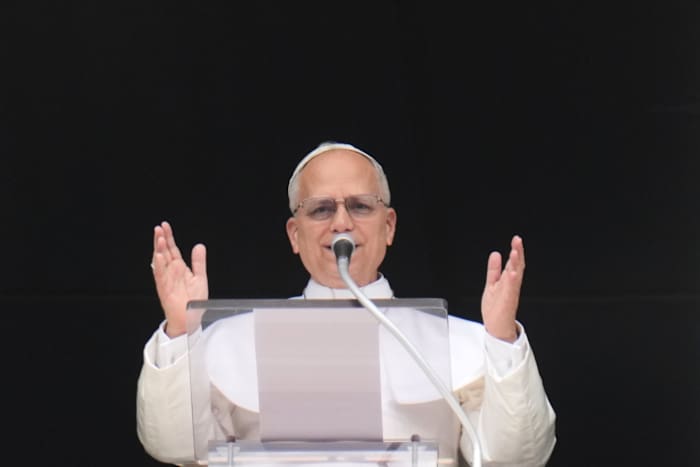
Pope Francis is finally making the trip to Algeria that many thought might never happen. It isn't just another stop on a crowded papal calendar. It's a calculated, deeply symbolic move that places one of the most intellectually significant figures in Christian history—St. Augustine—at the center of a modern diplomatic bridge between the Vatican and the Muslim world. By starting his multi-nation Africa tour here, the Pope is making a statement about where the future of the Church sits. It’s not in the quiet cathedrals of Europe. It’s in the complex, often difficult intersections of North Africa.
The weight of the first papal visit to Algiers
History matters here. No Pope has ever set foot in Algeria before. Think about that for a second. We’ve seen dozens of trips to other parts of the continent, but Algeria remained the missing piece. The relationship between the Catholic Church and this North African powerhouse is layered with the scars of the colonial era and the trauma of the 1990s civil war.
Francis isn't going there to preach to a massive crowd of Catholics. The local flock is tiny. Most are migrants from sub-Saharan Africa or a handful of expatriates. He’s going because Algeria represents the front line of "human fraternity," a theme he’s obsessed with. He wants to show that a tiny Christian minority can exist peacefully in a staunchly Muslim nation. It’s a bold gamble on diplomacy over proselytization.
Reclaiming St. Augustine for Africa
If you mention St. Augustine to most people, they think of a philosopher in a European painting. That's a mistake. Augustine was born in Thagaste—modern-day Souk Ahras, Algeria. He lived, breathed, and wrote his most famous works like Confessions and City of God on Algerian soil. He died in Hippo (now Annaba) while the city was under siege.
The Pope’s visit is a massive effort to "re-Africanize" Augustine. For too long, the Western world treated him like a Roman export. By honoring him in his birthplace, Francis is telling the world that the foundations of Western thought actually have North African roots. It’s a move that resonates deeply with Algerian nationalists and religious scholars alike. They see Augustine as a son of the soil, a bridge between the ancient Berber world and the global stage.
Why this trip is a logistical and political tightrope
Don't think for a second this is just about ancient history. The politics are messy. The Algerian government sees this visit as a stamp of international legitimacy. They want to show they’re a stable, tolerant regional leader. But the Vatican has to be careful. They don’t want to appear like they’re endorsing every policy of the ruling elite.
Then there’s the security. Algeria has a long history of battling extremist elements. The memory of the seven Trappist monks kidnapped and killed in Tibhirine in 1996 still hangs over the Church’s presence there. Francis is likely to pay his respects to these martyrs, but he’ll have to do it without alienating his hosts. It’s a delicate dance. He has to honor the victims of the past while praising the peace of the present.
Beyond the Mediterranean coast
While Algiers and Annaba are the focal points, the ripple effects will be felt across the Sahel. Algeria is a gatekeeper for migration. Thousands of people move through this country trying to reach Europe. Francis has made the plight of migrants his signature issue. You can bet he’ll bring this up in his private meetings with President Tebboune.
He isn't just talking to the government. He's talking to the guys on the street. He’s talking to the young Algerians who feel stuck between a glorious past and an uncertain economic future. He wants to show that the Church isn't a foreign entity, but a neighbor.
The shift in global Catholicism
This trip proves the Vatican is looking south. Europe is secularizing fast. South America and Africa are where the energy is. By starting in Algeria, Francis is acknowledging that the Mediterranean isn't a barrier—it’s a connector.
The strategy is clear. You go to the places where the Church is smallest to make the loudest points about peace. You don’t need a million people in a stadium to change the narrative. You just need one old man in a white robe standing in the ruins of Hippo, reminding the world that some of its greatest ideas started right here in North Africa.
If you’re following this trip, keep your eyes on the small gestures. Watch how he interacts with the local Imams. Look at whether he visits the Basilica of Our Lady of Africa, which overlooks the bay of Algiers. That building’s famous inscription says, "Our Lady of Africa, pray for us and for the Muslims." That is the entire mission in a single sentence.
Keep an eye on the official Vatican news feeds and the Algerian state media over the next forty-eight hours. The nuances in the joint statements will tell you exactly how successful this bridge-building exercise really was. Don't just look at the photos of the handshakes; read the transcripts for mentions of "shared Mediterranean heritage." That’s where the real work is happening.