When the ground stopped shaking in northern Venezuela, the immediate horror was written in the rubble. Concrete slabs crushed entire neighborhoods in La Guaira, and the twin 7.2 and 7.5 magnitude earthquakes on June 24 left thousands dead and over 16,700 injured. But the real disaster is just getting started. It is unfolding quietly in overcrowded sports complexes, makeshift tent cities, and dark hospital corridors.
The immediate trauma of an earthquake catches the headlines. The secondary wave of disease, infection, and medical collapse is what actually hollows out a surviving population. Right now, Venezuela's displaced survivors are stepping directly into a massive public health trap.
More than 80 shelters are currently housing over 17,000 displaced people. When you cram thousands of traumatized people into tight, poorly ventilated spaces without running water, bad things happen fast. The Pan American Health Organization (PAHO) is already warning that the greatest threats in the coming weeks will not be falling debris, but rather the rapid spread of infectious diseases and the total breakdown of routine medical care.
Inside the Shelters as Petri Dishes
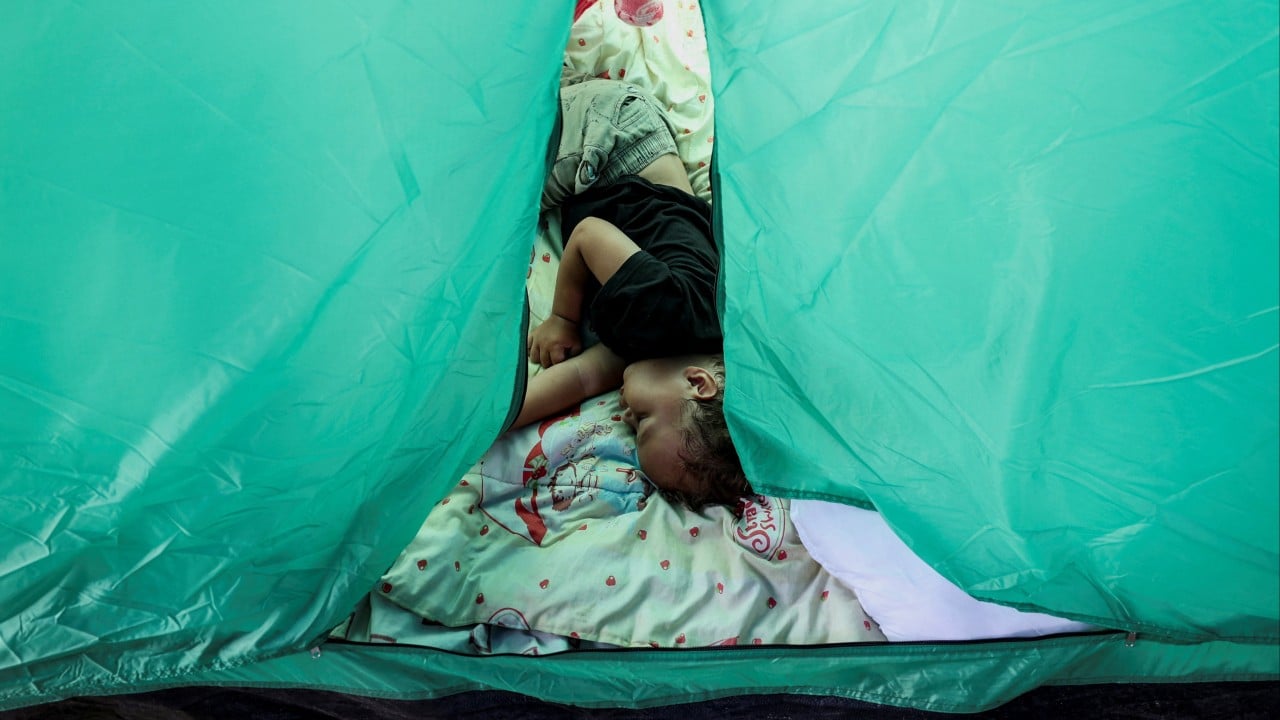
Walk into the Jose Maria Vargas Sports Complex in La Guaira, and you see the blueprint for an epidemic. Families are packed shoulder-to-shoulder under makeshift plastic sheeting and UN tents. It is brutally hot. Garbage is piling up because municipal waste management collapsed along with the buildings.
When clean water vanishes, public health relies entirely on luck. Right now, luck is running out. People cannot wash their hands, clean their cooking utensils, or safely bathe. These dismal sanitary conditions are the perfect breeding ground for diarrheal diseases, acute respiratory infections, and skin conditions. A single case of norovirus or cholera in a camp like this can compromise hundreds of people within 48 hours.
There is also the threat of vector-borne illnesses. Standing water from broken pipes and seasonal rains attracts mosquitoes. Without window screens or bed nets, displaced families are sitting ducks for dengue and Zika, viruses that already plague the region during normal times.
A Broken Health System Pushed Past the Brink
To understand why this is a catastrophic emergency, you have to look at the state of Venezuelan healthcare before the first shockwave hit. Years of severe economic crisis had already gutted the country’s medical infrastructure. More than eight million people have fled Venezuela in recent years, a massive exodus that included a huge percentage of the nation's trained doctors and nurses.
The hospitals that survived the economic crash were barely hanging on. Now, 38 hospitals nationwide have been structurally damaged or compromised by the earthquakes.
At the Hospital del Oeste Dr. Jose Gregorio Hernandez in Caracas, medical staff are performing intricate surgeries on crushed limbs in makeshift operating rooms because parts of the main building are too dangerous to enter. They do not have the specialized screws and plates needed for orthopedic surgeries. They are running out of medicated gauze to keep open wounds from festering into lethal infections.
If you get hurt in a disaster like this, you expect an ambulance. In Venezuela, you get the back of a pickup truck. The critical shortage of emergency vehicles means severely injured people are arriving at clinics hours too late, their wounds contaminated by dirt and debris, dramatically increasing the risk of sepsis.
The Silent Threat of Chronic Illness Interruptions
While international aid groups focus on trauma care and broken bones, a silent killer is targeting another vulnerable group. People with chronic illnesses are completely cut off from their medications.
When your house collapses, you do not look for your blood pressure pills or your insulin. You just run. Thousands of elderly survivors and chronic disease patients have gone weeks without their essential prescriptions. Doctors on the ground are bracing for a massive wave of stroke victims, diabetic ketoacidosis cases, and severe asthmatic attacks.
A collapsed health system cannot handle an influx of heart attacks alongside thousands of trauma patients. Routine vaccinations have also ground to a halt. This opens the door for preventable childhood diseases like measles and diphtheria to make a resurgence in crowded encampments.
What Must Happen Right Now
The response cannot just be about digging through rubble or flying in temporary food rations. The medical strategy must pivot immediately to prevent a secondary wave of mortality.
First, water and sanitation infrastructure must be localized inside the shelters. Setting up bulk water purification units and temporary latrines is more critical for saving lives right now than field hospitals.
Second, an aggressive early warning system for infectious diseases needs to be operational across all 80+ official shelters. PAHO is working to integrate field hospitals into a tracking network for febrile syndromes and respiratory bugs. If a cluster of disease is caught early, it can be quarantined before it sweeps through thousands of tents.
Finally, the international community must bypass political friction to stream essential medical consumables directly to local triage units. They do not just need high-tech equipment; they need the basics. Gauze, antibiotics, surgical steel, tetanus shots, and chronic disease medications will save far more lives than complex diagnostic tools in a crisis zone.
The earthquakes lasted less than a minute. The medical fallout will determine how many Venezuelans actually survive the aftermath.