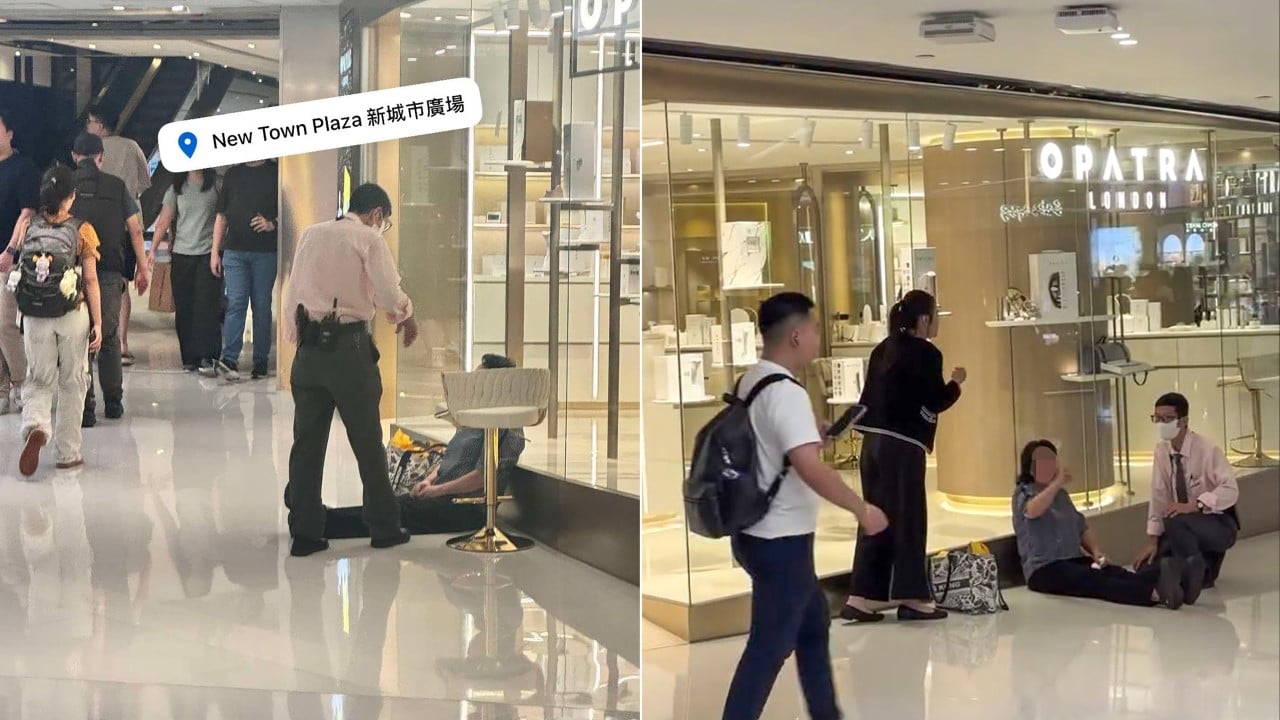
The recent incident involving a beauty chain in Hong Kong, where a customer was allegedly pressured into HK$60,000 of unauthorized credit card charges, serves as a clinical case study in high-pressure retail extraction. This event is not an anomaly but a predictable outcome of a business model that treats retail storefronts as pressure cookers rather than service environments. To understand why such incidents recur, one must examine the mechanics of customer acquisition in the prestige skincare sector, where the margin on physical product is often eclipsed by the potential for multi-year financial extraction through credit financing.
The Anatomy of High-Pressure Extraction
The operational model observed in these settings relies on three distinct phases designed to strip away consumer defensive barriers:
- The Hook (Low-Friction Entry): Staff utilize positive reinforcement—compliments or the offer of a "complimentary" service—to lower the target’s psychological defenses. This transforms a passerby into a captive participant. By initiating contact through flattery, the brand exploits a reciprocity bias: the consumer feels a social obligation to reciprocate the "gift" of a facial or consultation.
- The Fatigue Phase (Time-Induced Compliance): Once inside the storefront, the environment is controlled to eliminate external stimuli. The objective is to keep the target occupied for an extended duration. Prolonged exposure serves two functions: it creates "sunk cost" time investment and exhausts the individual’s cognitive capacity to evaluate the financial terms of a transaction. When an individual spends several hours in a high-pressure environment, the priority shifts from "is this a sound purchase" to "how do I exit this situation."
- The Financial Upsell (Debt Integration): The transition from selling a product to selling a high-value, credit-funded bundle is the pivot point. When a customer’s available liquid capital is exhausted—or their immediate credit limit reached—retailers often facilitate or encourage additional debt (such as loans or interest-bearing credit lines) to secure the sale. This effectively shifts the burden of risk from the retailer to the credit provider, allowing the store to capture the full contract value immediately.
The Conflict Between Retail and Revenue
The disconnect between corporate branding and individual franchise behavior often creates a veil of deniability. The Opatra model, like many others in the beauty-tech space, relies on a franchise structure. This creates a fundamental misalignment of incentives. The parent entity derives value from volume, whereas the franchisee—facing high overhead in premium real estate—derives survival from immediate, high-value extraction.
When a consumer complains, the standard response is often a legalistic defense: the claim that the customer "changed their mind" or "fully consented." This is a calculated risk. For every customer who escalates the issue to local authorities or social media, a statistical percentage will either succumb to the pressure or accept the loss, effectively subsidizing the legal costs and refunds incurred by the vocal minority.
Quantifying the Consumer Defense Mechanism
Consumers operating in high-rent urban retail districts must treat all "free" offers as transactional attempts. The mechanisms to protect personal capital against these models are straightforward but require firm enforcement:
- Boundary Strictness: A verbal refusal to enter a store, even after a compliment, is the most efficient defense. Once inside, the cost of leaving—psychologically or physically—increases exponentially.
- Documentation of Consent: Never authorize a credit card transaction for a sum that exceeds initial intent without a cooling-off period. If a retailer refuses to allow a 24-hour review of the contract, the transaction should be treated as fraudulent.
- Escalation Pathways: When a dispute occurs, local consumer councils and law enforcement are the only levers that effectively break the retailer’s "final sale" policy. Relying on store management for conflict resolution is a tactical error, as the staff’s primary incentive is to prevent the refund at all costs.
The Strategic Shift
The persistence of these tactics indicates that they remain profitable despite the reputational damage caused by viral exposure. Businesses that rely on coercive tactics to bridge the gap between their product’s intrinsic value and their price tag are fundamentally fragile. As regulatory scrutiny increases, the cost of maintaining these "high-extraction" storefronts will rise until the business model collapses under the weight of intervention.
The immediate strategic play for any consumer in this environment is to bypass store-level communication entirely. When an incident involves potential fraud or coercion, engage the credit card issuer immediately to contest the charge as unauthorized or obtained under duress. This action triggers a direct financial dispute between the bank and the retailer, removing the local branch’s ability to control the narrative or the capital.