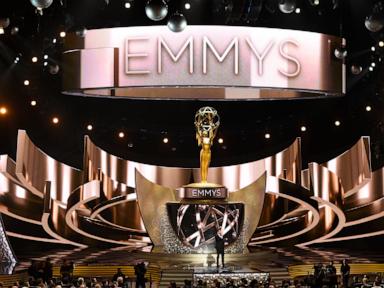
The trades love a clean narrative. Hand out the hardware early, crown the predictable frontrunners, and go home before midnight. Right now, the lazy consensus on the upcoming early Emmys circuit treats shows like The Pitt, Hacks, and Pluribus as inevitable trophy magnets. Critics point to early buzz, star power, and safe momentum, assuming voters will simply check the familiar boxes.
They are dead wrong. You might also find this connected article interesting: The Neon Shadows Behind the Korean Film Miracle.
I have spent years watching award season machinery chew up safe bets and spit them out. Every cycle, the electorate gets blamed for being out of touch, when the real culprit is lazy punditry that mistakes a loud social media echo chamber for actual voting body sentiment. Betting on a clean sweep for any of these titles ignores the structural fatigue plaguing modern television voting blocks.
The Fallacy Of Early Momentum
Let us dismantle the core premise driving the current Emmy chatter: that early critical adoration translates into unassailable ballot dominance. As discussed in recent articles by IGN, the implications are widespread.
In reality, frontrunner fatigue hits faster now than it did a decade ago. Prestige television production cycles have accelerated, pushing voters into a state of chronic sensory overload. When an Academy member opens a screener portal packed with dozens of heavily marketed contenders, the instinct to rebel against consensus builds rapidly.
Take The Pitt. The assumption is that medical dramas packed with gritty realism automatically trigger nostalgia for peak network procedural dominance fused with modern streaming prestige. But look closer at how ballots actually split. Medical and procedural entries face a brutal uphill battle against voter snobbery that still quietly favors serialized, high-concept authorship over serialized adrenaline. Voters want to feel intellectually validated by their choices, not like they are binging a high-budget shift at a metropolitan ER on a Tuesday night.
Hacks occupies a similarly precarious position. Sure, the comedy category is perpetually searching for stability, and sharp wit plays well in specific demographics. Yet, declaring an institutional lock ignores the generational shift happening within voting blocks. What felt razor-sharp two seasons ago risks being coded as institutional middle-management comedy by a younger, hungrier faction of the Academy that values structural disruption over polished formulas.
The Pluribus Variable And The Trap Of Novelty
Then there is Pluribus. Whenever a high-concept entry enters the race, pundits scramble to label it the artistic conscience of the year. They mistake intellectual ambition for guaranteed ballot real estate.
Imagine a scenario where a brilliantly conceived, narratively dense puzzle-box series completely misses the top-tier wins because voters simply tired of doing homework. Awards voting is ultimately an exercise in cognitive ease. If a show demands multiple explainer articles just to understand its premise, casual voters—who still make up the silent majority of the Academy—will default to the safer, more accessible option sitting right next to it on the ballot.
Novelty wears off the second the voting deadline approaches. When faced with a ballot requiring deep artistic deliberation, exhausted industry insiders often regress to what feels comforting. Pluribus might dominate the craft categories, but assuming it rolls through the major major categories underestimates the conservative streak that runs deep through academy DNA.
The Metrics That Actually Matter
If you want to know who is winning hardware, stop reading reviews and start tracking internal guild overlaps.
- The Guild Split: Writers vote for writers; directors vote for directors. The broader Academy only floods the room during final round voting. Preliminary frontrunners often crash precisely because they played well with critics but alienated the craft unions who care more about execution than thematic pretension.
- The Screener Fatigue Index: Track the drop-off in viewing completion rates. Streaming platforms know exactly who finishes their screeners and who bails by episode three. Awards pundits rarely look at these invisible drop-off metrics, which explains why they are perpetually stunned on ceremony night.
- The Ballot Saturation Point: When a network floods the ballot with too many contenders, vote splitting happens. Instead of sweeping, they cannibalize their own support base.
I have watched studios blow millions on FYC campaigns that targeted the wrong constituencies while ignoring the quiet block voters who actually decide the ties.
What To Do Instead Of Chasing The Hype
Stop treating Emmy pools like a sports bracket.
If you are running an awards campaign, stop leaning into the critical darling narrative. It paints a target on your back for the anti-pretension backlash. If you are a viewer or an industry observer, look for the work that is quietly building momentum through word-of-mouth among actual practitioners rather than Twitter hype machines.
The upsets are never accidents. They are the mathematical result of an exhausted, over-screened electorate pushing back against what they are told they have to like.
Next time someone tells you a show is locked in for a clean sweep, ask them when was the last time they actually talked to a voting member who was tired of being told what constitutes prestige.
The trophies are never handed out to the loudest show in the room. They go to the one voters can live with themselves for choosing.