A single 155mm artillery shell doesn't look like a fortune. It is a heavy, tapered cylinder of steel and high explosives, designed for a singular, violent purpose. But as it whistles through the air over a muddy trench in Eastern Europe or a desert outpost in the Middle East, it carries a price tag that would make a Wall Street banker flinch. In the time it took you to read this sentence, the United States spent more on conflict than most families earn in a lifetime.
Eight thousand two hundred crore rupees.
That is the daily burn rate. Every twenty-four hours, $1 billion evaporates into the acrid smoke of global warfare. It is a number so large it becomes abstract, a mathematical ghost that haunts spreadsheets in Washington D.C. but feels invisible to a shopkeeper in Kanpur or a tech worker in Bengaluru.
It shouldn't.
Money is energy. It is a finite resource. When it is funneled into the furnace of war at this velocity, the heat is felt thousands of miles away. We are currently witnessing the most expensive geopolitical "maintenance" project in human history, and the bill is being diverted from the global economy's future to pay for its present destruction.
The Math of a Trillion-Dollar Habit
To understand the scale, we have to stop thinking about "aid packages" as crates of cash. They are industrial outputs. When the U.S. commits to these staggering daily expenditures, it isn't just sending old surplus; it is spinning up a military-industrial machine that demands constant refueling.
Consider a hypothetical logistics officer named Elias. Elias doesn't see "policy." He sees requisition forms. He sees that a single Javelin missile costs roughly $200,000. He sees that the sophisticated interceptors used to keep shipping lanes open in the Red Sea cost millions per shot. When a $2 million missile is used to take down a $20,000 drone, the math of attrition begins to look like a suicide pact for the treasury.
This is the "burn." It is the cost of keeping the world's gears turning when those gears are grinding against each other. The U.S. is currently bankrolling multiple fronts—either through direct intervention, proxy support, or the massive logistical footprint required to maintain "deterrence."
But the dollar isn't a closed loop.
The Ripple in the Indian Ocean
India often feels like an observer in these distant fires. We watch the news, track the maps, and perhaps feel a sense of geographical safety. That safety is an illusion. The global economy is a single, taut fabric. When you pull a thread in the Middle East, the fabric bunches up in Mumbai.
The most immediate threat isn't a stray missile; it's the "War Tax" on everything we consume. When $1 billion a day is spent on destruction, it creates a massive vacuum in the supply of raw materials, energy, and shipping capacity.
Think about the Red Sea. It is the jugular vein of global trade. Because of the ongoing volatility, insurance premiums for cargo ships have skyrocketed. A vessel carrying electronic components to Chennai or crude oil to Jamnagar now has to take the long way around Africa or pay a "war risk" fee that is passed directly to the consumer.
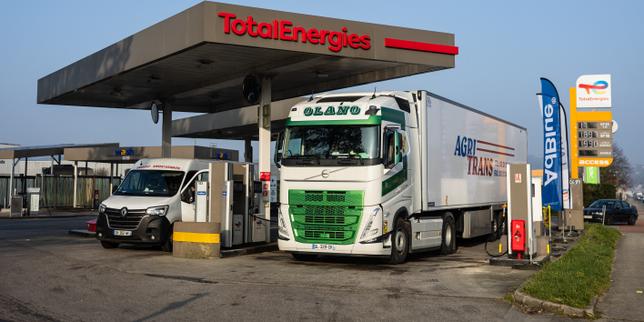
When you pay ₹10 more for a liter of fuel or notice that a new laptop costs 15% more than it did last year, you are helping to pay that ₹8200 crore daily bill. You are an involuntary shareholder in a conflict you never voted for.
The Great Diversion of Human Progress
Imagine what that billion dollars a day looks like in a different context.
In a world where we aren't "fuming" cash into the atmosphere, that daily $1 billion could build 20 world-class hospitals. Every single day. It could fund the transition to clean energy for an entire medium-sized nation within a month. Instead, it is spent on things that are designed to blow up.
There is a tragic irony in the way we measure "defense." We defend borders while leaving the gates of economic stability wide open to the thieves of inflation and debt. The U.S. debt clock is ticking toward $35 trillion. As the cost of borrowing rises to fund these expenditures, the global "risk-free" rate climbs.
For India, this means a weaker Rupee.
As the U.S. prints and spends to maintain its global stance, the dollar often strengthens in a "flight to safety," even as the underlying economy groans. This devalues the Rupee. We then have to spend more of our own hard-earned reserves to buy the same amount of oil. We are essentially importing the cost of a war we aren't fighting.
The Invisible Stakes of the Indian Middle Class
Let’s look at a character we all know: Ramesh, a small-scale manufacturer in Pune. Ramesh makes precision auto parts. He doesn't care about the intricacies of the U.S. Congress's latest spending bill.
But he should.
Because the U.S. is spending so much on the military, global interest rates stay higher for longer. This means Ramesh's business loan is more expensive. The steel he needs for his parts is being diverted to defense contracts in the West, driving up his raw material costs. His European buyers are tightening their belts because their energy bills have tripled due to the same geopolitical fires.
Ramesh is being squeezed by a ghost.
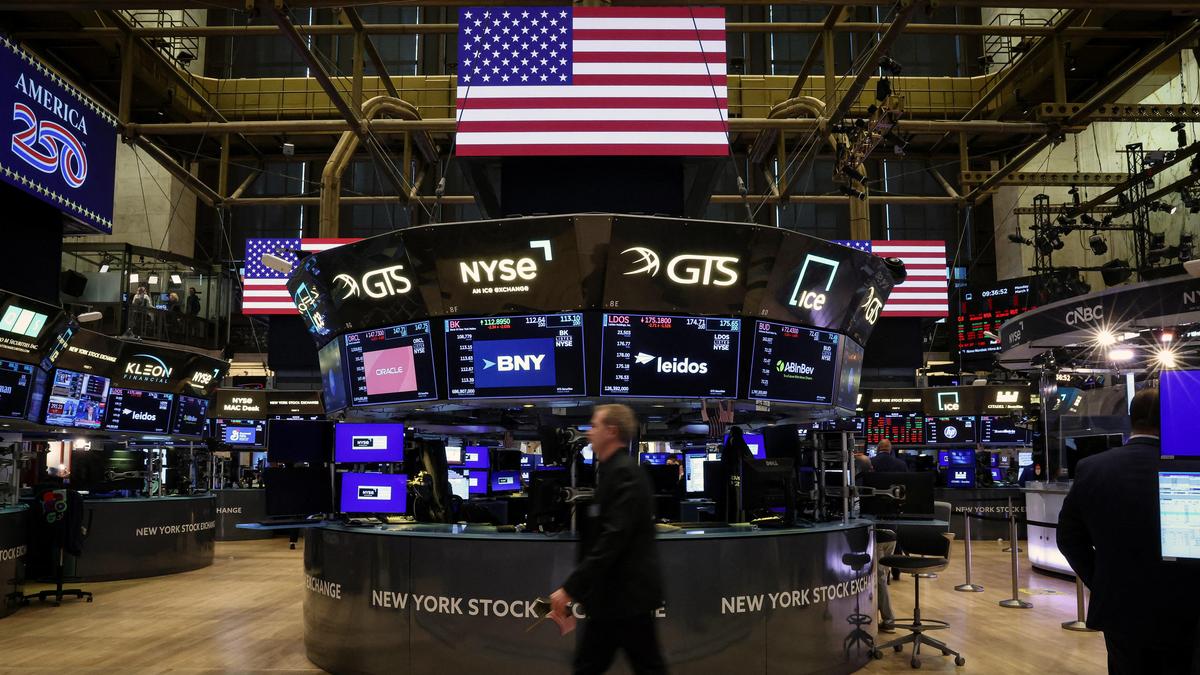
The danger for India isn't just the price of oil. It is the potential for a "Black Swan" event where the U.S. financial system, overextended by the cost of being the world's policeman, suffers a sudden cardiac arrest. If the U.S. has to choose between funding its domestic social security and funding a foreign war, the resulting political chaos will send shockwaves through the Indian stock market that no amount of "domestic resilience" can fully buffer.
The Psychology of Perpetual Conflict
We have become desensitized to these numbers. We hear "billions" and our brains switch off. It feels like Monopoly money.
But it represents a staggering loss of human potential. Every dollar spent on a shell is a dollar not spent on a classroom. Every hour of engineering talent used to make a drone more lethal is an hour not spent solving the water crisis in Bangalore or the smog in Delhi.
The "danger" to India mentioned in the headlines isn't just about being caught in the crossfire of a physical war. It is about being caught in the economic wake of a superpower that is burning through its capital at a rate that is fundamentally unsustainable.
We are living in an era of "expensive peace." It is a peace maintained by a level of spending that mimics the height of the Cold War, but without the industrial base that once supported it. It is a house of cards built on debt, and the wind is picking up.
The next time you look at a map of a conflict zone, don't just see the borders and the arrows. See the gold leaf being stripped off the global economy to pay for the fire.
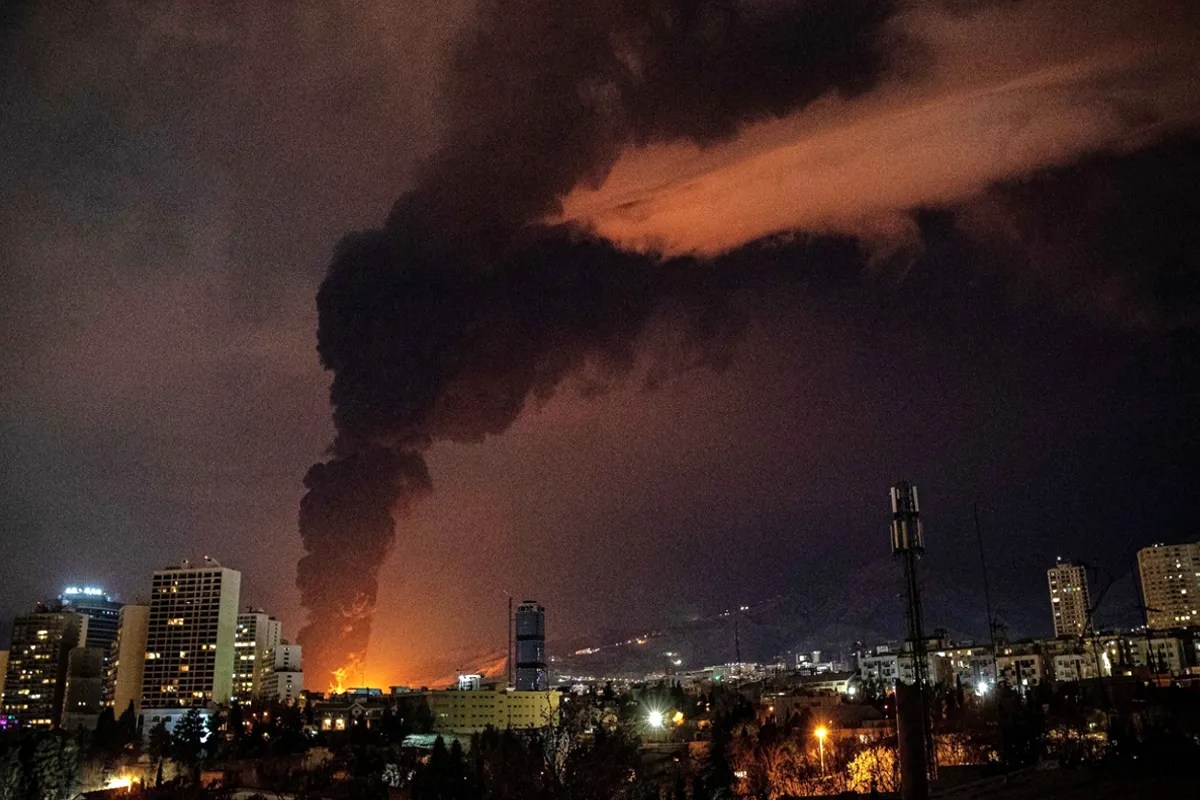
The fire is hungry. It consumes $1 billion a day. And eventually, if the fire isn't contained, it stops asking who is fighting and starts asking who is left to pay.
The plate in Kanpur isn't empty yet. But the shadows are growing longer.