The scent of charred lemongrass and garlic usually drifts from Pak Rahman’s beachside kitchen by four in the afternoon. For thirty years, that smoke acted as a dinner bell for tourists wandering off the white sands of Pantai Cenang. But on a recent Tuesday, the grill remained cold. Rahman sat on a plastic stool, watching a family of four walk past his menu board. They paused, looked at the prices, whispered among themselves, and walked toward the local convenience store instead.
They bought instant noodles and a loaf of bread.
This is the quiet crisis gripping Langkawi, Malaysia’s jewel of the Andaman Sea. For decades, this archipelago of 99 islands operated on a simple, beautiful promise: duty-free affordable luxury wrapped in ancient rainforests and turquoise waters. Today, that promise is fracturing. The island is caught in a suffocating pincer movement between skyrocketing operational costs and a growing reputation among domestic and international travelers as a destination that is no longer worth the receipt.
When the global travel machine ground to a halt a few years ago, Langkawi felt the silence acutely. Eighty percent of its economy relies on tourism. When the world reopened, everyone expected the roaring twenties of travel to save the island.
It did not happen. Instead, a shifting economic reality turned paradise into a premium commodity.
The Illusion of the Duty-Free Haven
To understand why a plate of nasi goreng or a short boat ride through the mangroves feels like a luxury expense now, you have to look at the invisible logistics of island life. Langkawi is duty-free, meaning alcohol, tobacco, and confectionery are cheap. But you cannot feed a family on chocolate and beer.
Almost everything else—from the eggs cracked into morning omelets to the diesel powering the island’s iconic island-hopping boats—must be shipped in from the mainland.
Consider a hypothetical ferry captain named Azmir. (Azmir represents dozens of independent operators fighting the same ledger sheets this year). In 2022, the cost of maintaining a fiberglass boat hull and running a twin-engine outboard motor was manageable. By 2026, global supply chain ripples and localized inflation pushed the price of spare parts up by nearly forty percent. The price of food on the mainland surged, meaning the wholesale ingredients shipped across the Kuala Perlis strait arrived at Langkawi ports already inflated.
Azmir faces a brutal choice. He can absorb the cost and watch his margins evaporate into the salt air, or he can raise the price of a mangrove tour. He raises the price.
The tourist sees a figure that looks exploitative. They do not see the invoice for the marine engine oil. They just see a number that makes them want to stay in their hotel room.
The numbers back up the quiet on the streets. Local tourism associations recently flagged a noticeable dip in domestic arrivals. Malaysians who used to view Langkawi as a quick, affordable weekend getaway are looking elsewhere. When a domestic flight from Kuala Lumpur to Langkawi costs nearly the same as a budget flight to southern Thailand or Bali, the math fails.
Thailand’s Phuket and Krabi sit just a short distance north. They are aggressively competing on price, experiential value, and ease of access. Langkawi is losing the comparison.
The Ghost Rooms and the Changing Traveler
Walk through the mid-tier resorts just outside the main town of Kuah. These are the properties built during the boom years—charming, multi-room structures designed for middle-class families. Today, many of their corridors feature a hollow echo.
The luxury market in Langkawi remains somewhat insulated. High-net-worth individuals still fly into private pavilions, insulated from the price hikes by sheer wealth. But a healthy tourism ecosystem cannot survive solely on ultra-luxury enclaves. It requires the backpackers, the digital nomads, the middle-income families, and the regional road-trippers. This middle class is exactly who Langkawi is pricing out.
Travel behaviors shifted permanently while the island was waiting for things to go back to normal. Travelers are no longer passive consumers of generic beach holidays. They track every dollar, looking for deep cultural immersion or pristine ecological value to justify their carbon footprint and their depleted savings.
When they land in Langkawi and encounter high taxi fares—driven by a lack of integrated public transit and rising fuel costs—and restaurant menus that rival Western European prices, a sense of resentment sets in.
It is a psychological shift. A traveler who feels pampered will spend freely. A traveler who feels managed or nickeled-and-dimed will lock their wallet.
The local hospitality workforce is caught in the middle of this emotional standoff. Young workers from the mainland used to flock to the island for hospitality gigs. Now, the cost of rent in Langkawi has risen alongside food prices. Wages have not kept pace because resort owners are using dwindling revenues to pay off debts incurred during the lean years. As a result, talent is leaving. The service slows down. The experience degrades. The price stays high. It is a textbook doom loop.
Rewriting the Island Narrative
Fixing this requires discarding old assumptions. For years, the strategy was simple: build more rooms, market the duty-free status, and wait for the planes to land. That strategy belongs to a world that no longer exists.
If Langkawi wants to save its seasons, it must pivot from a volume-and-commodity mindset to an experiential asset mindset. The island possesses 550-million-year-old rock formations, designated as a UNESCO Global Geopark. This is an irreplaceable geological marvel. Yet, much of the marketing still centers on cheap chocolates and jet-ski rentals that pollute the very waters people travel to see.
Imagine if the island’s stakeholders shifted focus:
- Decentralized Eco-Tourism: Instead of funneling every visitor to the overcrowded beaches of Pantai Cenang, subsidize and develop community-led agro-tourism in the interior padifields. This keeps tourist dollars in the hands of locals rather than corporate resort chains.
- Transparent Transit Pricing: Implement standardized, app-based transport caps or invest in a fleet of electric shuttle buses linking the airport, Kuah town, and the major beach hubs. Eliminating the friction of getting around removes the first and most frequent point of tourist frustration.
- Unified Mainland Food Pipelines: Establish direct cooperative purchasing agreements between Langkawi’s restaurant associations and agricultural hubs on the mainland to bypass exploitative logistics middlemen, lowering the baseline cost of ingredients.
The solution cannot just be a marketing campaign with a catchy slogan. You cannot market away the reality of a thirty-dollar lunch that tasted like a ten-dollar lunch.
The View from the Shore
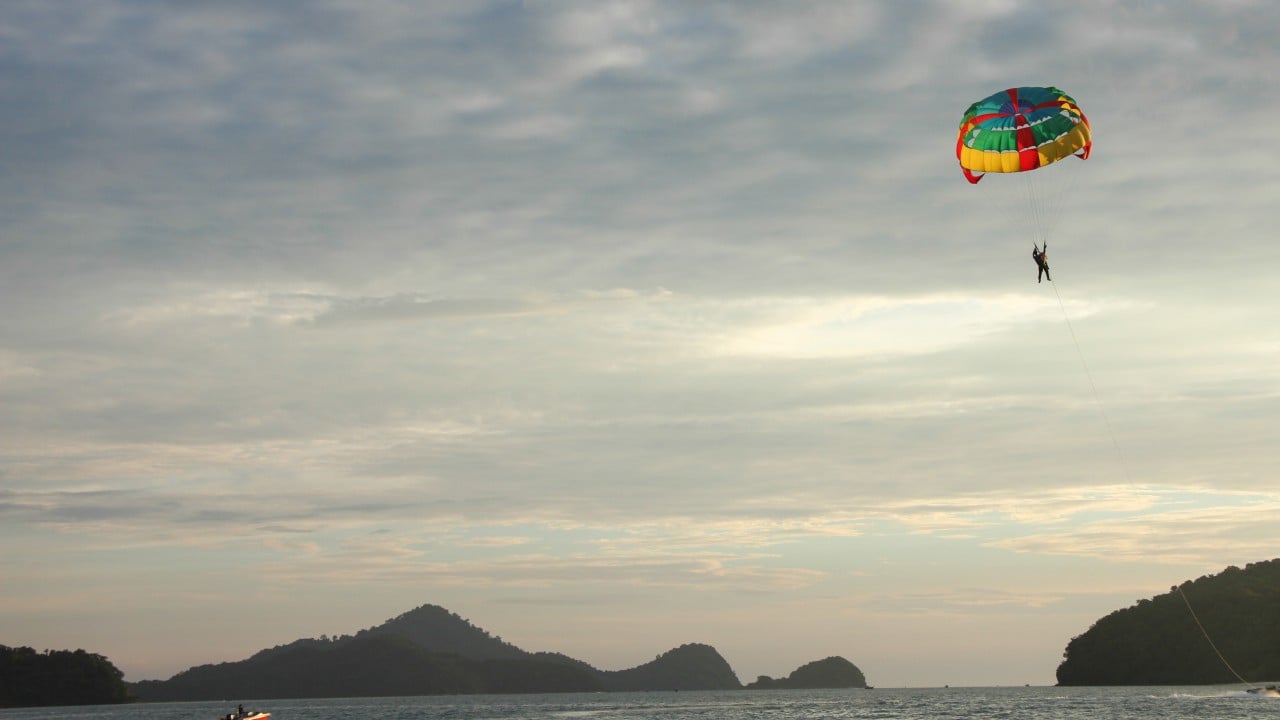
Back at the beach, the sun begins its slow sink into the Andaman Sea, painting the sky in bruises of purple and gold. It is a million-dollar view available for free.
Pak Rahman finally decides to light a small mound of charcoal. Not for customers, but to grill a single piece of mackerel for his own dinner. He looks out at the horizon where the sunset cruises are silhouetted against the light. There are fewer boats out there tonight than there were last year, and far fewer than five years ago.
The problem facing Langkawi is not a lack of beauty. The water is still warm, the rainforest is still loud with the songs of cicadas, and the cliffs still rise majestically from the sea. The problem is that paradise has become a math problem. And right now, for the people who live here and the people who want to visit, the numbers simply do not add up.