Public outrage doesn't just happen. It builds in the dark until a single, horrific event acts as a match. That’s exactly what we saw when a mob descended on a hospital treating the man accused of killing a 5-year-old girl. It’s a messy, violent intersection of grief and a total breakdown in trust toward the justice system. People didn't just show up to protest. They showed up because they felt the system wouldn't provide the vengeance they craved.
When news broke that a child had been killed, the atmosphere changed instantly. We’ve seen this pattern before in high-profile crimes against children. The community’s collective psyche shifts from shock to a visceral need for immediate retribution. The hospital, usually a place of healing, became a fortress under siege. It highlights a terrifying reality. When a crime is this heinous, the line between "due process" and "vigilante justice" thins out until it basically disappears.
Why Hospital Grounds Became a Battleground
Hospitals aren't built for riots. They're built for stretchers and quiet hallways. Yet, hundreds gathered at the facility where the suspect was being treated for his own injuries. Why there? Because it represented the only physical access the public had to a man they viewed as a monster.
The crowd’s logic is simple but dangerous. They see a suspect receiving medical care—paid for by taxpayers—while a family prepares a small coffin. It feels like an insult. This perceived injustice fueled the fire. Rocks flew. Police lines buckled. Shouts for "justice" were actually shouts for blood. You can't separate the emotion from the environment. The sterile, calm nature of a hospital creates a sharp, painful contrast with the raw violence of the crime itself.
It wasn't just about one man. It was about a collective scream against the vulnerability of children. When a 5-year-old is taken, every parent in a ten-mile radius feels a personal stake in the outcome. That’s how a crowd turns into a mob. Individual identities melt away. They become a single, angry organism.
The Impossible Position of Law Enforcement
Police officers find themselves in a literal no-man's land during these events. On one side, you have a crowd demanding "street justice" for a dead child. On the other, the legal obligation to protect a suspect so he can actually stand trial. It’s a thankless job.
If the police use too much force to disperse the crowd, they’re seen as protecting a child killer. If they use too little, the hospital gets trashed and the suspect might be lynched. During this specific riot, the sheer volume of people made standard crowd control almost impossible. Officers had to set up perimeters that were constantly being tested by people who, under any other circumstances, would be law-abiding citizens.
We have to look at the equipment and the tactics. Gas canisters and batons are blunt instruments. They don't address the underlying trauma of the community. They just manage the symptoms. The police are effectively trying to put out a forest fire with a garden hose while the wind is blowing at 60 miles per hour.
The Role of Misinformation and Social Media
We can't ignore how fast anger travels now. Before the hospital windows were even smashed, the internet was already screaming. Rumors about the suspect’s identity, his background, and the specifics of the crime spread like wildfire.
In these moments, "facts" are secondary to "feelings." If a post says the suspect is getting special treatment, people believe it. They don't wait for a press release. They grab a sign and head to the hospital. This digital echo chamber makes modern riots more volatile than those of thirty years ago. The speed of mobilization is terrifying. You can go from a quiet afternoon to a full-scale riot in under two hours thanks to a few viral threads.
Breaking Down the Victim Impact
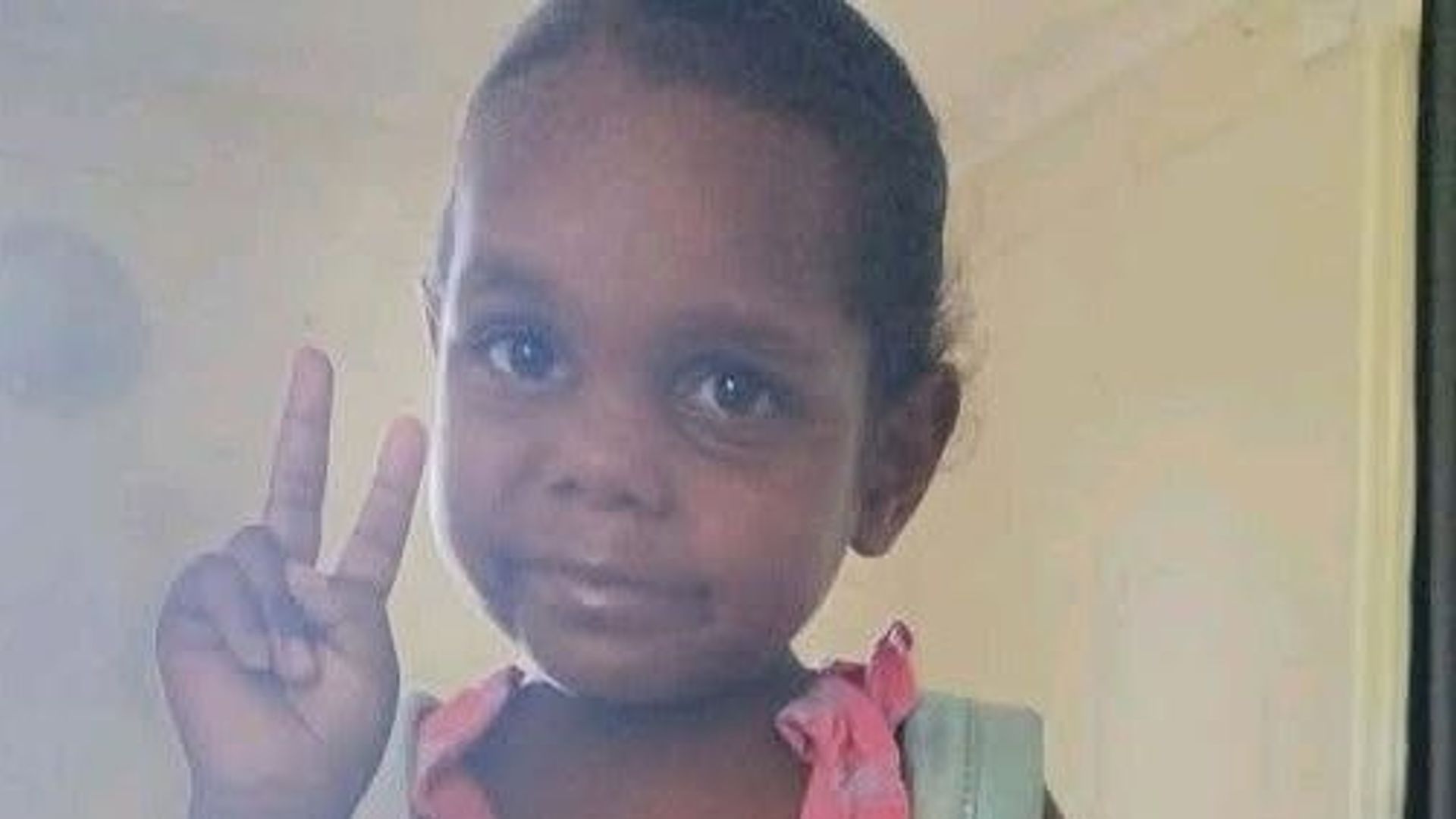
The tragedy at the center of this is a 5-year-old girl. Her name and her face are now symbols of a broken community. While the mob fought outside the hospital, her family was left to deal with a level of grief that most of us can't even fathom.
This is the irony of the riot. The chaos actually complicates the investigation. It diverts resources away from the crime scene and the forensic work. It makes it harder for the prosecution to ensure a fair trial later on. If a jury pool is tainted by the memory of a riot, the defense has a massive opening to move the trial or claim prejudice. The very people screaming for "justice" might be the ones who accidentally help the suspect get a lighter sentence or a mistrial.
The Structural Failure of Public Trust
This isn't just about one crime. It’s about a feeling that the "bad guys" get more rights than the victims. You hear it in the crowd. You see it in the comments sections. There is a deep-seated belief that the legal system is a game of technicalities.
When people feel the law won't protect them or punish the guilty, they take the law back. It’s a primal reaction. We’ve seen it throughout history, and we’re seeing it again now. The riot is a symptom of a much larger disease. It’s a total lack of faith in the institutions meant to keep us safe. To prevent this, we don't just need more police at hospitals. We need a system that actually feels like it delivers consequences.
Managing the Aftermath
Cleaning up the broken glass is the easy part. Fixing the community is much harder. The hospital has to return to business. Patients who had nothing to do with the crime were caught in the middle of a riot while trying to recover from surgeries or give birth.
Moving forward requires a few specific things. First, transparency from the police is non-negotiable. People need to know the suspect is in custody and that the evidence is solid. Second, there needs to be a dedicated space for community mourning that doesn't involve a brick in the hand. Without these outlets, the pressure just builds until the next tragedy occurs.
Check the local police blotters for updates on the trial dates. Follow the official statements from the District Attorney’s office rather than social media rumors. Support the family through verified funds if you want to help, but stay away from the active scenes. Violence in the name of a victim only creates more victims. Let the investigators do the work so the charges actually stick.



