Every two years, political analysts dust off the exact same playbook. They look at presidential approval ratings, check gas prices, and declare the midterm elections a simple referendum on the White House.
That playbook is broken.
The upcoming US midterm elections aren't a normal off-year cycle, and treating them like one misses the actual forces moving voters in swing districts across Pennsylvania, Michigan, Arizona, and Georgia. You have an aggressive executive branch led by Donald Trump reshaping federal agencies at breakneck speed, a volatile standoff with Iran threatening global energy markets, and an economy that looks great on a Wall Street spreadsheet while feeling miserable at the grocery store checkout line. Add in fierce battles over immigration enforcement and a bruising fight over healthcare and reproductive rights, and you get an electorate that refuses to fit into neat historical models.
I've spent years watching how campaign strategists misread voter sentiment until the exit polls slap them in the face. Usually, consultants obsess over national polling averages while ignoring the specific, localized anxieties that actually drive turnout in November. If you want to understand which party will control the House and Senate after the dust settles, you need to look past cable news shouting matches and examine the five issues actually deciding these races.
The Trump Factor and Executive Overreach
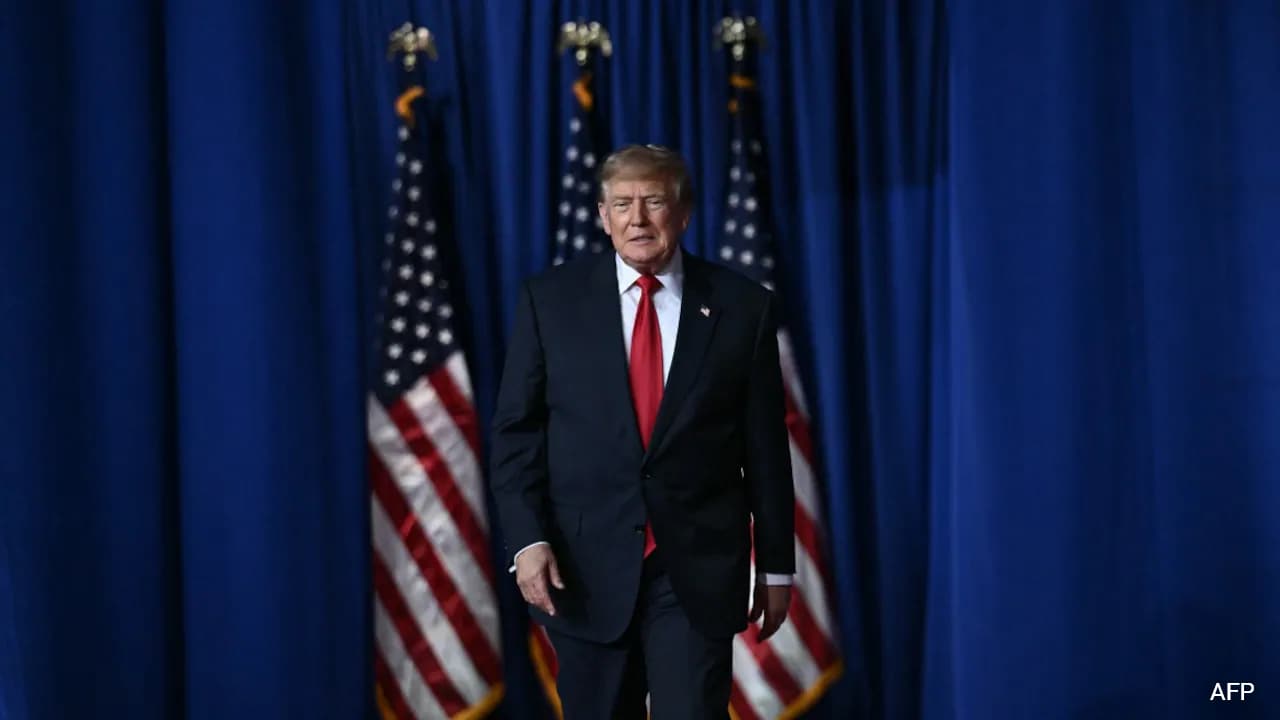
Midterm elections almost always punish the party holding the White House. Since World War II, the president's party has lost House seats in nearly every single midterm cycle, with rare exceptions like 1998 and 2002. Donald Trump's return to the Oval Office has supercharged this historical trend, turning every local House race into a proxy battle over executive power.
Here's what the pundits miss. It isn't just about whether voters like Trump's personality anymore. Everyone made up their minds on that years ago. The real friction in swing districts comes down to institutional disruption and economic nationalism.
Trump's sweeping use of executive orders, aggressive tariff proposals, and efforts to overhaul the federal civil service have created a massive enthusiasm gap. Democratic base voters are furious and organized, mirroring the energy we saw during the 2018 blue wave. Meanwhile, Republican candidates in moderate suburban districts face an impossible balancing act. If they distance themselves from the administration's more polarizing moves, they risk depressing turnout among the MAGA base that only shows up when Trump's brand is front and center. If they embrace every White House directive without question, they alienate the college-educated suburban independents who decide close races in places like Bucks County, Pennsylvania, or Oakland County, Michigan.
Look at how vulnerable House Republicans are already talking on the campaign trail. Notice how quickly they pivot away from administrative drama and back toward local infrastructure and tax cuts. They know the data. According to historical election analysis from the American Presidency Project, midterm turnout drops significantly among lower-propensity voters when the president isn't personally on the ballot, which puts immense pressure on GOP field operations to manufacture turnout without Trump's name at the top of the ticket.
Iran and the Hidden Domestic Cost of Foreign Conflict
Foreign policy rarely decides US midterm elections. Voters generally care way more about their mortgage rate than a diplomatic crisis six thousand miles away.
Iran is the massive exception to that rule.
When tensions flare in the Strait of Hormuz or proxy conflicts escalate across the Middle East, the fallout doesn't stay overseas. It hits American drivers right at the pump within days. Roughly twenty percent of the world's petroleum passes through the Strait of Hormuz, according to the U.S. Energy Information Administration. Any military confrontation, naval blockade, or retaliatory strike involving Tehran immediately injects a risk premium into global crude oil prices.
Voters don't read white papers on nuclear enrichment timelines or ballistic missile proliferation. They watch the digital sign at their neighborhood gas station jump forty cents a gallon in two weeks.
This creates a brutal political trap for the administration and its allies in Congress. A hardline "maximum pressure" campaign against Iran plays well with hawkish voters and traditional national security conservatives. Yet if that pressure triggers regional instability that spikes energy costs right before November, swing voters will blame the party in power for the sudden hit to their wallets. On the flip side, any perceived hesitation or diplomatic concession gets hammered by opponents as weakness on the world stage.
There's also a growing generational divide on military intervention that complicates messaging for both parties. Younger voters across the political spectrum—including a loud, influential wing of the populist right—are deeply skeptical of foreign entanglements. Candidates who sound too eager for another Middle Eastern conflict risk losing disillusioned independents who want federal tax dollars spent at home rather than on overseas deployments.
The Two-Speed Economy Nobody Explains Properly
If you listen to economists on television, they'll tell you about GDP growth, low unemployment rates, and cooling inflation metrics. Then you talk to a family of four in Ohio trying to buy ground beef, pay their auto insurance premium, and cover childcare, and they'll look at you like you're crazy.
This disconnect is the single biggest driver of voter anger right now. Economists measure the rate of change—meaning if inflation drops from nine percent to three percent, they declare victory because prices are rising more slowly. Normal human beings don't think in derivatives. They compare what a cart of groceries or a used Honda Civic cost four years ago to what it costs today, and they realize their paycheck simply doesn't stretch as far.
Economists call this price-level shock, and it leaves a long psychological scar on the electorate. Even when wage growth technically catches up to cumulative inflation, people view their raise as something they earned through hard work, while viewing higher prices at the supermarket as something stolen from them by bad policy.
Tariffs and Trade Wars Hit Home
Adding fuel to this fire is the fierce debate over broad tariffs. While tariffs are pitched on the stump as a way to protect American manufacturing and punish foreign competitors, importers pass a substantial chunk of those costs directly onto consumers. Studies from nonpartisan groups like the Tax Foundation have consistently shown that broad-based tariffs function largely as a regressive tax on domestic households, raising prices on everything from electronics to building materials.
In manufacturing-heavy Rust Belt states, this creates a fascinating political split. Union workers in steel or auto plants might welcome aggressive trade barriers to shield their jobs from cheap imports. At the exact same time, farmers in the rural parts of those very same states panic about retaliatory tariffs crushing their soybean and corn exports, while suburban consumers complain about higher retail prices. Candidates who rely on simplistic slogans about "fixing the economy" are getting shredded in town halls because voters understand these trade-offs far better than political consultants give them credit for.
Border Security Moving Beyond Border States
For decades, immigration was mostly a regional issue confined to states like Texas, Arizona, and California. That era is completely over.
The strain on municipal budgets, shelter systems, and local school districts in interior cities—from Chicago and Denver to New York—turned border policy into a top-tier kitchen table issue nationwide. Even as monthly border encounter numbers fluctuate depending on enforcement surges and seasonal shifts tracked by U.S. Customs and Border Protection, the political reverberations are locked in.
Republicans hold a massive polling advantage on border security, and they plan to hammer Democrats on past asylum policies from now until Election Day. It's their most reliable cudgel, especially with working-class Hispanic voters in South Texas, Nevada, and Florida who have shifted steadily rightward over the last several cycles.
But overreach cuts both ways here, too.
When federal enforcement shifts toward aggressive interior sweeps, workplace raids, and mass deportation logistics, the political optics change rapidly. Moderate suburban voters who strongly support securing the southern border often recoil when they see chaotic enforcement actions in their own communities or hear warnings from local business owners about sudden labor shortages in construction, hospitality, and agriculture. Watch how Democrats try to flip the script in swing districts. Instead of defending the status quo, smart Democratic challengers are attacking the chaos of mass deportation plans while pivoting back to bipartisan border enforcement bills that stalled in Congress.
Healthcare Costs and the Quiet Return of Reproductive Rights
Every election cycle, consultants declare that abortion and reproductive rights have peaked as a motivating issue. Every election cycle, they're proven wrong when ballots are actually counted.
Since the Supreme Court overturned Roe v. Wade, reproductive freedom has consistently outperformed generic Democratic polling averages, driving massive turnout in special elections and ballot measures even in deeply conservative states like Kansas and Ohio. Even when abortion isn't explicitly on the state ballot, concerns over federal restrictions on medication abortion, contraception access, and IVF protections keep suburban women engaged and angry.
Yet bundling this solely as a social issue misses half the picture. Healthcare affordability is quietly merging with reproductive rights into a massive pocketbook problem.
Millions of Americans face steep hikes in out-of-pocket medical expenses, deductibles, and prescription drug costs, alongside uncertainty over the future of enhanced Affordable Care Act subsidies. Data from KFF repeatedly shows that roughly half of US adults say it's difficult to afford healthcare costs, with medical debt remaining a leading cause of financial distress even among people who have employer-sponsored insurance.
When voters feel squeezed by grocery bills and gas prices, a sudden spike in their monthly health insurance premium or a hospital bill for a routine procedure becomes the breaking point. Democrats are aggressively tying Republican tax and spending proposals to potential cuts in Medicaid and ACA coverage, hoping to recreate the exact healthcare message that fueled their 2018 House takeover.
How to Read the Polls Without Getting Fooled
If you're trying to track where these five issues are actually moving the needle over the coming months, stop staring at national generic ballot polls. A national poll showing Democrats up by three points or Republicans up by two tells you almost nothing about who will control the House of Representatives, where fewer than thirty-five genuinely competitive districts decide the majority.
Instead, keep your eyes on three specific indicators that actually predict midterm outcomes:
- Special Election Overperformance: Look at the raw vote margins in state legislative and congressional special elections compared to how those exact districts voted in the 2024 presidential race. When one party consistently beats its baseline by five to eight points in low-turnout special elections, that enthusiasm gap almost always carries into November.
- Independent Voter Registration and Primary Turnout: Track the ratio of Republican to Democratic ballots cast in primary elections in battleground states like Pennsylvania, North Carolina, and Arizona. Primary turnout isn't a perfect crystal ball, but a massive surge in one party's primary participation signals organizational momentum that money can't buy.
- Regional Gasoline and Grocery Price Trends: Ignore national CPI reports and watch AAA regional gas averages in the Midwest and Sun Belt during September and October. Voters suffer from massive recency bias, meaning economic conditions in the six weeks before Election Day matter ten times more than what happened in the spring.
Skip the cable news panels arguing over meaningless daily polling fluctuations and track those local numbers in the thirty-five swing districts that actually decide control of Congress.


